
Life moves fast — rushed mornings, endless to-do lists, evenings that vanish into a screen. Slow living is the gentle rebellion against all that. It’s not about doing everything slowly or quitting your job to live on a farm; it’s about being more present and intentional with the life you already have. “Romanticizing your everyday life” is the same idea with a softer name: finding genuine pleasure in ordinary moments. Here’s what slow living really means and simple ways to bring it into a busy life.
Also Read



What Slow Living Actually Means
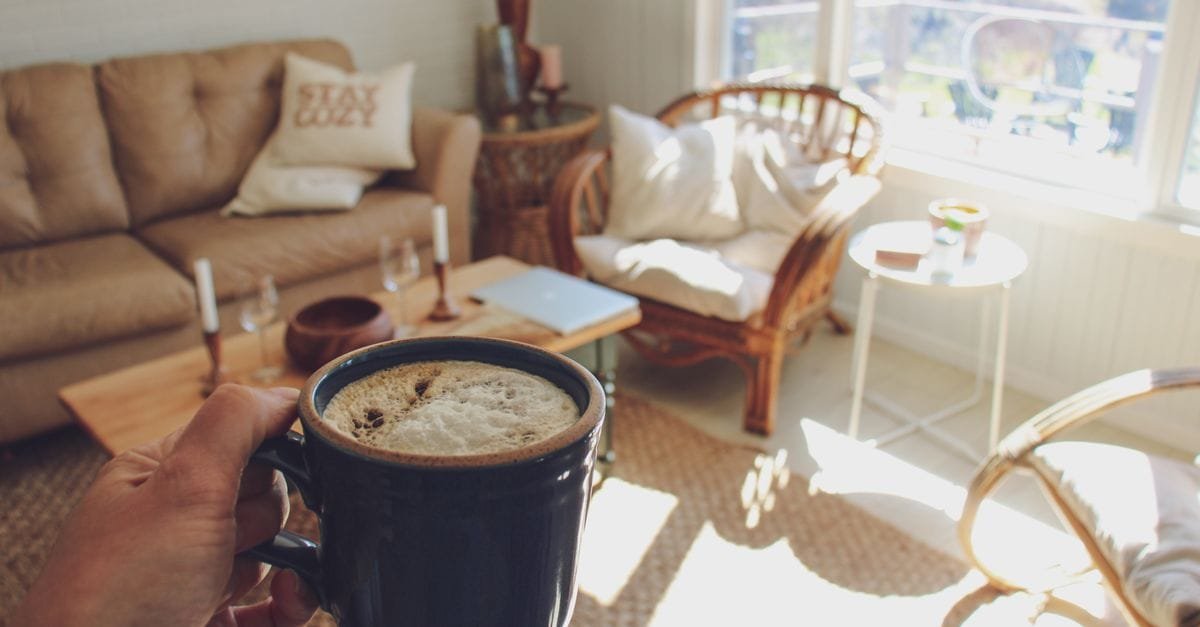
Slow living is a mindset of doing things with more intention and presence rather than constant hurry. It means savoring your coffee instead of gulping it, noticing the walk instead of rushing through it, and choosing depth over busyness. It’s not laziness or rejecting ambition — it’s refusing to let life become a blur of autopilot. The goal is to feel your life as you live it, instead of constantly racing to the next thing.
Why Slow Living Helps
Constant rushing keeps your nervous system in a low-grade stress state and makes days feel like they disappear. Slowing down, even a little, lowers that background stress, helps you feel calmer and more grounded, and makes ordinary days more satisfying. It also tends to improve your relationships and your enjoyment of small pleasures — the things that actually make up most of life. You’re not adding more to your day; you’re getting more from it.
How to “Romanticize” Your Everyday Life
Romanticizing your life simply means treating ordinary moments as worth savoring. A few ways to start:
- Make rituals out of routines — brew your morning drink with care, use the nice mug, sit by the window for five minutes.
- Engage your senses — notice the warmth of the cup, the light in the room, the taste of your food.
- Do one thing at a time — eat without your phone, walk without a podcast occasionally, fully be where you are.
- Add small beauty — fresh flowers, a candle, a tidy corner, music you love.
- Notice the good — pause to appreciate a moment instead of rushing past it.
None of this costs much or takes extra time — it’s about how you do what you’re already doing.
Simple Slow-Living Practices for Busy People
You don’t need a slower life to practice slow living — you need small pockets of presence within your real one:
- Start the day without immediately checking your phone
- Take a proper, screen-free break to eat lunch
- Build in a daily “slow” moment — tea, a short walk, a few quiet minutes
- Batch and simplify tasks so you’re not always reacting
- Say no to some things to protect time for what matters
- Have a gentle wind-down before bed instead of doom-scrolling
Even one or two of these, done consistently, shifts the whole feel of your days.
As an Amazon Associate, The Self-Care Edit earns from qualifying purchases.
Slow Living Isn’t About Perfection
One trap worth avoiding: turning slow living into another performance — the aesthetic mornings, the perfectly curated “cozy” photos. Real slow living isn’t a look; it’s a feeling of presence, and it’s available in a messy kitchen and a busy week just as much as in a magazine spread. Don’t pressure yourself to romanticize every moment. The point is gentleness, not another standard to live up to. Some days will be rushed, and that’s fine — you’re aiming for more presence, not perfection.
Start Small
You don’t overhaul your life to live more slowly — you start with one moment. Pick a single daily ritual to do with full presence this week: your morning coffee, a walk, the first ten minutes of the evening. Notice how it feels to actually be there for it. From that one anchor, slow living spreads naturally into more of your day. It’s less about slowing down time and more about showing up for the time you have.
Slow Living at Home
Home is where slow living often begins. It means creating a calm, uncluttered space that invites you to relax rather than rush — clearing excess stuff, making cozy corners for reading or tea, and letting your home support rest instead of constant busyness. Slow living at home also means doing everyday tasks with presence: cooking a meal mindfully rather than rushing it, actually savoring your coffee, tidying calmly instead of frantically. You don’t need a magazine-perfect home; you need one that feels peaceful to you. Small touches — soft lighting, plants, a tidy surface, a favorite blanket — turn your space into a sanctuary that naturally slows you down.

Slow Mornings and Evenings
How you start and end your day sets its tone. A slow morning — waking a little earlier, skipping the immediate phone grab, enjoying a quiet coffee or a few minutes of stillness — lets you begin grounded rather than already behind. A slow evening helps you wind down: dimming lights, stepping away from screens, reading, stretching, or reflecting before bed. These bookends don’t require lots of time, just intention. Even ten unhurried minutes at each end of the day can transform how the whole day feels, replacing the frantic rush with a sense of calm and control.
Slow Living at Work and in a Busy Life
Slow living isn’t only for quiet weekends — it can soften even a hectic schedule. At work, it might mean single-tasking instead of frantically juggling, taking real breaks, and resisting the urge to fill every moment. In a busy family life, it means protecting small pockets of calm, saying no to over-commitment, and being present for the moments that matter rather than rushing through them. You can’t always slow your circumstances, but you can change your pace within them. Slow living is less about having endless free time and more about bringing presence and intention to whatever you’re doing.
Slow Living on a Budget
A lovely thing about slow living is that it often costs nothing — in fact, it usually means consuming less. You don’t need expensive candles, retreats, or a minimalist makeover. Slow living is a walk in nature, a home-cooked meal, reading a library book, a cup of tea enjoyed without distraction, or simply pausing to notice a sunset. It’s about richness of experience, not spending. If anything, slowing down and buying less — resisting the constant pull to consume — tends to save money while bringing more genuine contentment.
Common Myths About Slow Living
Slow living is often misunderstood. It doesn’t mean being lazy or unproductive — it means being intentional, often getting more meaningful things done by not scattering your energy. It isn’t only for people with lots of free time or money; it’s a mindset anyone can apply to an ordinary, busy life. And it doesn’t mean doing everything at a snail’s pace — it means choosing where to slow down and being present, while still living your life. Letting go of these myths makes slow living feel accessible rather than like another unattainable ideal.
Slow Living and Mindful Consumption
A big part of slow living is stepping off the treadmill of constant consumption. Modern life pushes us to buy more, scroll more, and always want the next thing — which keeps us busy and dissatisfied. Slow living gently pushes back: buying less but better, appreciating what you already have, and resisting the impulse purchases and endless scrolling that fragment your attention. This isn’t about deprivation; it’s about freedom from the exhausting cycle of more. When you consume mindfully — whether it’s things, food, or media — you create space, save money, and find more contentment in less. Mindful consumption and slow living go hand in hand.
Starting Your Slow Living Journey
You don’t overhaul your life overnight — slow living is, fittingly, something you ease into slowly. Start with one small change: a slow morning, a single-tasking habit, a screen-free evening, or one mindful meal a day. Notice how it feels, then add another small shift when you’re ready. There’s no checklist to complete and no “right” way to do it; it’s a personal, evolving practice of bringing more presence and intention to your life. Be patient and kind with yourself — the whole point is to slow down, so there’s no rush to “get there.” Begin where you are, with what feels good.
What is slow living?
Slow living is an intentional approach to life that values quality over quantity and presence over hurry. It means doing fewer things, more mindfully, and savoring everyday moments rather than rushing through them.
It is not about being lazy or doing everything at a snail’s pace. Rather, it is about being deliberate with your time and attention, focusing on what truly matters to you.
Why embrace slow living?
In a fast, busy world, slow living offers an antidote to constant stress and burnout. Slowing down reduces overwhelm, increases enjoyment, and helps you feel more present and content.
Many people find that doing less, but with more attention, actually enriches their lives. Slow living is a gentle rebellion against hurry that supports both wellbeing and genuine happiness.
How do you start living more slowly?
Begin small by choosing one area to slow down, like unhurried meals, a screen-free morning, or single-tasking instead of multitasking. Small shifts gradually change your whole pace of life.
Notice where you rush unnecessarily and gently ease off. You do not need to overhaul your life at once; slow living grows naturally from a series of small, intentional choices.
How do you slow down your mornings?
Mornings set the tone for the day, so slowing them helps enormously. Waking a little earlier, avoiding your phone first thing, and savoring a calm breakfast or quiet moment ease you gently into the day.
Even ten unhurried minutes make a difference. A slow, intentional start leaves you feeling calmer and more grounded, rather than rushing out the door already stressed.
How does slow living reduce stress?
Constant hurry keeps your body and mind in a low-level state of stress. Slowing down interrupts that, giving your nervous system space to settle and your mind room to breathe.
By doing less and being more present, you reduce the overwhelm that fuels stress. Slow living replaces frantic busyness with a calmer, more sustainable rhythm that your whole system appreciates.
Can you live slowly in a busy life?
Yes, slow living is a mindset as much as a schedule. Even with a full life, you can bring slowness to individual moments, savoring your coffee, walking mindfully, or pausing to breathe between tasks.
It is about intention, not having endless free time. Small pockets of slowness woven into a busy day still bring real calm and presence, wherever your life allows them.
What are simple slow-living habits?
Easy slow-living habits include eating without screens, doing one thing at a time, spending time in nature, decluttering, and building in regular pauses. Each invites more presence into your day.
Choose a few that appeal to you and let them become natural. These gentle habits gradually shift your life toward a calmer, more intentional, and more satisfying pace.
How does slow living fit with technology?
Slow living does not mean rejecting technology, but using it more intentionally. Rather than constant scrolling and endless notifications, you choose when and how devices serve you, keeping them from dictating your pace.
Small boundaries like screen-free meals or mornings help enormously. Used mindfully, technology can support a slower life, but letting it run unchecked is one of the fastest ways to lose the calm that slow living offers.
Frequently Asked Questions
What is slow living?
A mindset of living with more intention and presence rather than constant hurry — savoring ordinary moments, doing one thing at a time, and choosing depth over busyness. It’s not about doing everything slowly or rejecting ambition.
What does it mean to “romanticize your life”?
Treating everyday moments as worth savoring — making rituals of routines, engaging your senses, and noticing small beauty — so ordinary days feel richer. It’s about how you do things, not doing more.
Can I practice slow living with a busy schedule?
Yes — slow living is about pockets of presence within a real life, not a slower life. Small practices like a phone-free morning, a proper lunch break, or a daily quiet moment work even when you’re busy.
Isn’t slow living just for people with lots of time and money?
No — its core practices (presence, savoring, doing one thing at a time) are free and fit any schedule. It’s a feeling of presence, available in an ordinary, busy life just as much as a leisurely one.
Key Takeaways
- Slow living means more intention and presence — not doing everything slowly or quitting your life.
- “Romanticizing your life” = savoring ordinary moments through rituals, senses, and small beauty.
- It lowers background stress and makes everyday days more satisfying — getting more from your day, not adding to it.
- Practical for busy people: a phone-free morning, a real lunch break, a daily slow moment.
- It’s about presence, not perfection — start with one daily ritual and let it spread.
Slow living invites you to actually feel your life instead of rushing through it — and you can start today, right where you are. Choose one ordinary moment to savor, and let presence do the rest. For more, read our guide to building a self-care routine and explore more Self-Care Routines.

I'm Khan Laila, the founder and editor of The Self-Care Edit. I'm a dedicated self-care enthusiast and researcher (not a medical professional) on a mission to make relaxation, better sleep, and everyday wellbeing simpler and more accessible. I write and curate every guide here with genuine care, honest product picks, and a firm belief that self-care should be realistic and guilt-free.