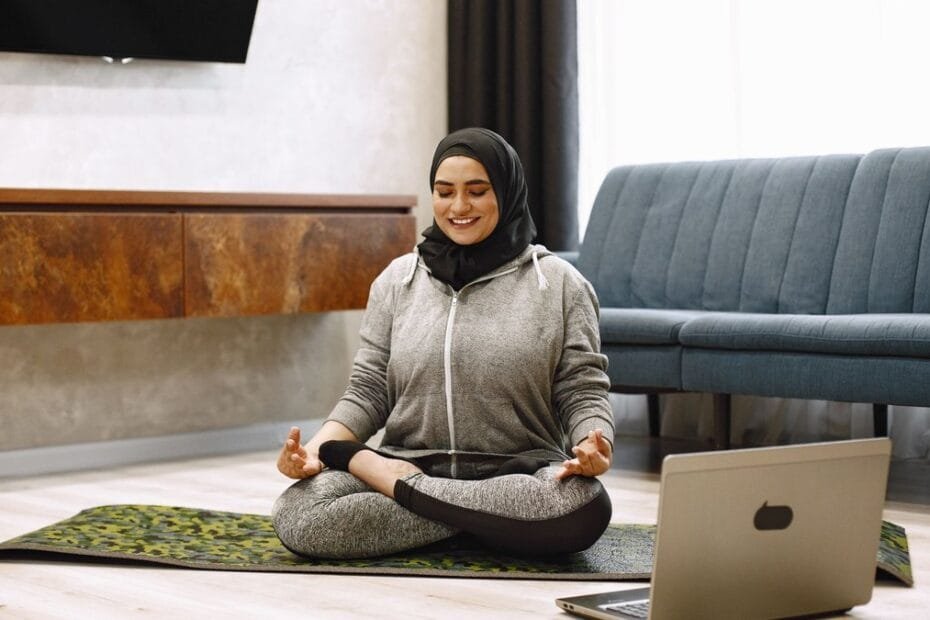
Want to learn meditation, manage stress better, or build real mental-wellness skills — from home, at your own pace? Online mindfulness and wellness courses make that possible, bringing expert guidance, structured programs, and guided practices to your screen whenever it suits you. Whether you’re a complete beginner or looking to deepen your practice, there’s a course for you. This guide covers the best types of online mindfulness and wellness courses, how to choose one, what to expect, and how to get the most from learning self-care and mindfulness online.
Also Read


Why Take a Wellness Course Online?
Online courses have transformed how we learn self-care and mindfulness. They’re convenient — you learn anytime, anywhere, fitting practice around a busy life — and far more affordable than in-person classes or retreats. You get structured guidance from experienced teachers instead of trying to figure it out alone, which keeps you motivated and on track. You can revisit lessons whenever you need, learn privately and at your own pace, and choose from an enormous range of topics and styles. For building a consistent mindfulness or wellness practice, a good online course offers structure and expertise that free, scattered content often can’t.

Types of Online Wellness Courses
Meditation Courses
Structured programs that teach meditation from the ground up — how to sit, focus, handle wandering thoughts, and build a daily practice. Great for beginners who want proper guidance rather than just an app’s loose sessions.
Mindfulness Courses
Broader than meditation, these teach mindfulness as a way of living — present-moment awareness, mindful breathing, and applying mindfulness to stress, work, and relationships. Many follow proven, structured approaches.
Stress & Anxiety Management Courses
Focused on practical tools to understand and reduce stress and anxiety — relaxation techniques, coping strategies, and mindset shifts. Helpful if a specific challenge is what’s driving you to learn.
Mental Wellness & Self-Care Programs
Holistic programs covering overall wellbeing — habits, emotional health, self-compassion, resilience, and balanced living. Often guided, step-by-step “journeys” toward a healthier mindset and routine.
Yoga & Mind-Body Courses
Combining movement with mindfulness, these support both physical and mental wellbeing — ideal if you like learning through the body as well as the mind.
Pair your learning with a great book or journal:
As an Amazon Associate, The Self-Care Edit earns from qualifying purchases.
Where to Find Online Wellness Courses
Wellness and mindfulness courses are available through several channels: dedicated meditation and mindfulness apps (which often include structured courses, not just sessions); large online learning platforms that host wide ranges of wellness courses from various teachers; specialized wellness websites and teachers offering their own programs; and even free resources on video platforms (great for sampling, though less structured). Apps suit those who want guided daily practice on their phone; course platforms suit those who want a deeper, structured program. Sampling a few helps you find the style and teacher that click for you.
How to Choose the Right Course
- Match it to your goal — beginner meditation, stress management, overall wellness, or a specific issue.
- Check the teacher’s credibility — experience, qualifications, and reviews.
- Read reviews — real feedback reveals whether a course delivers.
- Consider format & length — bite-sized daily sessions vs. longer structured modules; pick what fits your life.
- Check the level — beginner-friendly vs. advanced, so it suits where you are.
- Look at cost and any free trial — many let you sample before committing.
What to Expect From a Good Course
A quality online wellness course typically offers clear, well-paced lessons, guided practices (audio or video) you can follow along with, and a logical progression that builds your skills over time. Many include practical exercises, downloadable resources or journals, and a sense of structure that keeps you accountable. The best ones make you feel guided and supported rather than overwhelmed, and leave you with skills and habits you can keep using long after the course ends. You should come away not just having watched lessons, but having actually practiced and changed something in your daily life.
Getting the Most From an Online Course
Signing up is the easy part — benefiting requires showing up. Set a regular time to engage with the course, treat the practices as real appointments with yourself, and actually do the exercises rather than just watching. Start small and be consistent; a little practice daily beats occasional binges. Take notes or keep a journal alongside it to reinforce learning, and be patient — mindfulness and wellness skills build gradually. Apply what you learn to everyday life, not just during the lessons. The course gives you the map; consistent practice is what gets you there.

Courses vs. Apps vs. Books
Each format has strengths. Courses offer the most structure and guided progression — best for genuinely learning a skill. Apps excel at daily guided practice and habit-building, with sessions always in your pocket. Books are great for depth, understanding, and going at your own pace, and are very affordable. Many people combine them — a course to learn, an app for daily practice, and a book for deeper understanding. There’s no single best format; it depends on how you like to learn and what fits your routine.
Are Online Wellness Courses Worth It?
For many people, yes — a good course provides structure, expert guidance, and accountability that free, scattered content often lacks, and it’s far cheaper and more flexible than in-person classes. The value comes from actually engaging with it, though; the best course does nothing if you don’t show up. If you’re motivated to build a mindfulness or wellness practice and want proper guidance, a well-chosen course is a worthwhile, affordable investment in your wellbeing. Start with a free trial or a low-cost option to see if the format works for you.
A Gentle Note on Wellbeing
Online wellness and mindfulness courses are a wonderful way to build healthy habits and learn calming skills. They are educational and supportive tools, though — not a substitute for professional mental-health care. If you’re dealing with significant anxiety, depression, or distress, please reach out to a doctor or mental-health professional; a course can be a helpful complement to proper treatment, not a replacement. Choose courses from credible teachers, and be gentle and patient with yourself as you learn.
Free vs. Paid Wellness Courses
You will find both free and paid options, and each has a place. Free resources — video tutorials, intro app sessions, and sample lessons — are perfect for dipping a toe in, trying different styles, and learning the basics at no cost. Paid courses generally offer more structure, depth, expert guidance, and accountability, along with extras like resources and support. A smart approach is to start free to discover what you enjoy and which teachers resonate, then invest in a paid course once you are ready to go deeper. Many paid courses offer free trials too, so you can sample before committing. You don’t have to spend to begin — but paying often buys the structure that helps you actually follow through.
Staying Motivated Through a Course
Many people start a course enthusiastically and then drift — so plan for motivation. Set a realistic schedule, treat lessons as appointments, and celebrate small milestones as you progress. Keep your why in mind: the calmer, more balanced life you are working toward. Journaling about what you are learning, or sharing the journey with a friend, adds accountability. If you fall behind, don’t quit — just resume where you left off, since courses are usually self-paced. The goal isn’t to rush through; it is to genuinely absorb and apply the practices, building habits that outlast the course itself.

What is a mindfulness course?
A mindfulness course is a structured program that teaches you how to practice mindfulness and meditation, usually through guided lessons, exercises, and gradual skill-building. Many are available online, so you can learn at your own pace.
Courses range from short introductions to in-depth programs. They offer a guided, supported path into mindfulness, which many people find easier than trying to learn entirely on their own.
Who benefits from a mindfulness course?
Almost anyone can benefit, from complete beginners wanting a structured start to experienced practitioners looking to deepen their skills. Courses suit people who like guidance, structure, and a clear path to follow.
They are especially helpful if you have tried meditating alone and struggled to stay consistent. The structure and support of a course can make the practice click in a way self-teaching sometimes does not.
What do mindfulness courses typically cover?
Most courses introduce core practices like breath awareness, body scans, and mindful movement, along with how to bring mindfulness into daily life. Many also cover managing stress, difficult emotions, and building a lasting habit.
Longer programs go deeper into these areas over several weeks. This structured progression helps you build genuine skills step by step, rather than dabbling without direction.
Are online mindfulness courses effective?
For many people, yes. A well-designed online course offers quality teaching, flexibility, and the ability to revisit lessons, all from home. The convenience makes it easier to practice consistently.
Effectiveness depends on the course quality and, importantly, on your own regular practice. As with anything, you get out what you put in, so showing up consistently matters most.
How do you choose the right mindfulness course?
Consider your level, goals, and preferred style. Look for courses from reputable, experienced teachers, check reviews, and see whether the length and format suit your life and learning preferences.
Many offer previews or free introductory content, so you can sample the teaching style first. Choosing a course that genuinely appeals to you makes you far more likely to complete and benefit from it.
Are there free mindfulness courses?
Yes, there is plenty of free mindfulness content available, from apps with free tiers to introductory courses and countless guided meditations online. These are a great way to start without any cost.
Free options are perfect for testing whether mindfulness suits you. If you want more depth, structure, or personal guidance later, a paid course can be a worthwhile next step.
How do you get the most from a mindfulness course?
Commit to practicing regularly, even briefly, between lessons, as mindfulness is a skill built through repetition. Set aside a consistent time, be patient with yourself, and apply what you learn to everyday moments.
Approaching the course as a practice to live, not just information to absorb, is key. The real benefits come from actually doing the exercises, so consistency matters more than rushing through the material.
Can a mindfulness course replace therapy?
A mindfulness course is a wonderful tool for building calm, focus, and awareness, but it is not a substitute for therapy or professional mental-health care. It teaches skills for everyday wellbeing rather than treating specific conditions.
If you are dealing with persistent anxiety, depression, or other serious difficulties, please reach out to a qualified professional. Mindfulness can complement therapy beautifully, but it works best alongside proper care, not instead of it.
Frequently Asked Questions
Are online mindfulness courses good for beginners?
Yes — many are designed specifically for beginners, teaching meditation and mindfulness step by step with guided practices. A structured beginner course often works better than scattered free content because it gives you proper guidance and a clear path.
Where can I find online wellness courses?
Through meditation and mindfulness apps (which include structured courses), large online learning platforms hosting many teachers, specialized wellness sites and teachers, and free video resources for sampling. Apps suit daily guided practice; course platforms suit deeper structured learning.
How do I choose the right wellness course?
Match it to your goal, check the teacher’s credibility and reviews, consider the format and length that fit your life, confirm it suits your level, and look for a free trial. Sampling a couple helps you find the teacher and style that click for you.
Are online wellness courses worth the money?
For motivated learners, often yes — they offer structure, expert guidance, and accountability that free content lacks, at lower cost and more flexibly than in-person classes. The value depends on actually engaging with the course, so start with a trial or low-cost option.
Courses, apps, or books — which is best?
Each has strengths: courses give the most structure, apps excel at daily practice and habit-building, and books offer depth at low cost. Many people combine all three. The best choice depends on how you like to learn and what fits your routine.
Can an online course replace therapy?
No — wellness and mindfulness courses are educational, supportive tools, not a substitute for professional mental-health care. For significant anxiety, depression, or distress, see a professional; a course can complement proper treatment but shouldn’t replace it.
Key Takeaways
- Online wellness courses bring expert guidance, structure, and flexibility to learning mindfulness and self-care at home.
- Types include meditation, mindfulness, stress management, holistic wellness, and yoga/mind-body courses.
- Choose by matching your goal, checking the teacher and reviews, and picking a format and level that fit.
- Get the most from a course by practicing consistently and applying it to daily life — not just watching.
- Courses are a supportive tool; combine formats as you like, and seek professional help for serious struggles.
Online mindfulness and wellness courses put expert-guided self-care within everyone’s reach — affordable, flexible, and as deep as you want to go. Pick one that matches your goal and learning style, commit to showing up, and you’ll build skills and habits that genuinely improve your wellbeing. Explore more in our Meditation & Mindfulness guides.

I'm Khan Laila, the founder and editor of The Self-Care Edit. I'm a dedicated self-care enthusiast and researcher (not a medical professional) on a mission to make relaxation, better sleep, and everyday wellbeing simpler and more accessible. I write and curate every guide here with genuine care, honest product picks, and a firm belief that self-care should be realistic and guilt-free.