Also Read


You cannot improve what you do not notice. Mood and wellness trackers help you spot patterns in how you feel — so you can make small changes that add up to a calmer, happier you.
Whether you prefer a simple paper journal, a phone app, or a smart wearable, this guide covers the best ways to track your mood and wellbeing, plus how to actually use them for real self-care.
What are the best mood and wellness trackers?
The best mood tracker is the one you will actually use. Paper mood journals suit people who love writing; apps suit those who want reminders and charts; wearables suit anyone who wants to link mood to sleep and activity.
Many people combine a quick daily app check-in with a weekly journal reflection — the app captures data, the journal adds meaning.

Key takeaways
- Mood tracking reveals patterns you would otherwise miss.
- Paper, apps, and wearables each suit different people.
- Consistency beats complexity — a daily check-in is enough.
- Trackers work best when paired with real self-care action.
- They support wellbeing, but are not a diagnostic tool.
Why track your mood at all?
Because awareness is the first step to feeling better.
When you record how you feel each day, patterns emerge — maybe poor sleep drags your mood down, or certain people lift it. Once you see the pattern, you can act on it.
Tracking also builds self-awareness and a sense of progress, which is calming and motivating in itself.
How does mood tracking work?
It is simple: you record how you feel, regularly.
Most methods ask you to rate your mood and note a few details — sleep, activities, energy, or triggers. Over time, this data reveals what helps and what hurts.
The magic is in the review. Looking back over a week or month turns scattered days into clear, useful insight.

1. Paper mood journals
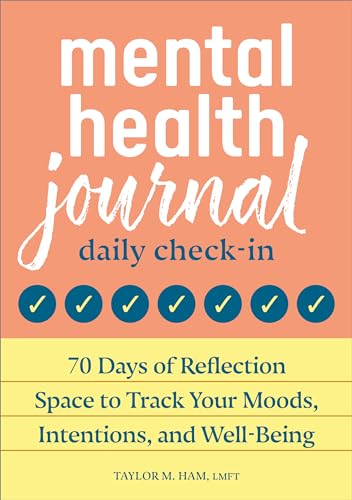
A dedicated mood journal is a beautiful, screen-free way to track how you feel.
Many come with prompts, mood scales, and space for reflection, making them ideal if you enjoy the calming ritual of writing by hand. There is something grounding about putting pen to paper.
If journaling appeals to you, our guide to journaling for stress relief pairs perfectly with a mood journal.
📓 Shop mood journals on Amazon →
2. Mood-tracking apps
Apps make tracking effortless and insightful.
They send gentle reminders, let you log your mood in seconds, and turn your entries into easy-to-read charts. Many also include breathing exercises, gratitude prompts, or guided meditations.
They are perfect if you always have your phone nearby and love seeing your progress visualized.
3. Habit and wellness planners
Wellness planners track your mood alongside your habits and goals.
By logging sleep, water, exercise, and mood together, you can see how your daily choices affect how you feel — a powerful nudge toward better habits.
Building better routines? Pair one with our guide on building better habits that actually stick.
🗓️ Shop wellness planners on Amazon →
4. Wearables and smart trackers
Wearables connect your mood to your body’s data.
Many fitness trackers and smartwatches now include mood check-ins, stress scores, and sleep tracking, so you can see how rest and activity shape your emotions automatically.
They suit data-lovers who want the fullest picture with the least manual effort.
⌚ Shop wellness wearables on Amazon →
How do you start tracking your mood?
Keep it ridiculously simple at first.
Choose one method and commit to a single daily check-in — the same time each day works best, like right after waking or before bed. Rate your mood and jot one line about why.
The video below shows creative, low-pressure ways to set up a mood tracker you will enjoy returning to.
What should you track besides mood?
A few extra data points make patterns much clearer.
Alongside your mood, note your sleep, activities, energy, and anything notable that happened. These details are what let you connect the dots later.
Do not overdo it, though — tracking five simple things consistently beats tracking twenty things you abandon in a week.

How do you use your tracking data?
Review it regularly and act on what you learn.
Once a week, look back over your entries. Ask what lifted your mood and what dragged it down, then do more of the good and less of the bad.
This simple review turns tracking from a chore into a genuine tool for a calmer, more intentional life.
Can mood tracking improve your mental health?
It can be a genuinely helpful support.
Tracking builds self-awareness, helps you catch low periods early, and gives you concrete information to act on or share with a professional. Many therapists actually recommend it.
That said, a tracker is a support tool, not a diagnosis — if your mood is consistently low, please talk to a professional.
How do you make mood tracking a habit?
Attach it to something you already do.
Link your check-in to an existing habit — morning coffee, brushing your teeth, or getting into bed. Keep the tool visible or set a reminder, and forgive yourself for missed days.
Consistency, not perfection, is what turns tracking into lasting insight.

Common mood-tracking mistakes to avoid
A few pitfalls trip people up.
Tracking too many things, being hard on yourself for “bad” moods, and never reviewing your data are the big ones. The point is gentle awareness, not judgment or perfect record-keeping.
Keep it kind, keep it simple, and let the insights come naturally over time.
You might also find Tools for Emotional Well-Being: Manage Your Feelings helpful.
Frequently Asked Questions
What is the best way to track your mood?
The best method is the one you will stick with. Paper journals suit people who enjoy writing, apps suit those who want reminders and charts, and wearables suit anyone who wants mood linked to sleep and activity automatically. Many people combine a quick daily app or journal check-in with a weekly review.
How often should you track your mood?
Once a day is ideal for most people — enough to reveal patterns without becoming a burden. Pick a consistent time, like morning or bedtime, and rate your mood plus one quick note about why. The key is regularity, so choose a frequency you can realistically maintain.
Do mood-tracking apps really help?
For many people, yes. They make tracking effortless, send helpful reminders, and turn your entries into clear charts that reveal patterns. Many also include extras like breathing exercises and gratitude prompts. They are a genuine support for self-awareness, though not a substitute for professional care.
Can mood tracking help with anxiety or low mood?
It can help by building awareness, spotting triggers, and catching low periods early — information you can act on or share with a therapist. However, tracking is a support tool, not a treatment. If you experience persistent anxiety or low mood, please reach out to a mental-health professional.
What should I write in a mood tracker?
Keep it simple: a mood rating (a number or emoji), plus a few notes on sleep, activities, energy, and anything notable that day. These details help you connect how you feel to what you did. Tracking a handful of things consistently is far more useful than tracking everything occasionally.
What is the difference between a mood tracker and a journal?
They overlap, but serve slightly different purposes. A mood tracker focuses on quickly recording how you feel, often with ratings or simple data you can review for patterns, while a journal is more open-ended, giving you space to explore why you feel that way.
Many people use both together: the tracker captures the data at a glance, and the journal adds the story and reflection behind it. You do not have to choose — they complement each other beautifully.
How long should you track your mood?
Give it at least a few weeks before judging the results. Patterns often take time to emerge, and a single day or two rarely tells you much. A month of consistent tracking usually reveals clear, useful trends.
After that, you can keep going as long as it feels helpful. Some people track indefinitely because they enjoy the awareness, while others check in during stressful periods and pause when life feels steady. Both approaches are perfectly fine.
Can you track your mood for free?
Yes, easily. You do not need any special product at all — a simple notebook, a notes app, or even a rating jotted in your calendar works perfectly well. The method matters far less than the consistency.
Many free apps also offer mood tracking with reminders and charts. Paid journals and premium apps add convenience and features, but a free approach can be just as effective if you use it regularly.
What patterns should you look for?
Look for connections between your mood and the rest of your life. Notice whether poor sleep, certain people, specific activities, or times of the month line up with dips or lifts in how you feel.
Once you spot a pattern, you have something actionable. If late nights consistently lower your mood, you know where to focus. This is where tracking turns from a record into a genuine tool for change.
How does mood tracking help with therapy?
Many therapists actively recommend it. A record of your moods gives you and a professional concrete information to work with, rather than relying on memory, which tends to be shaped by how you feel right now.
Bringing your tracking data to a session can reveal triggers and progress you might otherwise miss. It makes your time with a professional more focused and productive, turning vague impressions into clear patterns.
What is a wellness tracker, beyond mood?
A wellness tracker widens the lens to your overall wellbeing. Alongside mood, it might log sleep, water, exercise, meals, gratitude, or habits, giving you a fuller picture of what supports you.
Seeing these together is powerful, because your mood rarely exists in isolation. When you can watch how rest, movement, and daily choices shape how you feel, it becomes much easier to build a life that supports your calm.
How do you choose between an app and paper?
It comes down to your personality and habits. If you always have your phone and love charts and reminders, an app will suit you. If you find screens draining and enjoy the calm of writing by hand, paper is lovely.
There is no wrong answer, and you can even combine them. The best tool is simply the one you will reach for consistently, so choose whatever feels least like a chore.
Can mood tracking ever become unhealthy?
For most people it is helpful, but it is worth staying balanced. If tracking starts to feel like pressure, fuels harsh self-judgment, or makes you fixate on every dip, it may be doing more harm than good.
The goal is gentle awareness, not obsessive monitoring. Track with curiosity and kindness, take breaks when you need them, and remember that a “bad mood” day is simply information, never a failing.
What should you do on low-mood days?
Record them honestly, without judgment, and treat them as useful data rather than something to hide. Low days are a normal part of being human, and noticing them is the first step to caring for yourself through them.
Use what your tracking has taught you: lean on the activities, people, and habits that tend to lift you. And if low moods become frequent or heavy, let that be your cue to reach out for support.
How do you build a lasting mood-tracking habit?
Anchor it to something you already do every day, like your morning coffee or getting into bed, so it happens automatically. Keep your tool visible or set a gentle reminder, and forgive yourself for the days you miss.
Aim for progress, not a perfect streak. A tracker you use most days for months will teach you far more than one you abandon after a flawless first week. Kindness and consistency are what make it stick.
A simple weekly mood-review routine
Set aside a few quiet minutes once a week to look back over your entries. Ask yourself what lifted your mood, what weighed on it, and whether any patterns stand out across the days.
Then choose one small change for the week ahead based on what you noticed. This gentle weekly ritual is where the real value lives, turning scattered daily notes into steady, meaningful self-care.
Can mood tracking help you build better habits?
It can be a powerful nudge toward healthier routines. When you track your mood alongside habits like sleep, movement, or screen time, you start to see clearly which choices lift you and which drain you.
That awareness makes change feel less like willpower and more like common sense, because you have your own evidence in front of you. Many people find that simply seeing the connection between a good habit and a better mood is the motivation they needed to keep it up.
Final thoughts
Mood and wellness trackers are a small habit with a big payoff. By noticing how you feel and what shapes it, you gain the awareness to make real, lasting changes toward calm and contentment.
Pick a method that fits your life, start with one daily check-in, and review what you learn. To turn those insights into action, explore our complete guide to building a self-care routine for better sleep and less stress.

I'm Khan Laila, the founder and editor of The Self-Care Edit. I'm a dedicated self-care enthusiast and researcher (not a medical professional) on a mission to make relaxation, better sleep, and everyday wellbeing simpler and more accessible. I write and curate every guide here with genuine care, honest product picks, and a firm belief that self-care should be realistic and guilt-free.