
The way you talk to yourself shapes how you feel, and most of us run a quiet stream of criticism on autopilot. Positive affirmations are a simple tool to interrupt that pattern — short, intentional statements that gently steer your self-talk toward something kinder and more constructive. They’re not magic, and they’re not about pretending everything’s perfect. Used well, they’re a genuine, free self-care practice. Here’s how affirmations actually work and how to use them so they make a real difference.
Also Read



What Positive Affirmations Are (and Aren’t)
A positive affirmation is a short, present-tense statement you repeat to encourage a helpful mindset — for example, “I am capable of handling what today brings.” They work by giving your mind a deliberate, supportive message to focus on instead of the default anxious or critical chatter. What they are not is toxic positivity or denial. Good affirmations don’t pretend problems don’t exist; they help you face them with a steadier, kinder inner voice.
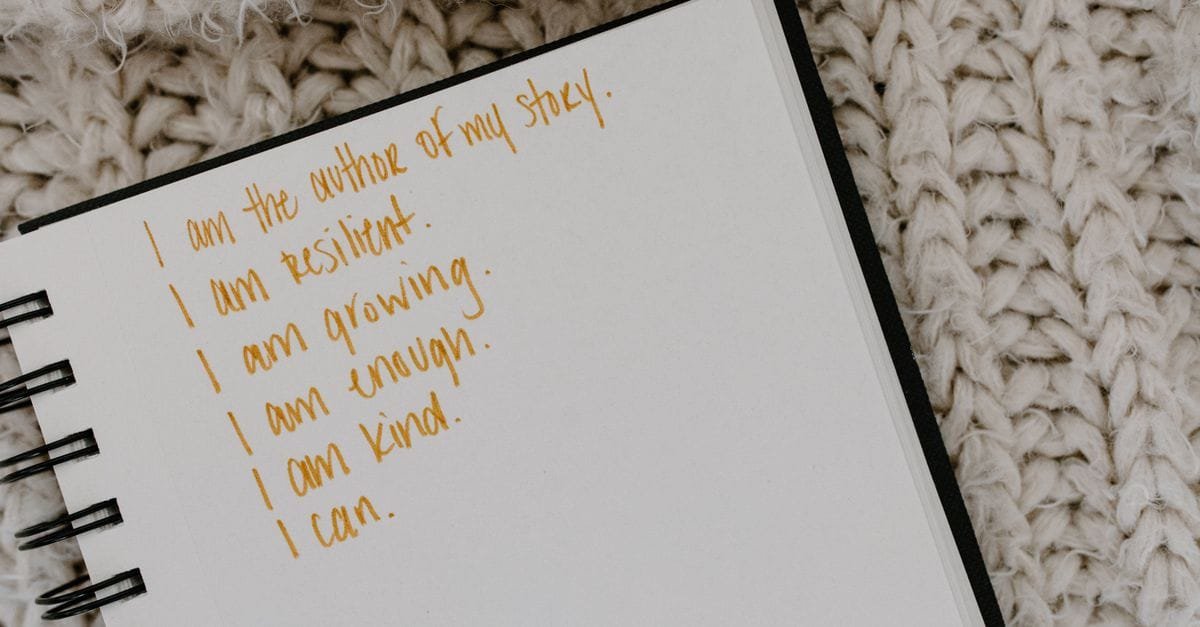
Do Affirmations Actually Work?
Here’s the honest answer: affirmations aren’t a quick fix or a substitute for real action, but they can genuinely help shift your mindset and self-talk over time. Repeating supportive statements makes them more familiar and believable, gradually crowding out harsh automatic thoughts. They work best as one small part of a broader self-care practice — alongside rest, movement, connection, and, when needed, professional support — not as a standalone cure. Think of them as gentle mental redirection, practiced consistently.
How to Make Affirmations Believable
The biggest reason affirmations fall flat is that they feel fake. If “I am wealthy and successful” makes you roll your eyes, your brain rejects it. The fix is to keep them believable and personal:
- Use affirmations you can almost believe, or that feel like a reach but not a lie.
- Try “I am learning to…” or “I am becoming…” or “I am capable of…” framing, which feels more honest than absolute claims.
- Make them present-tense and positive (“I am calm” rather than “I won’t panic”).
- Keep them short and specific to what you actually need.
An affirmation you can accept beats an impressive one you secretly dismiss.
Examples of Positive Affirmations
Use these as starting points, then adapt them to your own words and needs:
- For calm: “I am safe right now.” / “This feeling will pass.” / “I can handle this one step at a time.”
- For self-worth: “I am enough as I am.” / “I deserve care and rest.” / “My worth isn’t measured by my productivity.”
- For confidence: “I am capable of figuring this out.” / “I’ve handled hard things before.”
- For self-compassion: “I am allowed to make mistakes.” / “I’ll speak to myself like a friend.”
- For the morning: “Today I’ll do what I can, and that’s enough.” / “I choose how I respond.”
Pick a few that resonate — you don’t need dozens. Two or three you actually believe are far more powerful than a long list you recite emptily.
As an Amazon Associate, The Self-Care Edit earns from qualifying purchases.
How to Use Affirmations Daily
Consistency matters more than intensity. A few simple ways to build them in: say them in the morning to set your tone for the day; repeat one in the moment when you feel anxious or self-critical; write them in a journal (writing deepens the effect); say them aloud looking in the mirror if that feels right; or stick a note where you’ll see it. Pair them with a slow breath for a calming anchor. Pick one method that fits your life and do it regularly — a minute a day is enough.
Common Mistakes to Avoid
A few things stop affirmations working. Using statements you don’t believe at all creates internal resistance — keep them realistic. Reciting them mechanically without any feeling does little — slow down and mean them. Expecting them to fix everything instantly leads to disappointment — they’re a gentle, gradual practice. And using them to suppress real feelings (“I’m fine, I’m fine”) isn’t healthy — affirmations should support you in facing emotions, not bury them. Used honestly and consistently, they genuinely help.
A Gentle Note
Affirmations are a lovely everyday self-care tool, but they aren’t treatment for depression, anxiety disorders, or trauma. If you’re struggling with persistent low mood, anxiety, or difficult thoughts, please reach out to a qualified mental-health professional. Kind self-talk and professional support work beautifully together — one doesn’t replace the other.
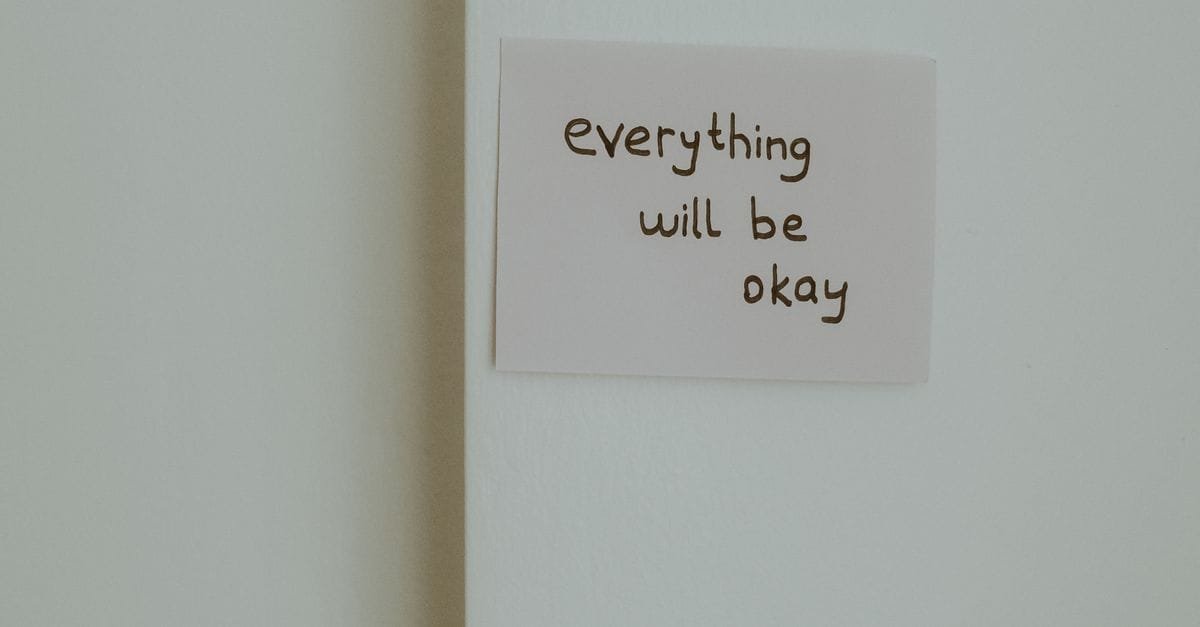
The Science Behind Affirmations
Affirmations aren’t just wishful thinking — there’s research suggesting they can genuinely help. Studies on self-affirmation indicate that reminding ourselves of our values and strengths can reduce stress, lower defensiveness, and improve our ability to handle challenges. Repeating positive, believable statements may gradually influence the way we think about ourselves, nudging us away from harsh automatic self-talk. The brain pays attention to what we repeat. While affirmations aren’t magic and work best alongside action, the evidence suggests that intentionally feeding your mind encouraging messages can, over time, meaningfully shift your mindset and resilience.
Affirmations for Different Areas of Life
You can tailor affirmations to whatever you’re working on. For confidence: “I am capable and prepared.” For anxiety: “I am safe, and this feeling will pass.” For self-love: “I am worthy exactly as I am.” For tough times: “I have gotten through hard things before, and I will again.” For motivation: “I can do hard things, one step at a time.” The key is choosing affirmations that speak to your specific struggles and goals, so they feel relevant and supportive. Personalized affirmations resonate far more deeply than generic ones, making them more likely to actually stick.
Pair Affirmations With Action
Affirmations work best as a companion to action, not a replacement for it. Telling yourself “I am healthy” while making no changes won’t do much — but pairing “I am becoming healthier every day” with small healthy choices reinforces both your mindset and your behavior. Think of affirmations as encouragement that supports the real work, building the self-belief that helps you follow through. When your words and your actions point in the same direction, they amplify each other. So speak kindly to yourself and take the small steps; together they create genuine, lasting change.
Write Your Own Affirmations
The most powerful affirmations are often the ones you write yourself, because they fit your life exactly. Keep them positive, present-tense, and believable: instead of “I am a millionaire,” try “I am building financial stability step by step.” Focus on what you want to move toward, phrase it as if it’s underway, and make sure it feels at least somewhat true so your mind doesn’t reject it. Writing your own affirmations turns them from borrowed slogans into personal, meaningful reminders — statements that genuinely reflect the person you’re working to become.
Affirmations for Anxious Moments
Affirmations can be a gentle anchor when anxiety strikes. In a stressful moment, a calm, repeated phrase can soothe your nervous system and interrupt spiraling thoughts: “I am safe right now.” “I can handle this.” “This feeling is uncomfortable, but it will pass.” Pair them with slow breathing for extra effect. The goal isn’t to force yourself to feel happy, but to offer steadiness and reassurance when your mind races. Keeping a few go-to calming affirmations ready — saved on your phone or memorized — gives you a simple, always-available tool for hard moments.
Make Affirmations Part of Your Routine
Affirmations work through repetition, so weaving them into your daily routine is key. Tie them to something you already do: say them while brushing your teeth, looking in the mirror, during your commute, or as part of a morning or bedtime ritual. Some people write them in a journal, stick notes on the mirror, or set them as phone reminders. Consistency matters more than intensity — a few moments each day beats an occasional long session. By anchoring affirmations to existing habits, you ensure they actually happen, letting their encouraging messages quietly reshape your self-talk over time.
Keep Your Expectations Realistic
Affirmations are a helpful tool, but they’re not a cure-all, so keep your expectations grounded. They won’t instantly transform your life or erase real struggles, and that’s okay — their power is gentle and cumulative, gradually softening harsh self-talk and building self-belief over time. Used consistently and paired with action, they genuinely support a healthier mindset. If you’re dealing with deeper anxiety or low self-worth, affirmations work best alongside other support, including professional help. Approach them as one kind, encouraging habit among many — not a magic fix — and you’ll get the most genuine benefit from them.

What are positive affirmations?
Positive affirmations are short, encouraging statements you repeat to yourself to challenge negative thoughts and reinforce a kinder, more positive mindset, such as “I am capable” or “I am doing my best.”
The idea is that repeating supportive phrases gradually shapes how you think and feel about yourself. They are a simple, free tool for building a more compassionate inner voice.
Do affirmations actually work?
Affirmations can help many people, particularly when they are believable and paired with action. They work best at gently shifting self-talk and reinforcing positive beliefs over time, rather than as instant magic.
They are not a cure-all, and wildly unrealistic affirmations can backfire. But used thoughtfully and consistently, they are a genuinely useful part of building a healthier mindset.
How do you write effective affirmations?
Effective affirmations are positive, present-tense, and believable. Phrase them as what you want to be true now, keep them realistic enough that part of you can accept them, and make them personal and meaningful.
For example, “I am learning to handle stress calmly” may work better than an absolute claim you cannot yet believe. Tailoring affirmations to your real life makes them far more powerful.
How do you use affirmations daily?
Consistency is key. You might say your affirmations in the morning, repeat them during stressful moments, write them in a journal, or place them where you will see them, like a mirror or phone.
Saying them with intention, rather than rushing, helps them sink in. Woven into your daily routine, affirmations gradually become a natural part of a more supportive inner dialogue.
What are examples of calming affirmations?
Soothing affirmations for stress might include “This feeling will pass,” “I am safe in this moment,” “I can handle what comes,” or “I am allowed to rest.” Simple, reassuring phrases work beautifully.
Choose ones that genuinely resonate with you and the situations you face. Personal, meaningful affirmations are far more effective than generic ones you do not connect with.
Why do affirmations sometimes feel fake?
If an affirmation feels untrue, your mind resists it, which can make it feel hollow or even counterproductive. This usually happens when the statement is too far from what you currently believe.
The fix is to make affirmations more believable, often by phrasing them as growth, like “I am learning to.” Meeting yourself where you are makes affirmations feel authentic rather than forced.
How do you make affirmations stick?
Pair affirmations with a daily habit, keep them visible, and repeat them consistently with genuine intention. Combining them with actions that support the belief makes them far more powerful.
Be patient, as changing self-talk takes time. With gentle, regular practice, supportive affirmations gradually reshape your inner voice into one that is kinder and more encouraging.
Can affirmations help with anxiety?
For many people, calming affirmations offer gentle support during anxious moments. Repeating reassuring phrases like “this feeling will pass” or “I am safe right now” can help steady a racing mind and interrupt spiraling worry.
They work best combined with other tools like slow breathing, and they are a support rather than a cure. If anxiety is persistent or overwhelming, affirmations are no substitute for professional help, which is always worth seeking.
Frequently Asked Questions
Do positive affirmations really work?
They can genuinely help shift your self-talk and mindset over time, especially as part of a broader self-care practice. They’re not a quick fix or a substitute for action or professional help, but consistent, believable affirmations gently crowd out harsh automatic thoughts.
How do I make affirmations that actually feel believable?
Keep them realistic and personal — use “I am learning to…” or “I am capable of…” framing rather than absolute claims you secretly reject. An affirmation you can accept is far more powerful than an impressive one you dismiss.
How often should I say affirmations?
Daily is ideal — in the morning, in anxious moments, or written in a journal. Consistency matters more than quantity; a minute a day with a few affirmations you believe is enough.
Can affirmations replace therapy?
No. They’re a helpful self-care tool, not treatment for depression, anxiety disorders, or trauma. If you’re struggling, please see a mental-health professional — affirmations complement support, not replace it.
Key Takeaways
- Affirmations are short, intentional statements that redirect harsh self-talk — not toxic positivity.
- They help gradually as part of broader self-care, not as an instant fix.
- Keep them believable and personal (“I am learning to…”) so your mind accepts them.
- Use a few daily — morning, anxious moments, or journaling — consistency over quantity.
- Avoid empty repetition or suppressing feelings; seek professional help for persistent struggles.
Your inner voice is with you all day — making it kinder is a small practice with a real payoff. Choose a few affirmations you can believe, use them consistently, and let them gently steady your self-talk. For more, read our guide to building a self-care routine and explore more Meditation & Mindfulness practices.

I'm Khan Laila, the founder and editor of The Self-Care Edit. I'm a dedicated self-care enthusiast and researcher (not a medical professional) on a mission to make relaxation, better sleep, and everyday wellbeing simpler and more accessible. I write and curate every guide here with genuine care, honest product picks, and a firm belief that self-care should be realistic and guilt-free.