
If you’ve ever felt your thoughts racing, your goals slipping, or your gratitude getting lost in a busy life, a journal might be the simplest, most powerful self-care tool you can pick up. Journaling — whether in a gratitude journal, a mindfulness journal, a wellness planner, or a guided workbook — helps you process emotions, reduce stress, stay focused, and grow. This complete guide covers the best self-care journals and planners, the different types and what each does, how to choose one, and how to actually build a journaling habit that sticks.
Also Read



Why Journaling Is Such Powerful Self-Care
Putting pen to paper does more than record your day. Journaling helps you untangle and process emotions, which can ease stress and anxiety; it builds self-awareness as you notice patterns in your thoughts and moods; and it creates a calming, reflective pause in a hectic life. Gratitude journaling in particular is widely associated with a more positive outlook, while planning and goal journals bring clarity and motivation. It’s free, private, requires no special skill, and you can do it in just a few minutes a day. For many people, journaling becomes a grounding daily ritual — a small act of self-care with an outsized effect on wellbeing.

The Types of Self-Care Journals
“Journal” covers a whole family of tools, each with a different focus. Understanding the types helps you pick the one that fits your goals.
Gratitude Journals
Designed around noting what you’re thankful for, gratitude journals shift your focus toward the positive. Often they have simple daily prompts (three things you’re grateful for), making them perfect for beginners and for cultivating a more optimistic mindset.
Mindfulness Journals
These encourage present-moment awareness and reflection, with prompts about how you feel, what you notice, and how to stay grounded. They pair beautifully with a meditation or mindfulness practice and help you slow down and check in with yourself.
Wellness Planners
Part planner, part journal, these help you organize your self-care, habits, health goals, and routines — tracking things like sleep, water, mood, exercise, and to-dos alongside reflection space. Ideal if you want structure and to actually follow through on healthy habits.
Guided Workbooks
Structured workbooks walk you through exercises and prompts on a theme — managing anxiety, building self-compassion, personal growth. Great if you prefer guidance and a clear path rather than a blank page.
Gratitude & Goal Planners
Hybrid tools that combine goal-setting, daily planning, and gratitude or reflection prompts — popular for people who want to be productive and mindful in one notebook.
Blank or Bullet Journals
A plain notebook you make your own — total flexibility for free writing, doodling, lists, and your own system. Perfect for those who find prompts restrictive and prefer to write freely.
As an Amazon Associate, The Self-Care Edit earns from qualifying purchases.
What to Look For in a Journal
- The right focus — match the type to your goal (gratitude, mindfulness, planning, a specific theme).
- Prompts vs. blank pages — choose guided prompts if you want direction, or blank pages if you prefer freedom.
- Quality & feel — nice paper and a cover you enjoy make you want to use it (it matters more than you’d think).
- Size & format — a portable size if you’ll journal on the go; a layout that suits daily, weekly, or undated use.
- Undated vs. dated — undated journals let you start anytime and skip days guilt-free.
How to Start a Journaling Habit
The hardest part is starting and sticking with it — so keep it simple. Begin with just a few minutes a day, and attach it to an existing routine (with morning coffee or before bed). Don’t aim for perfect or lengthy entries; even a few lines counts. Use prompts if a blank page feels intimidating. Keep your journal somewhere visible as a reminder, and be kind to yourself if you miss a day — just pick it back up. The goal isn’t a flawless diary; it’s a small, consistent moment of reflection. Over time, it becomes a habit you look forward to.
Simple Journaling Prompts to Get Started
If you’re not sure what to write, prompts help enormously. Try: “Three things I’m grateful for today,” “How am I feeling right now, and why?”, “One thing that went well today,” “What do I need more (or less) of in my life?”, “A small win from today,” or “What would make tomorrow a little better?” Gratitude and reflection prompts are the easiest entry point. You don’t need to answer profoundly — just honestly. Over time, you’ll find the prompts (or free writing) that resonate most with you.
Choosing a Journal for Your Goal
- Want more positivity? — a gratitude journal.
- Want to reduce stress and stay present? — a mindfulness journal.
- Want to build habits and organize self-care? — a wellness planner.
- Working on a specific issue (anxiety, self-esteem)? — a guided workbook on that theme.
- Want freedom to write your own way? — a blank or bullet journal.
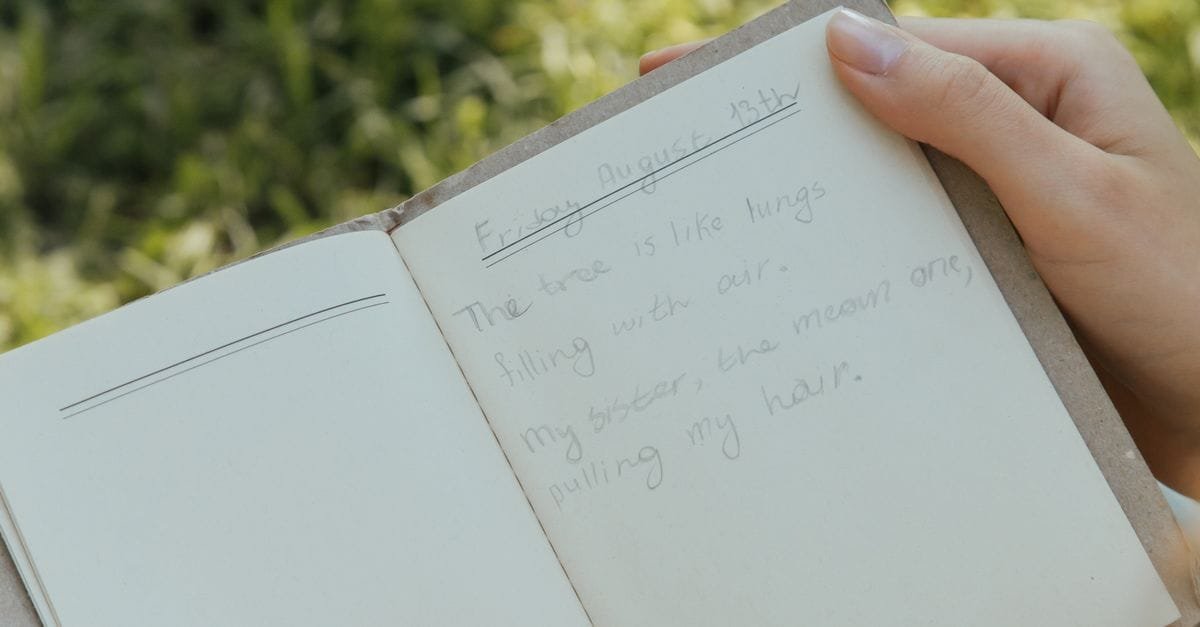
Paper vs. Digital Journals
Both work — it’s personal preference. Paper journals offer a screen-free, tactile, calming experience many people find more reflective and less distracting. Digital journals and apps are convenient, searchable, always with you on your phone, and often include reminders and prompts. Some people love the ritual of writing by hand; others prefer typing. You can even use both — a paper journal for reflection and an app for quick notes on the go. The best one is whichever you’ll actually use consistently.
Building the Habit That Lasts
Consistency beats intensity. To make journaling stick, journal at the same time each day, keep the bar low (a few lines is fine), and pair it with something pleasant (a cup of tea, a quiet moment). Don’t break the chain two days in a row, and don’t let perfectionism stop you — messy, short, honest entries are exactly the point. Track your streak if that motivates you, or keep it pressure-free if that suits you better. The habit grows naturally once you experience how good that small daily reflection feels.
Common Journaling Mistakes to Avoid
- Overcomplicating it — you don’t need long, perfect entries; a few honest lines work.
- Forcing a style that doesn’t fit — if prompts feel restrictive, write freely (or vice versa).
- Giving up after missing days — just restart; consistency over perfection.
- Buying a beautiful journal and never using it — the best journal is the one you actually open.
- Treating it as a chore — keep it enjoyable and pressure-free.
A Gentle Note on Wellbeing
Journaling is a wonderful self-care and stress-relief practice, and many people find it genuinely soothing and clarifying. That said, it’s a supportive tool, not a substitute for professional help. If you’re struggling with persistent anxiety, depression, or difficult emotions, please reach out to a doctor or mental-health professional — journaling can be a helpful companion alongside proper support, not a replacement for it. Be gentle with yourself, and use journaling in whatever way feels good for you.
Pairing Journaling With Other Self-Care Habits
Journaling works beautifully alongside other calming practices, amplifying the benefits of both. Try journaling after a few minutes of meditation or deep breathing, when your mind is already settled and reflective. Pair it with a warm cup of calming tea and a candle for a cozy wind-down ritual, or use it to close out a Sunday reset or evening routine. Some people journal right after a walk or yoga, capturing the calm. Stacking journaling onto an existing habit also makes it easier to remember and stick with. However you combine it, weaving journaling into your broader self-care turns it from an isolated task into a natural, nourishing part of your day.

What is a mindfulness journal?
A mindfulness journal is a notebook designed to help you reflect, stay present, and cultivate awareness and gratitude. It often includes prompts that guide you to notice your thoughts, feelings, and experiences.
Unlike a diary of events, it focuses on your inner world and the present moment. It is a gentle, structured tool for bringing more mindfulness and calm into your daily life.
How is it different from a regular journal?
A regular journal often records what happened during your day, while a mindfulness journal focuses on how you feel, what you notice, and what you appreciate, encouraging present-moment awareness and reflection.
Many mindfulness journals include prompts, gratitude sections, or space for intentions. This structure gently guides your writing toward calm and self-awareness rather than just recounting events.
What are the benefits of a mindfulness journal?
Mindfulness journaling can reduce stress, boost self-awareness, encourage gratitude, and help you process emotions. The simple act of pausing to reflect and write is calming and grounding in itself.
Over time, it helps you notice patterns and appreciate the good in your life. It is a low-effort, screen-free practice with a surprisingly powerful effect on wellbeing.
What should you write in a mindfulness journal?
You might write what you are grateful for, how you are feeling, what you noticed with your senses, an intention for the day, or a reflection on a moment. Prompts can guide you if you are unsure.
There is no wrong way to do it. The goal is gentle reflection and presence, so write whatever helps you feel more aware, calm, and connected to the moment.
What features make a good mindfulness journal?
A good mindfulness journal has a layout that suits you, whether guided prompts or open pages, along with quality paper and an inviting design. Gratitude sections and reflective prompts are especially helpful.
Prompts are wonderful for beginners unsure what to write. Choose a journal that feels pleasant to open, since the more you enjoy using it, the more consistent your practice will be.
How often should you use a mindfulness journal?
Daily use is lovely if it suits you, but even a few times a week brings real benefits. Consistency matters more than length, so a couple of mindful minutes regularly beats long entries now and then.
Choose a rhythm you can realistically keep. Attaching journaling to an existing habit, like your morning coffee or bedtime, makes it far easier to maintain over time.
How do you start a mindfulness journaling habit?
Keep it small and easy. Place your journal somewhere visible, start with a single prompt or a few lines, and attach it to a daily routine so it becomes automatic.
Let go of any pressure for it to be perfect or profound. Forgiving missed days and simply picking it back up is what turns mindfulness journaling into a lasting, genuinely calming ritual.
Frequently Asked Questions
What is the best type of journal for self-care?
It depends on your goal: gratitude journals for positivity, mindfulness journals for presence and stress relief, wellness planners for organizing habits and self-care, and guided workbooks for working on a specific theme. Beginners often find gratitude or guided journals the easiest start.
How do I start journaling if I don’t know what to write?
Use simple prompts — like three things you’re grateful for, how you’re feeling, or one good thing from today. Keep it to a few minutes and a few lines. Guided journals with built-in prompts make starting much easier than a blank page.
Is it better to journal in the morning or at night?
Whichever you’ll stick with. Morning journaling can set intentions and a positive tone; night journaling helps you reflect and unwind before sleep. Attach it to an existing routine (coffee or bedtime) so it becomes a consistent habit.
Are digital journals as good as paper ones?
Both work — it’s preference. Paper offers a calming, screen-free, tactile experience; digital is convenient, searchable, and always on your phone with reminders. The best journal is the one you’ll actually use consistently, so choose the format you enjoy.
How often should I journal?
Even a few minutes most days brings benefits — consistency matters more than length. Daily is ideal for building the habit, but don’t stress about missing days; just pick it back up. Short, regular entries beat occasional long ones.
Do journals really help with stress and anxiety?
Many people find journaling genuinely helps process emotions, reduce stress, and gain clarity, and gratitude journaling is linked to a more positive outlook. It’s a supportive tool, though — for persistent anxiety or depression, combine it with professional help.
Key Takeaways
- Journaling is a simple, powerful self-care habit that eases stress, builds awareness, and boosts positivity.
- Types include gratitude journals, mindfulness journals, wellness planners, guided workbooks, and blank journals — match the type to your goal.
- Choose based on focus, prompts vs. blank pages, and a format and feel you’ll enjoy.
- Start small, use prompts, attach it to a routine, and prioritize consistency over perfection.
- It’s a supportive practice — pair it with professional help for persistent mental-health struggles.
A journal is one of the most affordable, accessible, and genuinely effective self-care tools out there — a few quiet minutes with pen and paper can steady your mind and lift your mood. Pick the type that fits your goal, keep it simple, and let it become a small daily ritual you look forward to. Explore more in our Meditation & Mindfulness guides.

I'm Khan Laila, the founder and editor of The Self-Care Edit. I'm a dedicated self-care enthusiast and researcher (not a medical professional) on a mission to make relaxation, better sleep, and everyday wellbeing simpler and more accessible. I write and curate every guide here with genuine care, honest product picks, and a firm belief that self-care should be realistic and guilt-free.