Affiliate Disclosure: The Self-Care Edit is a participant in the Amazon Associates program. I earn a small commission on qualifying purchases at no extra cost to you. I only recommend products I genuinely believe in.
Also Read



My first yoga mat was a thin, slippery freebie that bunched up under my hands every time I tried to hold a downward dog, until I was more focused on not faceplanting than on my breath. I genuinely believed I was “bad at yoga.” Then I borrowed a friend’s proper grippy mat, and suddenly I could actually stay in the poses — and the whole practice transformed from frustrating to grounding. The mat, it turned out, mattered far more than I’d realized.
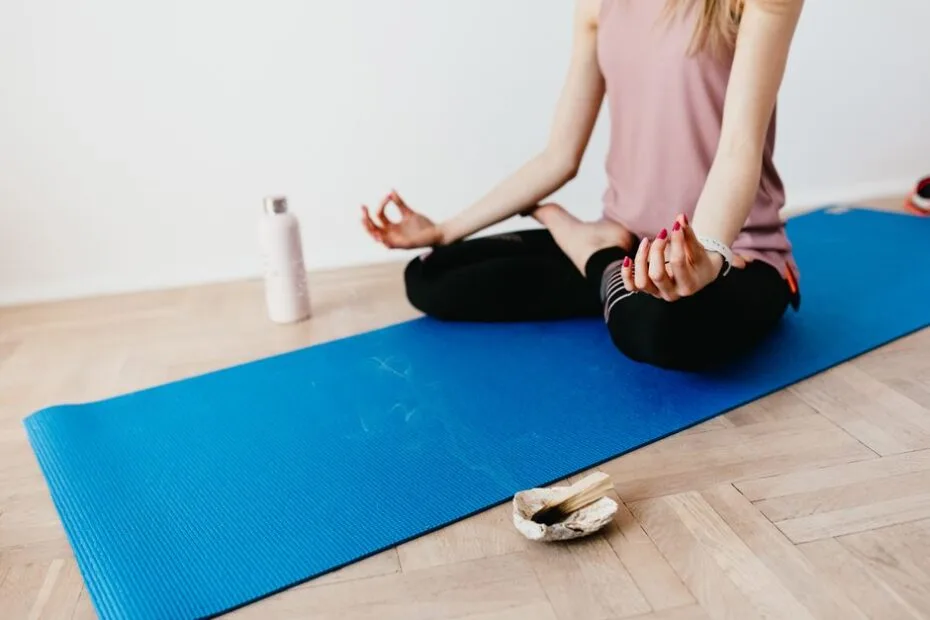
A good yoga mat is the foundation of a calm, steady practice — enough grip to keep you secure, enough cushion to protect your joints, and a surface you actually look forward to rolling out. Whether you’re flowing through vinyasa, settling into restorative poses, or just stretching to unwind, here are the 8 best yoga mats for 2026.
A gentle note: Movement is wonderful self-care, but listen to your body and move within your comfort. If you’re new to exercise, pregnant, or have an injury or health condition, it’s worth checking with your doctor before starting a new practice — and consider a beginner-friendly class or instructor to learn safe alignment.
How to Choose a Yoga Mat
Thickness
- Thin (2–3mm): Great stability and connection to the floor for balance poses; very portable. Less joint cushioning.
- Standard (4–5mm): The versatile sweet spot — good balance of cushion and stability for most practices.
- Thick (6mm+): Extra cushioning for sensitive knees, joints, and restorative or floor work. Less stable for balancing.
Grip
The single most important feature, especially if you sweat or do flow/hot yoga. Look for a textured or polyurethane top surface that grips even when damp — a slippery mat is genuinely frustrating (and unsafe). Natural rubber and polyurethane-topped mats tend to offer the best grip.
Material
- PVC: Durable, grippy, affordable, long-lasting — but not biodegradable.
- Natural rubber: Excellent grip and eco-friendly; has a natural smell at first and a bit more weight.
- TPE: Lightweight, recyclable, cushioned — a nice eco-leaning middle ground.
- Cork & jute: Sustainable, naturally grippy (more so when damp), with a lovely earthy feel.
Size, Weight & Eco
Standard mats are about 68″ long; taller folks may want 72–84″ options. Consider weight if you’ll carry it to class (travel mats are thin and light). And if sustainability matters, look for natural rubber, cork, or certified non-toxic, PVC-free materials.
The 8 Best Yoga Mats for 2026
1. Manduka PRO Yoga Mat — Best Overall
The Manduka PRO is the mat serious practitioners swear by, and it’s the one I’d point most people to if they want a mat for life. It’s exceptionally dense and supportive (6mm) so it cushions joints beautifully without feeling squishy, the closed-cell surface wipes clean easily, and it’s famously durable — backed by a lifetime guarantee. New mats need a short “break-in” for full grip (a quick salt scrub helps), but once there, it’s superb. An investment that genuinely lasts decades. The gold standard.
- 🌿 Dense 6mm cushion — supportive without being squishy
- 🌿 Extremely durable; lifetime guarantee
- 🌿 Closed-cell surface wipes clean easily
- 🤍 Needs breaking in for full grip; heavy and premium-priced
Best for: A supportive, buy-it-for-life mat.
2. Liforme Yoga Mat — Best for Alignment
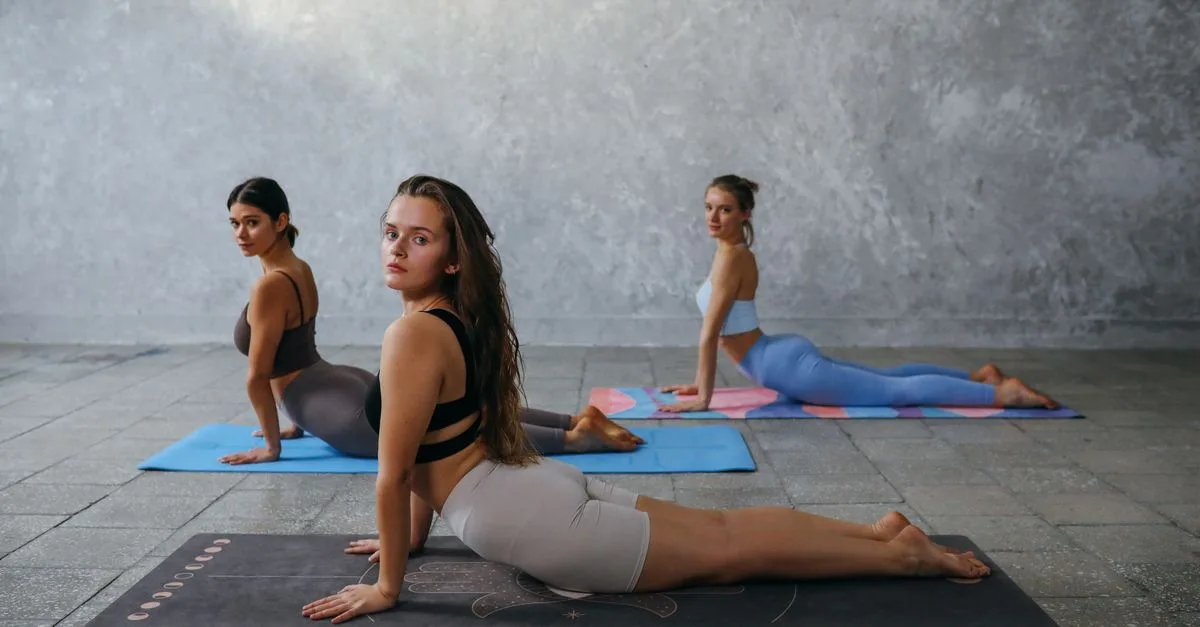
The Liforme is a favorite for a clever reason: subtle alignment markers etched into the surface help you place your hands and feet correctly, which is brilliant for building good form and confidence. Beyond that, the grip is genuinely exceptional — it stays secure even when you’re sweating — and the natural-rubber, eco-friendly construction feels lovely. It’s a premium mat, but the combination of best-in-class grip and the alignment guide makes it especially good for improvers and anyone who practices alone at home.
- 🌿 Etched alignment markers guide your form
- 🌿 Exceptional grip, even when sweaty
- 🌿 Eco-friendly natural rubber, lovely feel
- 🤍 Premium price; heavier than travel mats
Best for: Building alignment and home practitioners.
3. Gaiam Premium Print Yoga Mat — Best Budget
Gaiam’s printed mats are the best-selling budget yoga mats for good reason — they’re affordable, come in dozens of beautiful prints, and do the job reliably for beginners and casual practitioners. The 5–6mm cushioning is comfortable, they’re lightweight, and the textured surface offers decent grip for gentle and general practice. They’re not as grippy under heavy sweat as premium mats, but for someone starting out, practicing gently, or wanting a pretty mat without spending much, the value is excellent.
- 🌿 Affordable with dozens of beautiful prints
- 🌿 Comfortable 5–6mm cushioning, lightweight
- 🌿 Great for beginners and gentle practice
- 🤍 Grip isn’t ideal for sweaty or hot yoga
Best for: Beginners and budget shoppers.
4. Lululemon The Mat 5mm — Best Grip
Lululemon’s The Mat is renowned for its grip — the polyurethane top layer absorbs moisture and grips beautifully even in sweaty, fast flows, making it a favorite for vinyasa and hot yoga. It’s reversible (a natural-rubber base for drier practice on the flip side), well-cushioned at 5mm, and has an antimicrobial additive to help with odor. It’s a premium mat, but if a slippery surface has ever ruined your flow, the confidence this grip gives is worth it. Beautifully made and dependable.
- 🌿 Outstanding grip, even when sweaty (great for hot yoga)
- 🌿 Reversible — grippy PU side + natural rubber side
- 🌿 Antimicrobial additive helps with odor
- 🤍 The grippy surface can absorb oils — needs regular cleaning
Best for: Sweaty flows, vinyasa, and hot yoga.
5. JadeYoga Harmony Mat — Best Natural & Eco
JadeYoga’s Harmony mat is a beloved natural-rubber mat that combines excellent grip with strong eco credentials — it’s made from sustainably sourced natural rubber, and the company plants a tree for every mat sold. The open-cell natural rubber grips wonderfully (improving as you warm up), the cushioning is comfortable, and it has a lovely, grounded feel underfoot. It has a natural rubber scent at first that fades, and it’s not for those with latex allergies, but for an eco-conscious, grippy everyday mat, it’s a gem.
- 🌿 Sustainable natural rubber; a tree planted per mat
- 🌿 Excellent natural grip, comfortable cushion
- 🌿 Grounded, lovely feel underfoot
- 🤍 Natural rubber scent at first; not for latex allergies
Best for: Eco-conscious practitioners wanting great grip.
6. BalanceFrom GoYoga All-Purpose Mat — Best Ultra-Budget & Thick
If you want extra cushioning for sensitive joints without spending much, the BalanceFrom GoYoga is a fantastic value — a thick (often 1/2-inch) mat that’s gentle on knees, wrists, and elbows, making it great for restorative yoga, Pilates, stretching, and floor work. It usually comes with a carrying strap, and the double-sided non-slip surface offers reasonable grip for gentle practice. It’s not the mat for advanced balance work (thick mats are less stable), but for comfort-focused, gentle movement on a budget, it’s hard to beat.
- 🌿 Thick cushioning — gentle on knees and joints
- 🌿 Great for restorative yoga, Pilates, and stretching
- 🌿 Very affordable; usually includes a strap
- 🤍 Too thick/soft for stable balance poses
Best for: Sensitive joints, gentle/restorative practice, tight budgets.
7. Manduka eKO Superlite Travel Mat — Best for Travel
The Manduka eKO Superlite is the mat I tuck into my suitcase so my practice can come with me. It’s a thin (about 1.5mm), feather-light natural-rubber travel mat that folds down small and weighs almost nothing, yet still offers Manduka’s quality and grip. You’d use it over a hotel-room carpet or on top of a studio mat for grip, rather than as your everyday cushioned mat. But for keeping a calm, grounding practice while away from home, it’s a brilliant, packable companion.
- 🌿 Ultra-thin and feather-light — folds down small
- 🌿 Natural rubber with reliable grip
- 🌿 Perfect travel companion
- 🤍 Minimal cushioning — best over a surface or studio mat
Best for: Travelers who want to keep practicing.
8. Yoga Design Lab Combo Mat — Best Design & Hot Yoga
Yoga Design Lab’s Combo Mat pairs a natural-rubber base with a microfiber towel-top printed in genuinely beautiful designs — and that towel surface gets grippier as you sweat, making it excellent for hot yoga and sweaty flows (no separate yoga towel needed). The prints are stunning, it’s made from eco-friendly, recycled, and natural materials, and it doubles as its own towel. If you want a mat that’s as beautiful as it is functional for hot practice, this is a joy to roll out.
- 🌿 Towel-top grips better as you sweat (great for hot yoga)
- 🌿 Beautiful printed designs; doubles as its own towel
- 🌿 Eco-friendly recycled and natural materials
- 🤍 Towel surface needs washing; less grip when totally dry
Best for: Hot yoga, sweaty flows, and design lovers.
My Quick Picks, Honestly
- If you buy just one: Manduka PRO — supportive and lasts a lifetime.
- If you’re on a budget: Gaiam Premium or BalanceFrom GoYoga.
- For grip / sweaty flows: Lululemon The Mat or Yoga Design Lab Combo.
- For alignment help: Liforme.
- For eco-friendly: JadeYoga Harmony.
How to Care for Your Yoga Mat
- Wipe it down after practice. A quick wipe with a damp cloth (and a gentle mat spray) removes sweat and oils that degrade grip over time.
- Deep clean occasionally. Wash with mild soap and water as the maker recommends; avoid harsh chemicals, especially on natural rubber.
- Air-dry flat or hung. Let it dry completely before rolling up to prevent odor and mildew. Keep natural rubber out of direct sunlight.
- Roll it the right way. Many mats are best rolled with the top surface facing out (or as the brand advises) so it lies flat next time.
- Break in a new mat. Some premium mats (like the Manduka PRO) grip better after a break-in period — a gentle salt scrub can speed it up.
How do you care for and clean your yoga mat?
A little maintenance keeps your mat fresh and long-lasting. Wipe it down after use with a gentle cleaner or a diluted mix of water and mild soap, and let it air-dry fully before rolling it up to prevent odor.
Avoid harsh chemicals, which can degrade the material, and give it a deeper clean every so often. A clean, well-cared-for mat is more pleasant to practice on and supports a more inviting, consistent yoga habit.
Frequently Asked Questions
What thickness of yoga mat is best?
For most people, a standard 4–5mm mat is the sweet spot — enough cushion to protect your joints while keeping you stable for balance poses. Go thinner (2–3mm) if you prioritize stability and portability, or thicker (6mm+) if you have sensitive knees or do lots of restorative and floor work. Just remember that very thick mats feel cushier but make balancing poses harder, so match the thickness to your main style of practice.
Why does my yoga mat get slippery?
Usually it’s sweat, oils, or a brand-new surface that hasn’t been broken in. Premium mats like the Manduka PRO need a short break-in period (a gentle salt scrub helps), while sweaty practice calls for a grippy polyurethane or towel-top mat (like Lululemon The Mat or Yoga Design Lab). Regular cleaning to remove oil buildup also restores grip. If a budget PVC mat stays slippery, a yoga towel laid on top is a quick, affordable fix.
What’s the best eco-friendly yoga mat material?
Natural rubber, cork, jute, and TPE are the most eco-friendly options, offering good grip without the PVC. Natural rubber mats (like JadeYoga or Liforme) grip beautifully and are biodegradable, though they’re heavier and not suitable for latex allergies. Cork is naturally antimicrobial and grippier when damp. TPE is a lighter, recyclable middle ground. Look for PVC-free, certified non-toxic materials if sustainability is a priority for you.
How long do yoga mats last?
It varies widely by quality and use. A budget PVC or TPE mat might last one to a few years before the grip and cushioning wear down, while a premium mat like the Manduka PRO can last a decade or more (it’s backed by a lifetime guarantee). Caring for your mat — wiping it down, cleaning it gently, and drying it properly — significantly extends its life. If your mat is flaking, thinning, or permanently slippery, it’s time to replace it.
Do I need an expensive yoga mat as a beginner?
Not at all. A budget mat like the Gaiam Premium or BalanceFrom GoYoga is perfectly good for learning and gentle practice, and a great way to find out how much you’ll use it before investing more. As your practice deepens — especially if you get into sweaty flows or practice often — you may find a premium mat with better grip and durability genuinely improves the experience. Start affordable, and upgrade when (and if) you feel ready.
The Bottom Line
The right yoga mat turns a frustrating, slippery practice into a steady, grounding one — and 2026 has wonderful options for every style and budget. If you only buy one, the Manduka PRO is the supportive, buy-it-for-life choice. On a budget, Gaiam Premium and BalanceFrom GoYoga are great starting points, sweaty practitioners will love the grip of Lululemon The Mat, and improvers benefit from Liforme’s alignment guides.
Pair your practice with other ways to release tension — see my guides to the best foam rollers and the best acupressure mats for unwinding tight muscles.
— Laila
Shop the Best Yoga Mats on Amazon →

I'm Khan Laila, the founder and editor of The Self-Care Edit. I'm a dedicated self-care enthusiast and researcher (not a medical professional) on a mission to make relaxation, better sleep, and everyday wellbeing simpler and more accessible. I write and curate every guide here with genuine care, honest product picks, and a firm belief that self-care should be realistic and guilt-free.