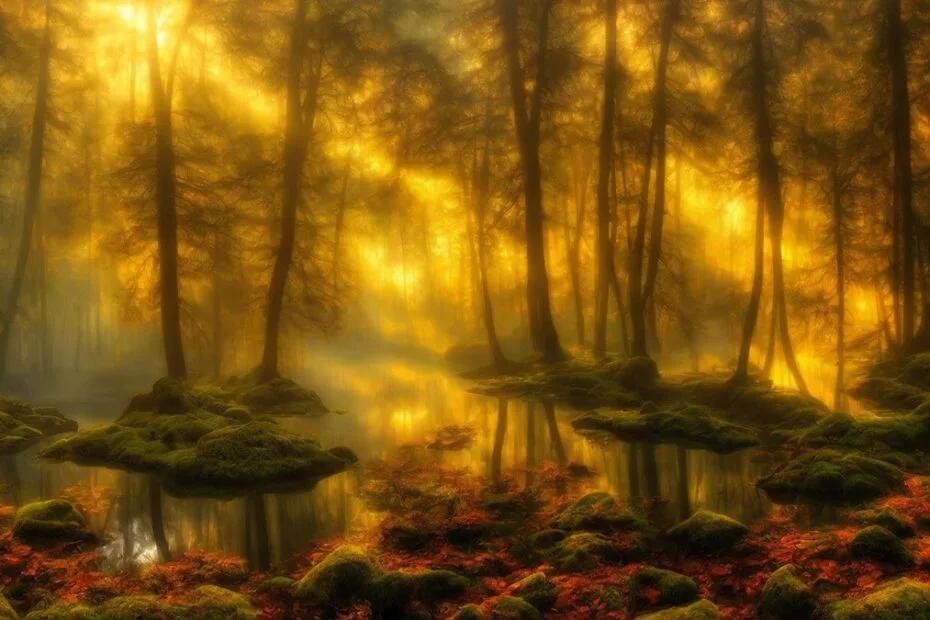
When you’re stressed, the simplest reset is often the oldest one: time in nature. “Forest bathing” — from the Japanese practice of shinrin-yoku — is the art of slowing down and soaking up the natural world through your senses. It’s not hiking or exercise; it’s gently being present among trees and greenery. And you don’t need a forest or a free weekend to benefit. Here’s what forest bathing is, why nature soothes us, and how to practice it even in a city.
Also Read



What Is Forest Bathing?
Forest bathing means immersing yourself in a natural environment and mindfully experiencing it with all your senses — the sights, sounds, smells, and textures around you. The “bathing” is metaphorical: you’re bathing in the atmosphere of the forest, not in water. Crucially, it’s slow and unhurried. There’s no goal, no distance to cover, no steps to count. You simply walk slowly or sit, and let nature in. It originated in Japan as a wellness practice and has spread worldwide because it’s simple, free, and genuinely calming.
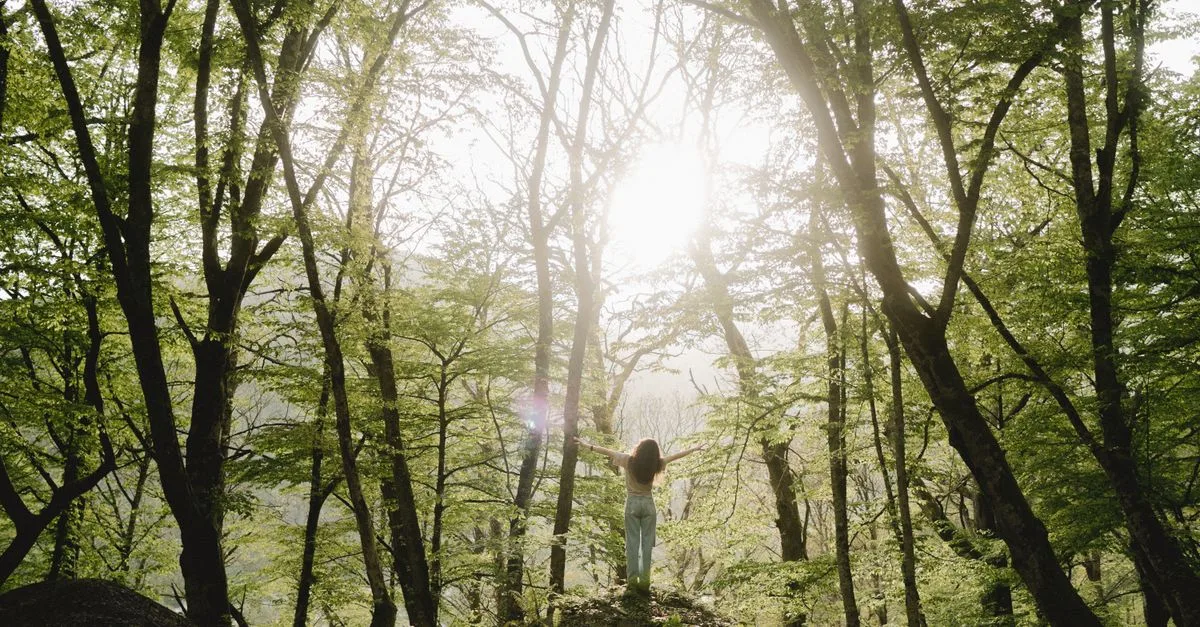
Why Nature Soothes Us
Most of us spend our days indoors, on screens, in a low hum of stress. Stepping into a natural setting gives the nervous system a chance to downshift — people widely report feeling calmer, clearer, and lighter after time among trees and greenery. Nature engages your senses gently rather than bombarding them, pulls your attention out of anxious thought loops and into the present, and offers a sense of space and perspective. You don’t need a study to confirm what your own body tells you after a walk in the park: nature resets you.
How to Practice Forest Bathing
It’s beautifully simple — the only “rule” is to slow down and pay attention:
- Leave the agenda behind — no destination, no pace, no fitness goal. Wander or sit.
- Put your phone away — this is screen-free time; silence notifications.
- Engage your senses — notice the colors and light, the sounds of birds or wind, the smell of leaves and earth, the texture of bark or grass.
- Move slowly or be still — a slow amble or simply sitting against a tree both work.
- Breathe — take some slow, deep breaths and let your shoulders drop.
- Stay a while — even 20 minutes helps; longer is lovely if you have it.
That’s it. There’s no wrong way to do it as long as you’re present and unhurried.
No Forest? No Problem
You don’t need wilderness to get nature’s benefits. The practice adapts to almost anywhere:
- A local park, garden, or tree-lined street
- Sitting under a single tree or by a body of water
- Your own backyard or balcony with plants
- Tending houseplants or a small garden
- Even pausing to really notice the sky, a breeze, or birdsong on your commute
The benefit comes from mindful contact with nature, however small — not from how remote or grand the setting is. City dwellers can absolutely practice this.
As an Amazon Associate, The Self-Care Edit earns from qualifying purchases.
Making It a Habit
Like any self-care practice, forest bathing helps most when it’s regular. Try to build in some nature time each week — a slow weekend walk in a park, a daily few minutes outside on your break, or morning coffee by an open window with plants. Bringing nature indoors with houseplants extends the calming effect to every day. The aim isn’t a grand wilderness trip now and then; it’s small, frequent doses of mindful contact with the natural world woven into ordinary life.
A Gentle Note
Time in nature is a wonderful, well-loved way to ease everyday stress — but it’s a support, not a treatment for clinical anxiety or depression. If you’re struggling with persistent low mood or anxiety, please reach out to a qualified professional. Nature can be a beautiful part of feeling better, alongside the right support.
The Science of Why Nature Calms Us
There’s growing evidence behind what your body already knows: time in nature soothes us. Being among trees and greenery is widely associated with lower stress, a calmer nervous system, improved mood, and better focus. Researchers point to factors like the gentle, restorative way nature engages our attention, the fresh air, and simply stepping away from screens and demands. Whatever the exact mechanisms, the effect is real and accessible — you don’t need to understand the science to feel calmer after a walk among trees. Nature offers a reset that’s free, available, and remarkably effective.
Forest Bathing in the City
You don’t need a remote forest to practice. City dwellers can forest bathe in a local park, a tree-lined street, a botanical garden, or even a quiet green corner. The key is mindful presence among nature, however modest — sitting under a single tree, noticing birdsong, feeling a breeze. A small urban park visited with full attention offers real benefits. Don’t let “I don’t live near a forest” stop you; nature in the city counts, and seeking out the green spaces around you is part of the practice.
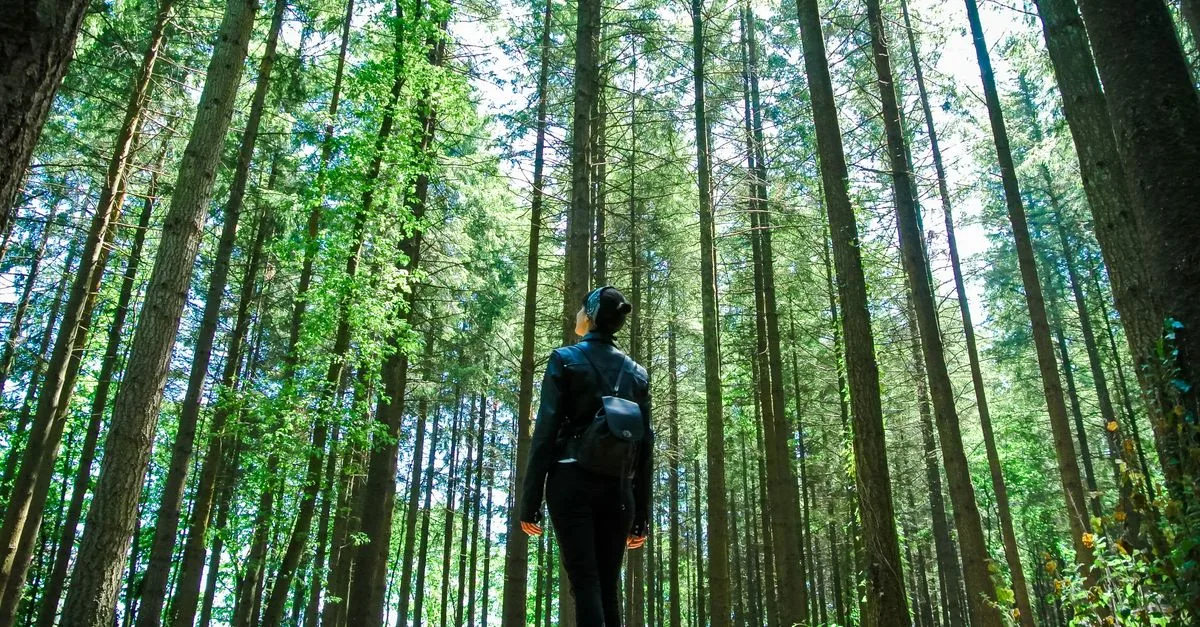
A Simple Forest Bathing Practice
If you’d like a gentle structure: choose a natural spot and leave your agenda (and ideally your phone) behind. Walk slowly, with no destination. Pause often and engage each sense in turn — what you see (light, colors, movement), hear (birds, leaves, wind), smell (earth, plants), and feel (bark, breeze, sun). Breathe slowly and deeply. Sit for a while if you like. There’s no right way and no goal beyond being present. Even twenty unhurried minutes following this loose practice can leave you noticeably calmer and clearer.
Forest Bathing Through the Seasons
Nature offers something different in every season, and forest bathing year-round deepens the practice. Spring brings new growth and birdsong; summer, lush greenery and warmth; autumn, stunning colors and crisp air; winter, stillness and stark beauty. Each invites a different kind of presence. Dressing for the weather and getting out in all seasons keeps you connected to nature’s rhythms — and noticing these changes is itself a mindful, grounding act. Don’t pack the practice away when it’s cold; winter walks can be especially peaceful.
Bringing the Forest Indoors
When you can’t get outside, you can still invite nature in. Houseplants, fresh flowers, natural light, nature sounds, and even images of landscapes offer a gentler version of nature’s calming effect. Caring for a few plants brings a daily dose of greenery and a small, soothing ritual. Opening a window to fresh air and birdsong helps too. While nothing fully replaces being outdoors, weaving natural elements into your home extends nature’s benefits to every day, especially during busy weeks or bad weather.
Forest Bathing With Children
Forest bathing is wonderful to share with kids, and they often take to it naturally — children are born noticers, fascinated by bugs, leaves, and puddles. Slow down to their pace, let them explore and touch and wonder, and resist the urge to rush or instruct. Turn it into gentle sensory games: who can hear the most sounds, find the softest leaf, or spot something red. Time in nature supports children’s wellbeing and focus too, and doing it together builds calm family moments away from screens. You don’t need a structured practice with kids — just unhurried, present time outdoors.
What Forest Bathing Is Not
It helps to clear up what forest bathing isn’t. It’s not a hike or a workout — the point is slowness and presence, not distance or exertion. It’s not about achieving anything or “doing it right.” It’s not a replacement for medical or mental-health treatment, though it’s a lovely complement. And it doesn’t require special gear, training, or a wilderness — just you, some nature, and your attention. Releasing these misconceptions makes forest bathing feel accessible: there’s nothing to master, nowhere to get to, and no way to fail.
Making Forest Bathing a Habit
Like any self-care practice, forest bathing helps most when it’s regular rather than a rare treat. Try to weave small doses of mindful nature time into your week — a slow weekend walk, a few minutes in a park on your lunch break, morning coffee by an open window with plants. Attaching it to an existing routine helps it stick. The aim isn’t occasional grand trips to the wilderness; it’s frequent, gentle contact with the natural world woven into ordinary life. Over time, these small green pauses become something you genuinely crave and look forward to.
A Few Things to Bring (or Leave Behind)
Forest bathing needs almost nothing, which is part of its beauty. Wear comfortable clothes and shoes suited to the weather, and bring water if you’ll be out a while. The most important thing to bring is your attention — and the most important thing to leave behind is your phone, or at least put it on silent and out of sight, so notifications can’t pull you out of the moment. Leave your to-do list and your hurry at the trailhead too. With your senses open and your distractions parked, even a short visit becomes genuinely restorative.
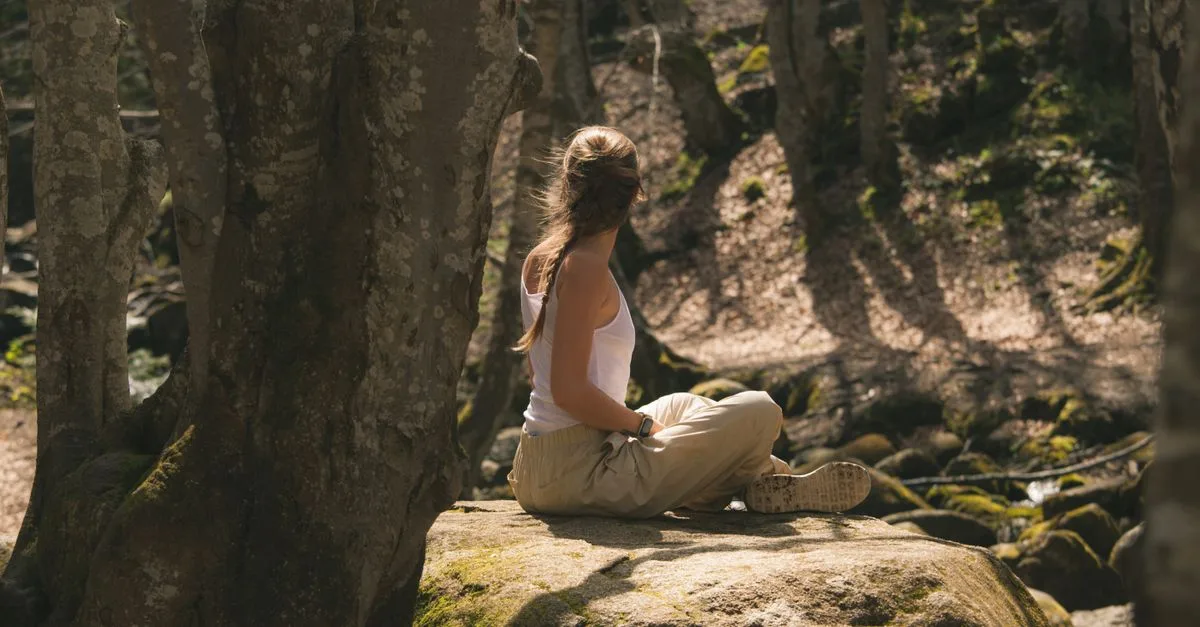
How do you practice forest bathing?
Forest bathing simply means spending unhurried, mindful time in nature. Walk slowly, leave your phone away, and gently engage your senses — noticing the sights, sounds, smells, and textures around you.
There is no goal or destination, unlike a hike. The whole point is to be present and let nature’s calm soak in, so move at a relaxed pace and simply absorb the experience.
What are the benefits of forest bathing?
Time among trees and greenery is genuinely restorative. Many people find forest bathing lowers stress, calms the mind, lifts mood, and leaves them feeling refreshed and more grounded.
Nature offers a break from screens, noise, and hurry, giving your mind space to settle. Even short, regular time outdoors can noticeably ease tension and improve how you feel.
Do you need an actual forest?
Not at all. While woodland is lovely, you can enjoy the benefits in any green space — a park, a garden, a tree-lined street, or beside water. What matters is mindful time in nature, wherever you find it.
Even a small local green spot works beautifully. The practice is about presence and connection with the natural world, not about finding the perfect wilderness.
How long should a forest bathing session be?
There is no fixed rule, and even ten or twenty minutes can help. Longer sessions of an hour or two allow deeper relaxation, but the most important thing is to go at an unhurried pace.
Consistency matters too, so shorter, regular visits are wonderful if long ones are not possible. Let the time feel restful rather than another item to rush through.
How is forest bathing different from a hike?
A hike focuses on exercise, distance, or reaching a destination, while forest bathing is slow, mindful, and goalless. You are not trying to get anywhere or achieve anything.
Both are valuable, but forest bathing is specifically about presence and sensory connection. You can, of course, bring a mindful, unhurried spirit to a gentle walk and blend a little of both.
How do you bring nature indoors?
When you cannot get outside, you can still invite nature in. Houseplants, natural light, nature sounds, images of green spaces, and natural scents all bring a touch of the outdoors to your home.
Opening a window for fresh air helps too. While nothing fully replaces being outside, these touches offer some of nature’s calming benefits on days when a real green space is out of reach.
Frequently Asked Questions
What is forest bathing?
It’s the practice (from the Japanese shinrin-yoku) of slowly, mindfully immersing yourself in a natural setting through your senses. It’s not hiking or exercise — just being present and unhurried among trees and greenery.
How do I practice forest bathing?
Leave the agenda and your phone behind, move slowly or sit still, and engage your senses — the sights, sounds, smells, and textures of nature — while breathing slowly. Even 20 minutes helps.
Can I forest bathe without a forest?
Yes — a park, garden, tree-lined street, backyard, or even mindful time with houseplants works. The benefit comes from mindful contact with nature, not how remote the setting is.
How often should I spend time in nature?
Aim for small, regular doses — a weekly slow walk plus a few minutes outdoors most days. Houseplants extend the calming effect indoors. Frequency matters more than how grand the setting is.
Key Takeaways
- Forest bathing is slow, mindful, sensory time in nature — not hiking or exercise.
- Nature helps the nervous system downshift, easing stress and clearing the mind.
- Practice it by slowing down, ditching the phone, engaging your senses, and breathing.
- No forest needed — parks, gardens, a single tree, or houseplants all work.
- Small, regular doses beat rare grand trips; it supports wellbeing but isn’t a substitute for professional care.
Nature is one of the oldest, simplest, and most reliable ways to feel calmer — and it’s free and all around you. Slow down, step outside, and let your senses do the rest. For more, read our guide to building a self-care routine and explore more Stress Relief Tools.

I'm Khan Laila, the founder and editor of The Self-Care Edit. I'm a dedicated self-care enthusiast and researcher (not a medical professional) on a mission to make relaxation, better sleep, and everyday wellbeing simpler and more accessible. I write and curate every guide here with genuine care, honest product picks, and a firm belief that self-care should be realistic and guilt-free.