
Stress is an unavoidable part of life — but living in constant, unmanaged stress is not. When you understand what stress is and build a toolkit of ways to relieve it, you can face life’s pressures with far more calm and resilience.
Also Read



This complete guide brings together the most effective, natural ways to relieve stress: fast in-the-moment techniques, daily habits, calming tools, and lifestyle changes — with links to in-depth guides on each.
What is the best way to relieve stress?
There is no single best way — the most effective approach combines fast relievers for tense moments (like deep breathing) with daily habits that build resilience (like movement, sleep, and connection). Together they keep stress manageable.
The key is having a few reliable tools ready and using them consistently, rather than waiting until stress has already overwhelmed you.

Key takeaways
- Combine quick relievers with daily stress-reducing habits.
- Deep breathing and grounding calm you in minutes.
- Movement, sleep, and nature build long-term resilience.
- Boundaries and connection protect you from chronic stress.
- Seek support when stress feels constant or overwhelming.
What is stress and why does it happen?
Stress is your body’s natural response to a perceived threat or demand, triggering the “fight or flight” reaction — a surge of hormones, a faster heartbeat, and heightened alertness designed to help you cope.
This response is helpful in genuine emergencies, but in modern life it fires constantly over everyday pressures. Learning to switch it off is at the heart of stress relief.
What is the difference between acute and chronic stress?
Acute stress is short-term — the spike you feel before a deadline or during an argument — and usually passes quickly. Chronic stress is ongoing, low-grade stress that lingers for weeks or months.
Chronic stress is the more harmful kind, wearing down your health over time. Much of stress management is about preventing everyday acute stress from becoming a constant, chronic state.
Why does managing stress matter so much?
Unmanaged stress affects nearly everything — sleep, mood, focus, relationships, and physical health, from headaches to a weakened immune system. Over time, it can lead to burnout and serious health problems.
Managing stress well protects your whole wellbeing and helps you feel more in control and content. It is one of the most valuable skills you can build for a healthier, happier life.
How does deep breathing relieve stress?
Your breath is the fastest, most accessible stress reliever there is. Slow, deep breathing signals to your nervous system that you are safe, lowering your heart rate and easing tension within minutes.
It is free, silent, and works anywhere. Try our simple breathing exercises the next time stress rises.
What are grounding techniques?
Grounding brings a racing, stressed mind back to the present moment using your senses. Techniques like the 5-4-3-2-1 method quickly interrupt spiraling thoughts and restore a sense of calm.
Our guide to grounding techniques shares simple methods you can use anytime you feel overwhelmed.

How does movement reduce stress?
Physical activity is one of the most reliable stress relievers, burning off stress hormones and releasing mood-lifting endorphins. It does not need to be intense — a brisk walk or gentle stretch counts.
Regular movement builds resilience to stress over time, while a single walk can reset a tense moment. Finding activity you enjoy makes it a sustainable part of your routine.
How does time in nature help?
Nature has a genuine, calming effect on the mind and body. Time among trees, in a garden, or simply outdoors lowers stress and restores a sense of perspective and peace.
The practice of forest bathing makes this intentional. See our guide to forest bathing for a soothing way to reconnect with nature.
How do you calm your nervous system?
Chronic stress keeps your nervous system stuck in high alert. Calming practices — slow breathing, gentle movement, warmth, and soothing rituals — help switch it into a relaxed “rest and digest” state.
Our guide on how to calm your nervous system explains this shift and how to trigger calm on purpose.
What natural remedies help with stress?
Gentle, natural remedies can genuinely ease everyday stress: herbal teas, aromatherapy, magnesium, movement, and time outdoors all support calm without side effects.
Our guide to natural remedies for stress relief covers the options that actually work and how to combine them.
Can aromatherapy relieve stress?
Scent has a fast, direct link to the brain’s emotional centers, so calming aromas like lavender can quickly ease tension. A diffuser, roller, or a few deep inhales all help.
See our guide to aromatherapy for stress relief for the best oils and simple ways to use them safely.
Do calming teas help with stress?
A warm cup of herbal tea is a soothing ritual that eases tension on two levels — the calming herbs themselves and the simple act of pausing to slow down.
Our roundup of the best calming teas for stress and sleep covers gentle blends like chamomile and lemon balm to work into your day.
How does journaling ease stress?
Getting worries out of your head and onto paper is surprisingly powerful. Journaling helps you process emotions, spot stress triggers, and shift toward gratitude and clarity.
Our guide to journaling for stress relief includes simple prompts to quiet a busy mind.
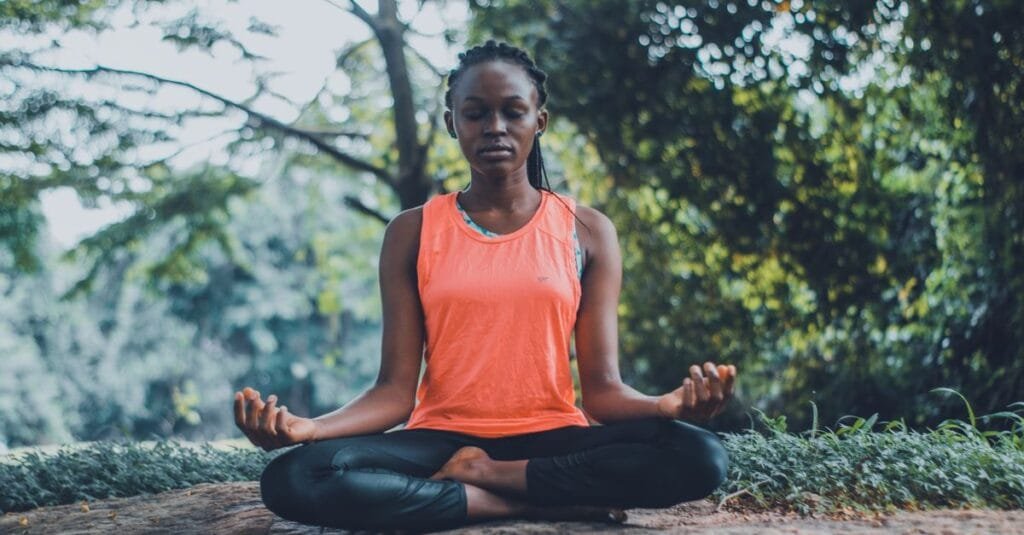
How do mindfulness and meditation help?
Mindfulness and meditation train your mind to rest in the present rather than spinning through worries. Even a few minutes a day reduces stress and builds a calmer baseline over time.
These practices are among the most researched and effective tools for long-term stress reduction, and they need nothing but a little time and attention.
Why are boundaries important for stress?
Much stress comes from taking on too much and never switching off. Learning to say no, protecting your time, and not being endlessly available are powerful ways to reduce pressure.
Our guide to setting boundaries shows how to protect your wellbeing without guilt.

How does a digital detox reduce stress?
Constant notifications, scrolling, and news keep your mind in a low-level state of alert. Stepping back from screens gives your overloaded brain space to rest and reset.
Our guide to a digital detox that actually sticks offers realistic ways to reduce screen stress.
How are sleep and stress connected?
Sleep and stress feed each other: stress harms sleep, and poor sleep makes everything more stressful. Improving one improves the other, making sleep a cornerstone of stress management.
See our complete guide to better sleep to break the cycle and build genuine resilience through rest.
What tools can help relieve stress?
Some simple tools give stress relief a physical outlet or ease bodily tension. Massagers, foam rollers, acupressure mats, and heating pads all help release the physical side of stress.
Explore our guides to stress-relief tools, neck and shoulder massagers, and foam rollers to ease tension held in the body.
How do you manage stress at work?
Workplace stress is a major source of pressure. Regular breaks, boundaries, movement, and switching off after work all help keep it manageable.
See our guides on stress management for office workers and work-life balance to protect your calm on the job.
How does your diet affect stress?
What you eat and drink shapes how you handle stress. Too much caffeine and sugar can leave you jittery and prone to crashes, while balanced meals and good hydration keep your energy and mood steadier.
You do not need a perfect diet, just steady, nourishing habits. Keeping water handy and choosing wholesome foods gives your body a stronger foundation for coping with pressure.
How does connection help with stress?
Sharing how you feel with people you trust lightens the load, and simply feeling supported buffers you against stress. Connection reminds you that you are not facing challenges alone.
Making time for friends, family, or a support group is a genuine stress-management tool. Human connection is one of the most powerful comforts there is.
What are common stress-management mistakes?
Common pitfalls include ignoring stress until it becomes overwhelming, relying on unhealthy coping like too much alcohol, never taking real breaks, and expecting to eliminate stress entirely.
The goal is not a stress-free life but a manageable one. Building small, healthy habits and using them consistently works far better than waiting for stress to reach a crisis.
When should you seek professional help?
These tools are wonderful for everyday stress, but they have limits. If stress feels constant, interferes with your daily life, or comes with symptoms like panic, hopelessness, or exhaustion, please reach out to a doctor or mental-health professional.
Asking for help is a strength, not a weakness. These techniques work beautifully alongside professional care — they are a complement, never a replacement, when you truly need support.
What are the physical symptoms of stress?
Stress is deeply physical. It often shows up as tight shoulders, a clenched jaw, headaches, a racing heart, shallow breathing, digestive upset, fatigue, or disrupted sleep.
Noticing these bodily signs is actually useful, because they are your cue to use a stress-relief technique. Releasing the physical tension usually helps ease the mental stress along with it.
What is cortisol, the stress hormone?
Cortisol is the main hormone released during stress, helping your body respond to a perceived threat. In short bursts it is helpful, but chronically elevated cortisol from ongoing stress can harm your health.
Stress-relief habits like movement, sleep, and relaxation help bring cortisol back to healthy levels. This is part of why managing stress consistently matters so much for your body, not just your mood.
Can some stress actually be good for you?
Yes. Short-term, manageable stress — sometimes called positive stress — can sharpen focus, boost motivation, and help you rise to a challenge, like preparing for an important event.
The problem is not stress itself but constant, unrelieved stress. The goal is not to eliminate all stress, but to keep it at a helpful, manageable level rather than an overwhelming one.
What is burnout, and how is it different from stress?
Burnout is the exhaustion that builds from prolonged, unrelieved stress, leaving you drained, cynical, and unable to function as usual. Where stress often feels like too much, burnout feels like emptiness.
Preventing burnout means managing stress before it accumulates. Our guide on recovering from burnout can help if you are already feeling that deep depletion.
How does overthinking fuel stress?
Overthinking keeps you replaying worries and imagining worst-case scenarios, which keeps your stress response switched on long after any real threat has passed.
Learning to interrupt these spirals is a powerful stress reliever. Our guide on how to stop overthinking shares gentle techniques to quiet a churning mind.
How does progressive muscle relaxation help?
Progressive muscle relaxation involves gently tensing and then releasing each muscle group in turn, teaching your body what deep relaxation feels like and releasing physical tension you may not notice.
It is especially good for the physical side of stress and for winding down. Our guide to progressive muscle relaxation walks you through it step by step.
How does self-compassion reduce stress?
How you treat yourself under pressure matters enormously. Harsh self-criticism adds to stress, while self-compassion — treating yourself with the kindness you would offer a friend — soothes it.
Our guide on practicing self-compassion shows how being gentler with yourself builds genuine resilience to stress.
Can hobbies relieve stress?
Absolutely. Absorbing, enjoyable hobbies pull your focus away from worries into a calming “flow” state, giving your mind a genuine break and a satisfying sense of achievement.
Whether creative, active, or social, a beloved hobby is a real stress reliever. See our guide to hobbies for mental wellness for ideas to try.
How does laughter relieve stress?
Laughter is a genuine, underrated stress reliever. It eases tension, lifts your mood, and triggers the release of feel-good chemicals, giving both mind and body a quick, natural reset.
Seeking out things that make you laugh — a funny show, a playful friend, a favorite comedian — is a simple and enjoyable way to take the edge off a stressful day.
How does music help with stress?
Music has a direct, powerful effect on mood. Calming music can slow your heart rate and ease tension, while uplifting music can lift a low, stressed mood almost instantly.
Creating a go-to calming playlist gives you an easy, always-available stress tool. Playing soothing music during a bath, commute, or wind-down deepens the relaxing effect.
How does financial stress affect you?
Money worries are among the most common and persistent sources of stress, and they can affect sleep, mood, and relationships. Because they feel ongoing, they easily become chronic.
Practical steps like budgeting, seeking advice, and tackling one issue at a time help you regain a sense of control, while the general stress tools in this guide help you cope with the emotional strain.
How do you handle stress you cannot control?
Some stressors are simply outside your control. In these cases, the healthiest approach is to focus your energy on what you can influence — your response, your self-care, and your support network.
Acceptance, self-compassion, and leaning on others help you weather situations you cannot change. Letting go of the need to control everything is itself a powerful form of stress relief.
How do you help someone who is stressed?
Often the best support is simply listening without rushing to fix things. Being present, acknowledging their feelings, and offering practical help where you can all make a real difference.
Gently encouraging healthy habits and, when needed, professional support helps too. Sometimes just knowing someone cares and is there eases another person’s stress more than any advice.
How do you build a daily stress-management routine?
A little stress relief woven through each day works better than occasional big efforts. You might start the morning calmly, take movement and breathing breaks, and wind down intentionally at night.
Attach small practices to habits you already have so they stick. A gentle daily rhythm of calming moments builds steady resilience, keeping everyday stress from quietly piling up.
What is the relaxation response?
The relaxation response is your body’s natural counterbalance to the stress response — a state of deep calm where your heart rate slows, muscles relax, and your mind quiets. You can trigger it deliberately.
Practices like slow breathing, meditation, and progressive muscle relaxation all activate it. Regularly switching on this calm state trains your body to recover from stress more quickly and easily over time.
Can gratitude reduce stress?
Yes. Regularly noticing what you appreciate gently shifts your focus away from worries and toward the good in your life, which eases stress and improves your overall outlook.
A simple daily gratitude habit — noting a few things you are thankful for — costs nothing and takes a minute. Over time it builds a more balanced, resilient perspective that makes stress feel more manageable.
How does decluttering your space reduce stress?
Clutter is a subtle but constant stressor, giving your brain more to process and leaving you feeling scattered. Clearing and organizing your space often brings a real sense of calm and control.
You do not need a dramatic overhaul, just tidying one area at a time. A calmer, more ordered environment supports a calmer, more ordered mind.
How do pets help reduce stress?
Spending time with a beloved pet is a genuine stress reliever. Stroking a cat or dog, or simply being in their company, can lower tension, lift your mood, and offer comforting, unconditional connection.
The routine and companionship pets provide also add structure and joy to your days. For many people, animals are a wonderful, natural antidote to stress.
Should you keep a stress diary?
A stress diary — noting when you feel stressed, what triggered it, and how you responded — helps you spot patterns and understand your personal stressors more clearly.
Once you see what reliably stresses you, you can address those triggers or prepare for them. This simple awareness tool turns vague, overwhelming stress into something you can actually understand and manage.
Frequently Asked Questions
What is the fastest way to relieve stress?
Deep breathing is the fastest — a few slow, deep breaths can calm your nervous system within a minute or two. Grounding techniques like the 5-4-3-2-1 method, stepping outside for fresh air, or inhaling a calming scent also work quickly. For lasting relief, combine these fast tools with daily habits like movement, sleep, and connection.
How can I reduce stress naturally?
Natural stress relief combines quick techniques and daily habits: deep breathing, movement, time in nature, calming teas, aromatherapy, journaling, good sleep, and setting boundaries. None require medication, and they work best used consistently together. Start with one or two that appeal to you and build a routine from there.
What are the signs of too much stress?
Signs of excessive stress include constant tension, trouble sleeping, irritability, difficulty concentrating, headaches or stomach issues, feeling overwhelmed, and losing enjoyment in things. If these persist or interfere with your daily life, it is a signal to prioritize stress management and, if needed, seek professional support.
Can stress make you physically ill?
Yes. Chronic stress is linked to many physical problems, including headaches, digestive issues, disrupted sleep, high blood pressure, and a weakened immune system. This mind-body connection is a key reason managing stress matters for your physical health, not just your mood. Persistent stress-related symptoms are worth discussing with a doctor.
How do I stop feeling stressed all the time?
Constant stress usually needs both quick relief and lifestyle changes. Build daily habits like movement, good sleep, boundaries, and connection, use fast tools like breathing when stress spikes, and reduce sources of pressure where you can. If you feel stressed all the time despite these efforts, please reach out to a professional for support.
The bottom line
Stress may be unavoidable, but suffering under constant, unmanaged stress is not. With a toolkit of fast relievers like breathing and grounding, plus daily habits like movement, sleep, boundaries, and connection, you can keep stress manageable and build real resilience.
Start with one or two techniques from this guide and explore the linked guides as you go. For a broader routine of calm, see our complete guide to building a self-care routine for better sleep and less stress. For an authoritative external reference, the Mayo Clinic’s stress management resource is excellent.

I'm Khan Laila, the founder and editor of The Self-Care Edit. I'm a dedicated self-care enthusiast and researcher (not a medical professional) on a mission to make relaxation, better sleep, and everyday wellbeing simpler and more accessible. I write and curate every guide here with genuine care, honest product picks, and a firm belief that self-care should be realistic and guilt-free.