
If you’ve ever tried to sit and meditate only to be distracted by an aching back or numb legs, you already know why the right cushion matters. A good meditation cushion gently lifts and tilts your hips, helping your spine stay tall and your body stay comfortable long enough to actually settle into stillness. This guide walks you through everything — the types, fillings, sizing, and how to choose the one that suits your body and practice.
Also Read



Why a Meditation Cushion Makes Such a Difference
Sitting cross-legged directly on the floor pulls most people’s pelvis backward, rounding the lower back and creating strain within minutes. A cushion raises your seat so your hips sit above your knees, which naturally tips your pelvis forward and lets your spine stack comfortably upright. The result is less fidgeting, better breathing, and a posture you can hold without constant adjustment. For anyone meditating for more than a few minutes, a proper cushion is the single most useful piece of equipment you can own.
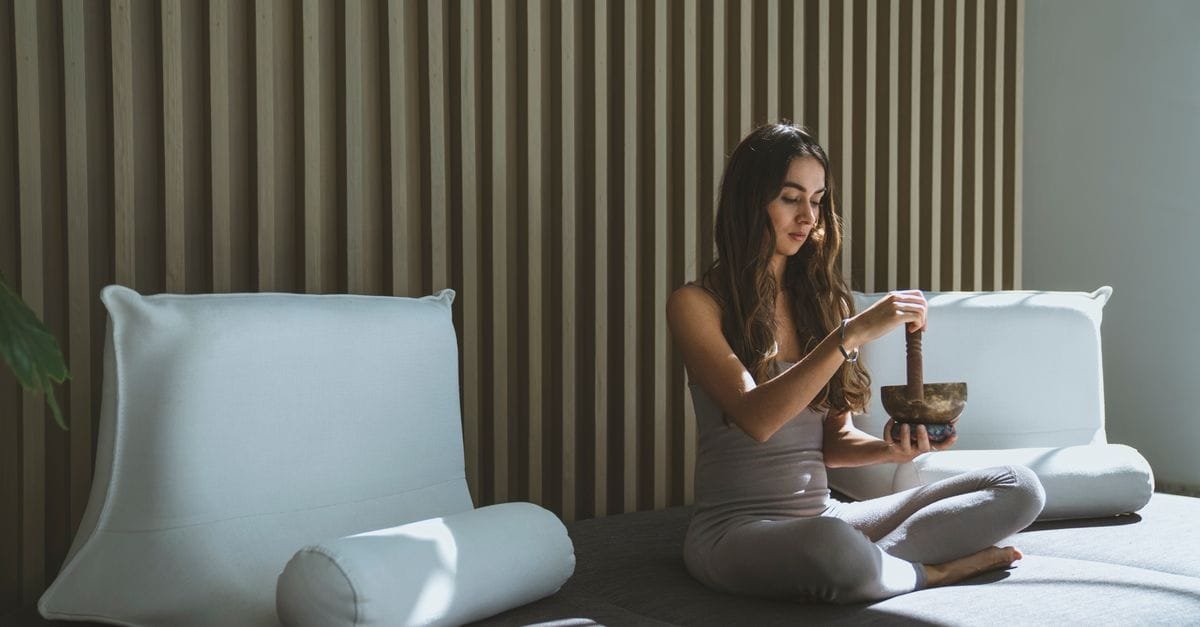
The Main Types of Meditation Cushions
There are a few classic styles, and knowing them makes choosing far easier. A zafu is the round, pleated cushion most people picture — firm and elevating, ideal for cross-legged sitting. A zabuton is the large flat mat that goes underneath, padding your knees and ankles. A crescent or half-moon cushion has a curved shape that cradles the thighs and suits those who like extra support. A meditation bench (seiza bench) is great if you prefer a kneeling position or have tight hips. Many people pair a zafu with a zabuton for full comfort.
Getting the Height Right
Height is the most important factor, and it depends on your flexibility. If your hips are tight or your knees float well above the floor when seated, you’ll want a taller cushion to lift you higher. If you’re more flexible, a lower cushion keeps you grounded and stable. The goal is simple: your hips should sit comfortably higher than your knees, letting your thighs slope gently downward. If you’re unsure, err slightly taller — you can always sit toward the front edge to fine-tune the lift.
Filling Materials Explained
What’s inside changes how a cushion feels and lasts. Buckwheat hull filling is the most popular — it’s firm, supportive, and moldable, shifting to match your shape while holding you steady, and you can add or remove hulls to adjust the height. Kapok is a soft, plant-based fiber that feels plush and springy but compresses more over time. Foam options are lightweight and budget-friendly, though they can feel less stable. For most people seeking lasting support, a buckwheat-filled cushion is the dependable choice.
Size, Shape, and Your Body
Consider your own proportions. Taller or larger sitters generally feel more stable on a wider, higher cushion, while petite practitioners may find a standard or smaller size more comfortable. Your sitting style matters too: full-lotus and cross-legged sitters often prefer a round zafu, while those who kneel may do better with a crescent cushion or bench. There’s no single right answer — it’s about matching the cushion to how your body naturally wants to sit.
Cover Material and Maintenance
A removable, washable cover is worth seeking out, since cushions pick up dust and oils over time. Natural fabrics like cotton or hemp are breathable and durable, while a sturdy zipper makes it easy to remove the cover or adjust the filling. Look for solid, double-stitched seams — a well-made cushion endures years of daily sitting. If you’ll be traveling with it, a built-in carry handle is a small but genuinely useful touch.
Setting Up Your Meditation Space
Your cushion is the centerpiece of a calm little corner you’ll actually want to return to. Place it somewhere quiet with a bit of natural light, add a zabuton mat underneath to cushion your knees, and keep the area uncluttered. Some people like a small candle, a plant, or a soft blanket nearby. A consistent, inviting spot makes it far easier to build a daily habit — your brain starts to associate that space with settling down and slowing your breath.
How to Sit on Your Cushion
To get the benefit, sit toward the front third of the cushion so your pelvis tips slightly forward and your knees drift down toward the floor. Let your spine rise tall but relaxed, shoulders soft, hands resting on your thighs or in your lap. If your knees are high or unsupported, slip a folded blanket or extra support beneath them. Comfort and stability come first — a good seat should let you almost forget your body so your attention can turn inward.
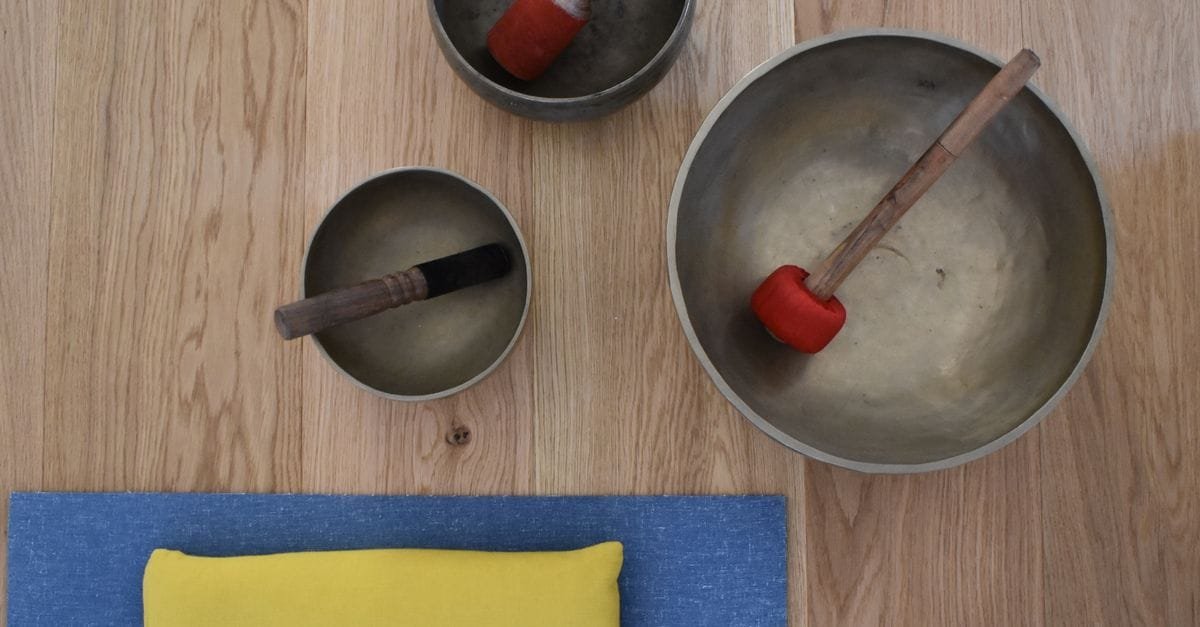
Caring for Your Cushion
A little maintenance keeps your cushion supportive for years. Fluff and reshape buckwheat or kapok cushions regularly to redistribute the filling, and air them out occasionally to keep them fresh. Wash the cover according to its care label, and spot-clean the inner cushion rather than soaking it. Over time, buckwheat hulls can be topped up if the cushion softens. Stored somewhere dry and out of direct sun, a quality cushion will comfortably outlast many years of practice.
What to Look For When You Buy
When you’re ready to choose, prioritize the right height for your flexibility, a supportive buckwheat or quality kapok filling, a removable washable cover, and solid stitching. Reading recent buyer reviews helps you gauge real-world comfort and durability. You can browse a wide range of meditation cushions and matching zabuton mats to compare sizes and fillings, and consider a meditation bench if you prefer kneeling. Choose comfort and quality over the cheapest option — this is something you’ll use almost daily.
Cushions for Tight Hips and Sensitive Knees
If you have tight hips, limited flexibility, or sensitive knees, your cushion choice matters even more. A taller cushion lifts you higher, reducing the strain of getting your knees toward the floor, while a crescent-shaped cushion or a kneeling bench takes pressure off the hips and ankles entirely. Adding a padded zabuton mat underneath protects your knees and shins from hard floors. If sitting cross-legged is uncomfortable no matter what, a seiza bench lets you kneel with your weight supported, which many people with hip or knee issues find far more sustainable for longer sessions.
Common Mistakes to Avoid
A few simple missteps can make sitting harder than it needs to be. The most common is choosing a cushion that’s too low for your flexibility, which leaves your knees floating and your back rounding. Another is sitting in the dead center rather than toward the front edge, which flattens the helpful forward tilt of your pelvis. People also often skip a mat for their knees, then wonder why their legs ache. Finally, going for the cheapest, softest option usually backfires — an unsupportive cushion compresses flat and stops doing its job within minutes.
Travel and Portable Options
If you travel or practice in different spots, look for a lighter, more compact cushion — some come with carry handles or even fold for easy transport. Inflatable and foam travel cushions are extremely light, though less stable than buckwheat. Keeping a dedicated travel cushion means your practice doesn’t have to lapse when you’re away from home, which is often when stress runs highest and meditation helps most. A consistent seat, wherever you are, makes it much easier to keep your habit alive on the road.
How Your Cushion Supports a Daily Habit
It might seem like a small thing, but having a comfortable, dedicated cushion genuinely helps you meditate more consistently. When sitting doesn’t hurt, you’re far less likely to cut a session short or skip it altogether. A cushion that lives in a set spot also acts as a visual cue, gently reminding you to pause and breathe. Over time, simply settling onto your cushion becomes a ritual that signals your mind it’s time to slow down — turning meditation from an effort into something you naturally return to.
Are Premium Cushions Worth It?
You don’t need the most expensive cushion, but extremely cheap ones often disappoint — thin filling, flimsy covers, and seams that fail. A mid-range, well-made buckwheat cushion typically offers the best value, lasting for years of daily use while holding its supportive shape. Spending a little more for quality stitching, a washable cover, and adjustable filling usually pays off in comfort and durability. Think of it as a long-term investment in a daily habit: a good cushion you’ll use thousands of times is worth choosing carefully.
Bringing It All Together
Choosing a meditation cushion comes down to one goal: helping you sit comfortably enough to forget your body and turn inward. Start with the right height for your flexibility, pick a supportive buckwheat filling, add a zabuton for your knees, and choose a quality cover that will last. Sit toward the front edge, keep your space inviting, and give yourself a few sessions to settle into your new seat. With the right cushion supporting you, a daily practice becomes far easier to sustain — and far more rewarding.
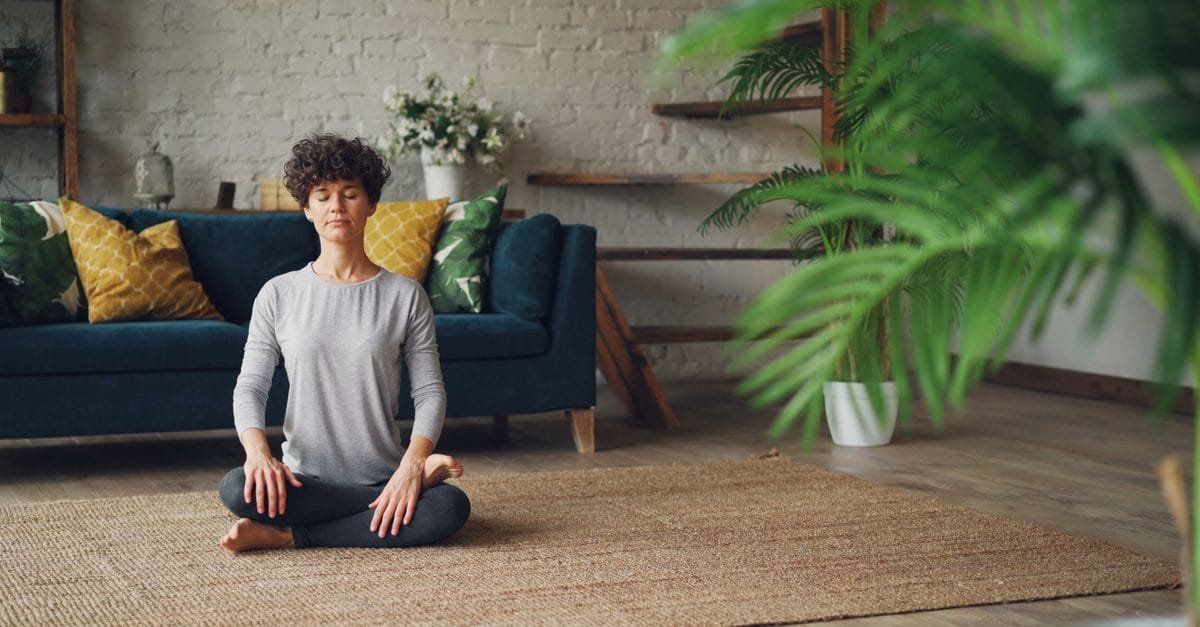
Why use a meditation cushion?
A meditation cushion raises and supports your hips, helping you sit comfortably with good posture for longer without strain. This makes it far easier to focus on your meditation rather than aching joints.
Comfort is essential for a sustainable practice. By supporting your body, a cushion removes a common barrier to meditation, letting you settle in and stay present more easily.
What types of meditation cushions are there?
Common types include the round zafu, the flat zabuton mat that goes underneath, crescent-shaped cushions, and versatile support cushions. Each offers different support for various sitting positions.
A zafu paired with a zabuton is a classic, comfortable combination. Knowing the types helps you choose support that suits how you like to sit, whether cross-legged or kneeling.
How do you choose the right meditation cushion?
Consider your preferred sitting position, your flexibility, and the cushion’s height and firmness. Taller or firmer cushions suit those who need more hip elevation, while lower ones suit more flexible sitters.
Comfort and stability are what matter most. Choosing a cushion that lets you sit with a naturally upright, relaxed spine makes your meditation far more comfortable and sustainable.
What is the correct way to sit on one?
Sit toward the front edge of the cushion so your hips tilt slightly forward and your knees rest comfortably below them, ideally toward the floor. This supports the natural curve of your spine.
Your back should feel upright but relaxed, not stiff. Experimenting with position and cushion height helps you find the sweet spot where sitting feels stable and effortless.
What fillings are used in meditation cushions?
Common fillings include buckwheat hulls, which mould supportively to your body and can be adjusted, and kapok or foam, which are softer. Buckwheat is especially popular for its firm, shapeable support.
The filling affects firmness and feel, so it is worth considering. Adjustable buckwheat cushions let you fine-tune the height and support to exactly what your body needs.
How do you care for a meditation cushion?
Most cushions have removable, washable covers, so check the care label. Spot-clean the cover as needed and wash it occasionally, keeping the filling dry and reshaping it to maintain support.
Buckwheat filling can usually be removed before washing the cover. A little care keeps your cushion fresh, supportive, and pleasant to use for years of practice.
Can beginners benefit from a meditation cushion?
Absolutely. Beginners often struggle with discomfort while sitting, which can put them off meditation entirely. A cushion removes that barrier, making it much easier to start and maintain a practice.
By supporting comfortable posture from the very beginning, a cushion helps new meditators focus on the practice itself rather than fidgeting. It is a small investment that supports a lasting habit.
How do you start a meditation practice with a cushion?
Begin by placing your cushion in a quiet spot and sitting comfortably, letting your hips settle and your spine feel naturally upright. Start with just a few minutes, focusing gently on your breath and returning your attention whenever it wanders.
There is no need to empty your mind or sit for long at first. A comfortable cushion makes those early minutes far easier, and gradually extending your practice as it feels natural helps meditation become a calming daily habit.
Frequently Asked Questions
Do I really need a meditation cushion? If you sit for more than a few minutes, yes — it dramatically improves comfort and posture. A folded blanket can work in a pinch, but a dedicated cushion is far more stable.
What height should I choose? Tighter hips need a taller cushion; more flexible sitters need a lower one. Your hips should rest above your knees.
Buckwheat or kapok? Buckwheat is firmer, more supportive, and adjustable; kapok is softer but compresses faster. Most people prefer buckwheat.
Can I use a regular pillow instead? A standard pillow is usually too soft and unstable, which can actually worsen posture. A firm meditation cushion is designed for the job.
Key Takeaways
A good meditation cushion lifts your hips above your knees, supporting an upright, comfortable spine so you can sit longer with ease. Choose your height based on flexibility, favor a supportive buckwheat filling, and look for a washable cover and sturdy construction. Pair it with a zabuton for your knees, set up an inviting space, and sit toward the front edge. Get these basics right, and your cushion quietly becomes the foundation of a calmer, more consistent practice.

I'm Khan Laila, the founder and editor of The Self-Care Edit. I'm a dedicated self-care enthusiast and researcher (not a medical professional) on a mission to make relaxation, better sleep, and everyday wellbeing simpler and more accessible. I write and curate every guide here with genuine care, honest product picks, and a firm belief that self-care should be realistic and guilt-free.