
When you’re a parent, self-care can feel like a cruel joke — who has time for a spa day or a yoga class between work, school runs, meals, and bedtime battles? But here’s the truth: self-care for busy parents isn’t about long escapes you’ll never get. It’s about small, realistic moments of care woven into a packed life — and it matters precisely because you’re pouring so much out. You can’t pour from an empty cup. Here’s how to actually take care of yourself when you barely have a minute.
Also Read



Why Parent Self-Care Isn’t Selfish
Many parents feel guilty even thinking about themselves — but running yourself into the ground helps no one. When you’re depleted, you’re more stressed, less patient, and less present for your family. Taking care of yourself isn’t taking from your kids; it’s part of being able to show up for them. You’re also modeling healthy habits — children learn that looking after yourself is normal and good. Reframe self-care as maintenance that keeps the whole family running, not a guilty indulgence.

The Mindset Shift: Small and Realistic
Forget the picture of self-care as bubble baths and weekend retreats. For busy parents, self-care is micro-moments: five quiet minutes with a coffee, a few deep breaths in the car, a short walk, a proper meal. These tiny pockets of care, done consistently, do more than the occasional big treat you keep postponing. The goal isn’t more time you don’t have — it’s claiming the small moments you do.
Realistic Self-Care Ideas for Busy Parents
- Protect your morning minutes — wake a little before the kids for quiet coffee, or simply take the first few minutes slowly before the chaos.
- Micro-breaks — a few deep breaths, a stretch, or stepping outside for two minutes resets you between demands.
- Move your body — a walk (even with the stroller), a short home workout, or dancing in the kitchen with the kids.
- Lower the bar — not every meal, activity, or chore needs to be perfect. “Good enough” is genuine self-care.
- Accept and ask for help — partner, family, friends, or trades; you don’t have to do it all.
- Protect your sleep where you can — the highest-impact self-care for exhausted parents.
- Keep one small thing that’s yours — a hobby, a show, a book — even ten minutes of it.
- Connect — a quick text or call to a friend fights the isolation parenting can bring.
Set Boundaries (Yes, Even as a Parent)
Boundaries are powerful self-care for parents. Saying no to over-committing, not signing up for every school activity, limiting how much you take on, and asking your partner to share the load all protect your limited energy. You’re allowed to not be everything to everyone. Protecting some time and energy for yourself isn’t neglecting your family — it’s how you keep showing up for them without burning out.
As an Amazon Associate, The Self-Care Edit earns from qualifying purchases.
Self-Care You Can Do WITH the Kids
You don’t always have to wait for alone time. Plenty of self-care doubles as family time: a walk or bike ride together, cooking a nice meal as an activity, a “calm time” where everyone reads or rests, gardening, or simply being present and enjoying a moment with them instead of rushing. Modeling deep breaths when frustrated or naming your feelings even teaches your kids emotional skills. Folding care into family life means you don’t have to choose between the two.
Let Go of Perfection & Guilt
The pressure to be a “perfect parent” is exhausting and impossible. A calmer, rested, present parent matters far more to kids than a perfect one. Let go of comparison (especially the curated versions online), accept that some days are just survival, and treat yourself with the kindness you’d give a friend. Guilt about self-care is misplaced — caring for yourself is part of caring for your family. Be as compassionate with yourself as you are with your children.
A Gentle Note
Parenting is hard, and exhaustion is normal — but if you’re feeling persistently low, anxious, overwhelmed, or unlike yourself, please reach out to a doctor or mental-health professional. Parental burnout and postnatal mental-health struggles are real and common, and support helps. Asking for help is one of the strongest, most loving things you can do — for you and your family.
Micro Self-Care: Five Minutes or Less
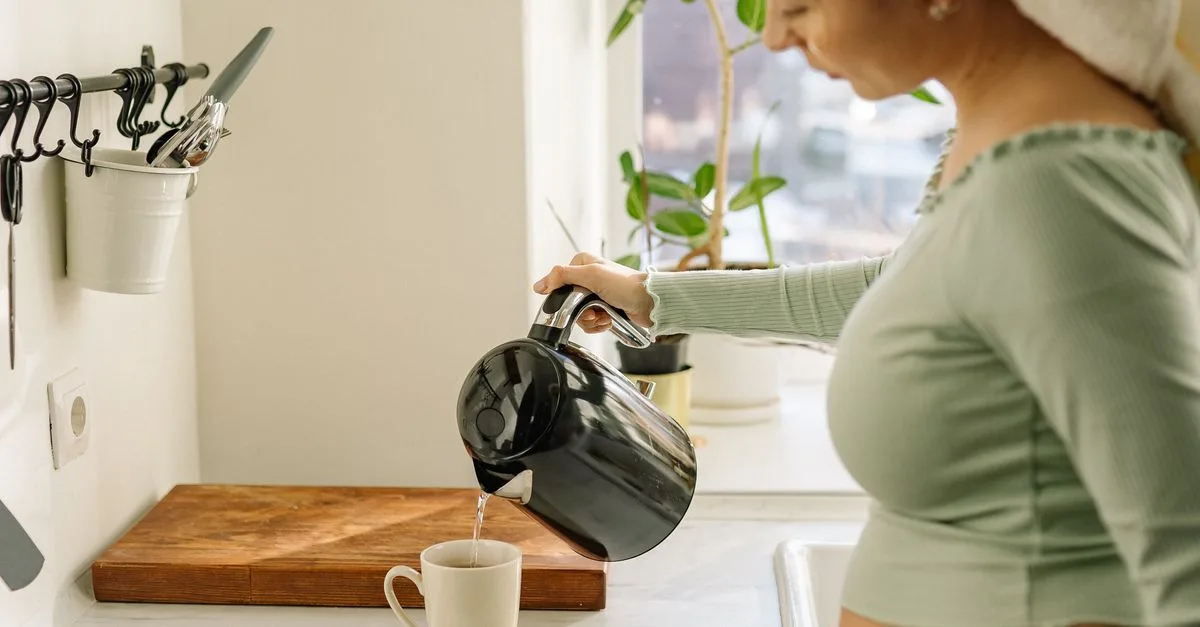
When you’re a busy parent, the secret is thinking small. You may not get a free hour, but you can almost always find five minutes — and tiny moments add up. Sip your coffee while it’s still hot, step outside for a few deep breaths, stretch while the kettle boils, or listen to one favorite song. Lock the bathroom door for two quiet minutes if you need to. These micro-moments of care won’t solve everything, but they punctuate your day with small resets that keep you from running completely on empty. Done consistently, five minutes here and there genuinely adds up.
Self-Care for Exhausted Parents
Let’s be honest — for many parents, the biggest self-care need is simply rest. Sleep deprivation makes everything harder, so protecting your rest matters more than any elaborate routine. Go to bed a little earlier instead of “catching up” on chores or scrolling, nap when you genuinely can, and lower your standards on non-essentials so you’re not running yourself into the ground. Rest isn’t lazy; it’s how you refill your tank so you can show up for your kids. If you’re constantly exhausted, give yourself full permission to prioritize sleep over almost everything else.
Share the Load and Ask for Help
You were never meant to do it all alone. Sharing the load — with a partner, family, friends, or other parents — isn’t a failure; it’s how parenting is supposed to work. Be specific when you ask: “Can you take the kids for an hour Saturday morning?” is easier to say yes to than a vague request. Swap childcare with another parent so you each get a break. Let go of the idea that you must earn rest by doing everything yourself. Accepting and asking for help is one of the most important — and hardest — forms of self-care for parents.
Protect a Little Bit of “You”
It’s easy to lose yourself in parenting, but holding on to a small piece of your own identity matters. Keep one hobby, interest, or friendship alive, even in a tiny way — a few pages of a book, a short walk with a friend, ten minutes on something that’s just yours. You’re a whole person, not only a parent, and nurturing that makes you happier and more grounded. Your kids benefit from seeing a parent who has interests and joy of their own. Protecting even a sliver of “you” time isn’t selfish — it keeps you feeling like yourself.
Build Tiny Routines Into Your Day
Routines make self-care automatic, so you don’t have to find willpower in the chaos. Anchor small acts of care to things you already do: a few deep breaths at every red light, a gratitude thought while brushing your teeth, a short stretch after the school drop-off, a calming wind-down once the kids are in bed. By tying tiny self-care habits to existing parts of your day, they happen reliably without extra effort. Over time these small, built-in routines become a steady source of calm woven right through your busy days.
Self-Care for Single Parents
Single parents carry an especially heavy load, often without a built-in partner to share it — which makes self-care both harder and more essential. Lean on your wider circle: family, friends, neighbors, and other single parents who understand. Trade childcare, accept offers of help without guilt, and build a small support network you can call on. Use tiny pockets of time fiercely — once the kids are asleep, protect a little of that evening for yourself rather than only chores. You’re doing the work of two, so be extra gentle with yourself and let go of any standard that isn’t truly necessary.
Remember: You’re Modeling Self-Care
Here’s a reframe that helps many guilt-prone parents: when you care for yourself, you’re teaching your children to do the same. Kids learn far more from what we do than what we say. Seeing a parent rest when tired, set boundaries, ask for help, and treat themselves with kindness shows them that their own needs matter too. By modeling healthy self-care, you’re giving your children a lifelong gift — permission to look after themselves as adults. So your self-care isn’t taking something away from your family; it’s quietly teaching them one of life’s most important skills.

Why is self-care so hard for busy parents?
Parents often pour all their time and energy into their children, leaving little for themselves. Packed schedules, exhaustion, and guilt about taking time away can all make self-care feel impossible or selfish.
Recognizing this is the first step. Parental self-care has to be realistic and guilt-free, woven into a busy life rather than requiring hours you simply do not have.
What are realistic self-care ideas for parents?
Realistic self-care for parents is small and doable: a few deep breaths, a quiet cup of tea, a short walk, a hot shower, a few pages of a book, or a moment of stillness after the kids are asleep.
These little pockets of calm add up. The goal is not elaborate pampering but tiny, restorative moments that fit into the gaps of a busy parenting day.
How do you find time for self-care with kids around?
Look for small windows: early mornings, nap times, after bedtime, or while children are occupied. Even a few minutes count, and pairing self-care with existing routines helps it happen.
Lowering your expectations of what self-care “should” look like helps enormously. A five-minute reset is far more achievable, and still restorative, than waiting for a free hour that rarely comes.
How do you practice self-care with no childcare?
When you cannot get a break, bring calm into parenting itself. Deep breathing while holding your baby, a mindful moment during play, or involving the children in gentle, calming activities all count.
You can also trade time with a partner or friend where possible. And remember that even brief moments of rest during the day, however small, genuinely help you recharge.
Why isn’t parental self-care selfish?
Caring for yourself is what allows you to care well for your children. A depleted, exhausted parent has little to give, while a rested, calmer parent shows up with more patience and presence.
You cannot pour from an empty cup. Far from being selfish, looking after your own wellbeing is one of the most loving things you can do for your family.
How do you involve the family in self-care?
Self-care can be shared. Family walks, quiet reading time together, calming bedtime routines, or simple breathing exercises with your children benefit everyone and model healthy habits.
Involving the family also removes the guilt of stepping away, since you are caring for yourself with them, not apart from them. It teaches children that looking after your wellbeing matters.
How do you let go of parent guilt?
Many parents feel guilty taking any time for themselves, but this guilt helps no one. Reminding yourself that your wellbeing directly benefits your children can ease it.
Start small and notice how much better you show up after even a little self-care. Over time, seeing the positive effect on your patience and mood makes it easier to prioritize yourself without guilt.
Frequently Asked Questions
How can busy parents practice self-care with no time?
Through micro-moments — quiet morning minutes, a few deep breaths, a short walk, a proper meal, ten minutes of something that’s yours. Small consistent care beats the rare big treat you keep postponing.
Is it selfish for parents to focus on self-care?
No — depleted parents are more stressed and less present. Caring for yourself is what lets you show up for your family, and it models healthy habits for your kids. It’s maintenance, not indulgence.
What’s the most important self-care for tired parents?
Protecting sleep where possible, accepting help, setting boundaries, and lowering the perfection bar. These preserve your limited energy more than any single treat.
How do I deal with guilt about taking time for myself?
Reframe it: caring for yourself is part of caring for your family, and a rested, calmer parent benefits your kids more than a perfect, burned-out one. Treat yourself with the kindness you’d give a friend.
Key Takeaways
- Parent self-care is about small, realistic micro-moments — not long escapes.
- It’s not selfish: a cared-for parent is more present and models healthy habits.
- Protect morning minutes, take micro-breaks, move, lower the bar, and accept help.
- Set boundaries and fold self-care into family time so you don’t have to choose.
- Let go of perfection and guilt — and seek professional help if you’re persistently struggling.
You give so much as a parent — you deserve care too, and your family benefits when you get it. Start with one small moment that’s yours today. For more, read our guide to building a self-care routine and explore more Self-Care Routines.

I'm Khan Laila, the founder and editor of The Self-Care Edit. I'm a dedicated self-care enthusiast and researcher (not a medical professional) on a mission to make relaxation, better sleep, and everyday wellbeing simpler and more accessible. I write and curate every guide here with genuine care, honest product picks, and a firm belief that self-care should be realistic and guilt-free.