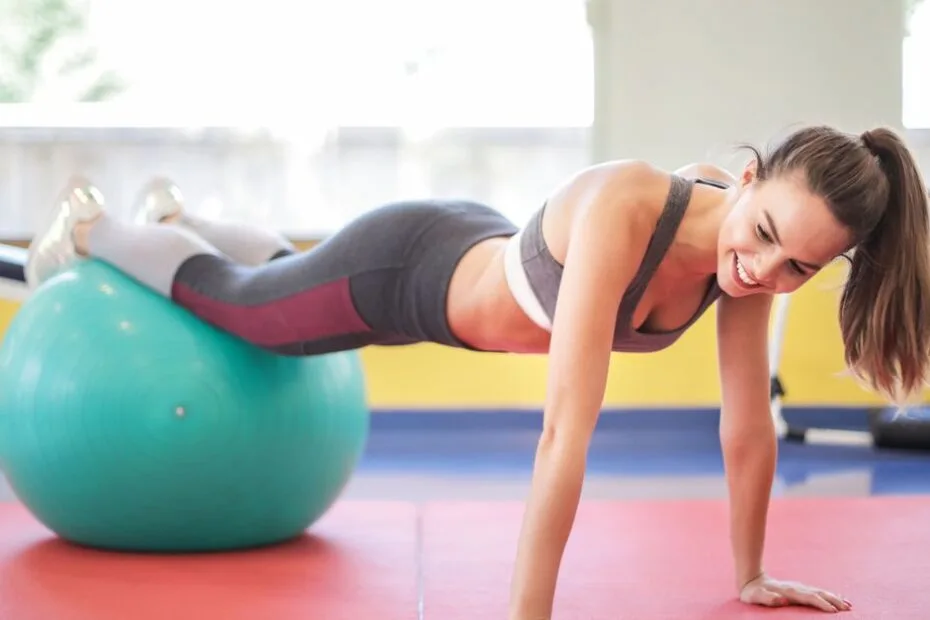
Movement snacks — also called exercise snacks — are short bursts of physical activity, usually one to five minutes, sprinkled throughout your day. Think a set of squats between meetings, a brisk stair climb, or a two-minute stretch. They are a realistic way to stay active when you have no time for a full workout.
Also Read


This guide explains what movement snacks are, why these tiny workouts are surprisingly effective, dozens of easy examples, and how to build them into even the busiest day.
What are movement snacks?
Movement snacks are brief, standalone bouts of exercise done throughout the day instead of in one long session. Each “snack” might last just 30 seconds to a few minutes.
The name says it all: just as snacks are small bites between meals, movement snacks are small bites of activity between everything else. They make fitness feel doable rather than daunting.
Key takeaways
- Movement snacks are short bursts of activity spread across your day.
- They fit busy schedules when a full workout feels impossible.
- They break up long sitting, which benefits your health.
- Consistency adds up — small bouts accumulate into real activity.
- No equipment or gym is required to start.
Why do micro-workouts work?
Movement snacks work because activity accumulates. Several short bouts across the day add up to meaningful movement, and each one gets your heart pumping and muscles working.
They also tackle a modern problem: long, unbroken sitting. Breaking up sedentary time with frequent movement supports energy, circulation, and metabolic health in ways that one workout followed by hours of sitting cannot.
Movement snacks vs a full workout
A structured workout is still wonderful if you have the time. But movement snacks are not about replacing that — they are about adding activity on days when a full session is not going to happen.
For many busy people, the real choice is not “snack or gym” — it is “snack or nothing.” A few minutes of movement always beats sitting all day.
Benefits for busy people
The biggest benefit is accessibility. When you cannot carve out 45 minutes, you can almost always find one or two. That removes the all-or-nothing thinking that stops many people from moving at all.
Movement snacks also boost energy and mood in the moment, giving you a natural lift between tasks. This makes them a self-care tool as much as a fitness one.
Benefits for desk workers
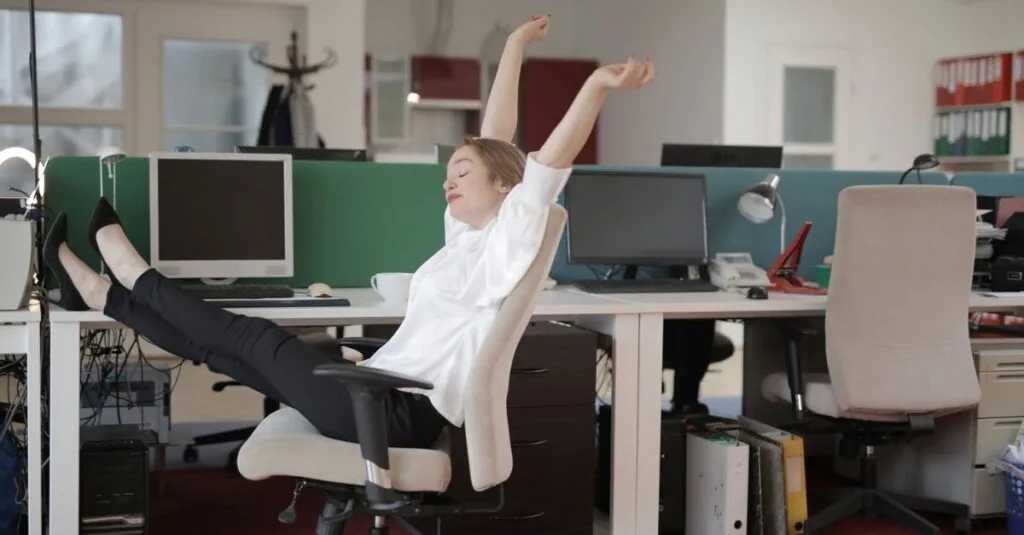
If you sit for work, movement snacks are especially valuable. Standing up and moving every hour counteracts the stiffness, low energy, and health effects of prolonged sitting.
A quick set of squats, a lap around the office, or a stretch resets both your body and your focus. Our guide on how to relax after work pairs well for winding down once the day is done.
Quick strength movement snacks
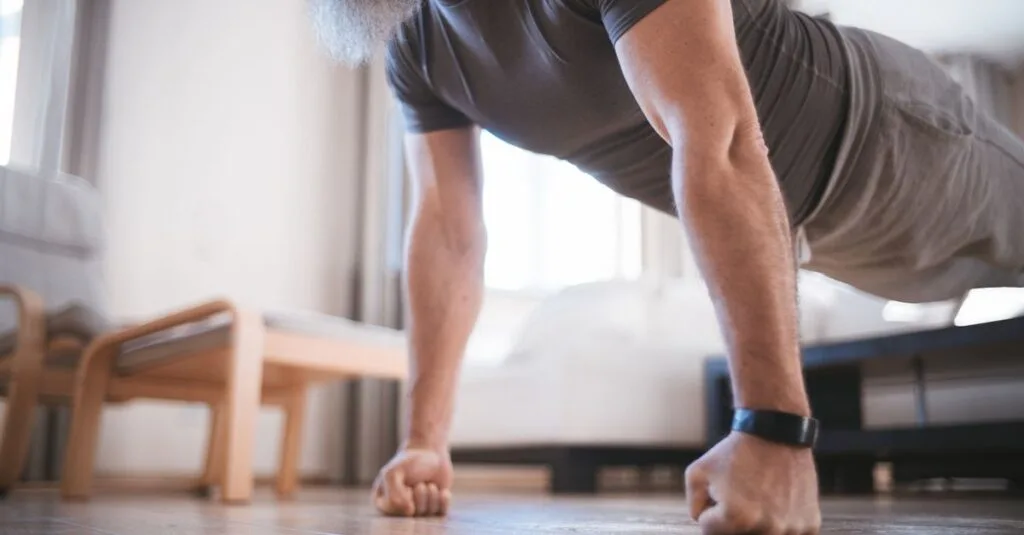
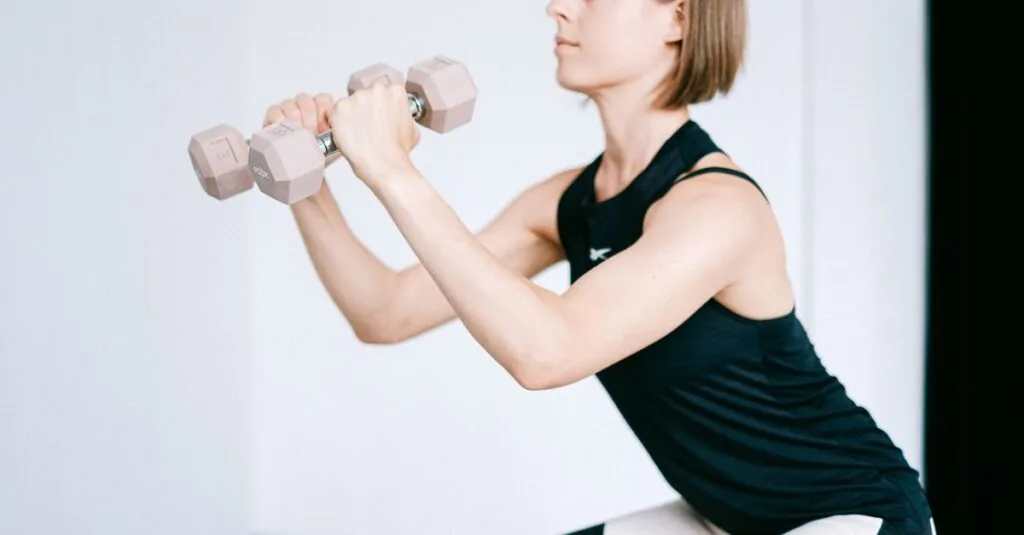
Bodyweight strength moves make perfect snacks. Try a set of squats, wall push-ups, lunges, calf raises, or a short plank. Each takes under a minute and needs no equipment.
Do a set whenever you have a spare moment — while the kettle boils, between calls, or during ad breaks. Over a day, these small sets build real strength.
Quick cardio movement snacks
For a heart-rate boost, climb a flight of stairs briskly, march or jog in place, do jumping jacks, or dance to one song. Even 60 seconds of vigorous movement counts.
Taking the stairs instead of the elevator or walking briskly on a phone call are easy ways to sneak cardio snacks into an ordinary day.
Quick mobility and stretch snacks
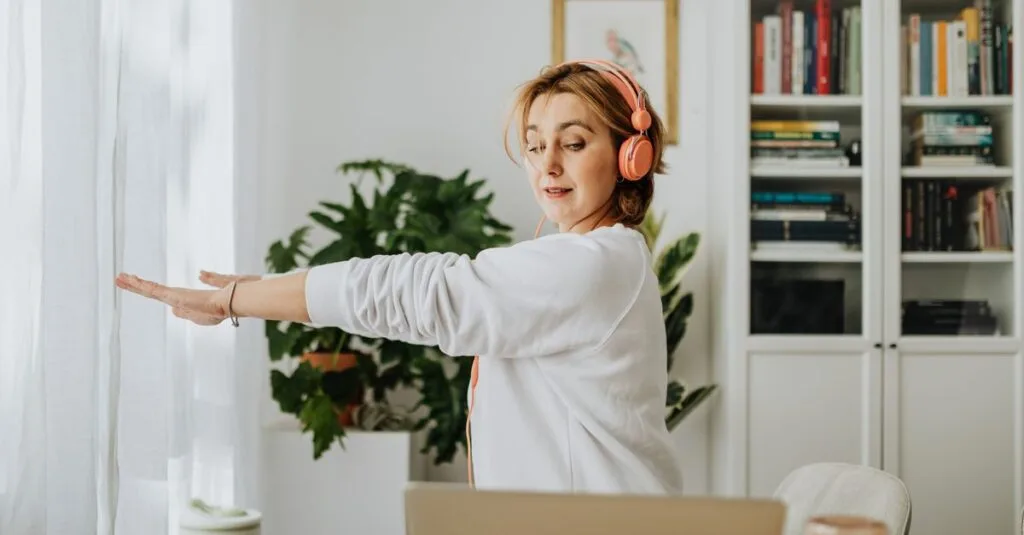
Not every snack has to raise your heart rate. Gentle mobility — neck rolls, shoulder circles, a standing back stretch, or a hip opener — relieves tension from sitting.
These are ideal at your desk and double as stress relief. For deeper tension release, our guides to somatic exercises and using a foam roller go further.
How to fit movement snacks into a workday
Anchor snacks to things you already do. Move after every coffee, at the top of each hour, before lunch, or between meetings — using existing moments as cues.
A simple timer or calendar reminder helps at first. Keeping a yoga mat or resistance band in view also nudges you to move.
How to fit them into a busy home life
At home, pair movement with daily tasks: calf raises while cooking, squats while brushing your teeth, or a stretch while the coffee brews. Parents can even involve the kids.
These “habit-stacked” snacks require zero extra time in your schedule — they piggyback on things you were already doing. See our tips on self-care for busy parents for more realistic ideas.
How often should you do movement snacks?
Aim to move a little every hour or so, and fit in several snacks across the day. There is no strict rule — more frequent movement is simply better than long, unbroken sitting.
Remember that snacks supplement, rather than fully replace, general activity. If you can also fit in longer walks or workouts sometimes, wonderful — but on hectic days, snacks keep you moving.
How to build the movement-snack habit
Start tiny — one or two snacks a day — so it feels effortless, then add more as it becomes automatic. Attaching each snack to an existing routine makes it stick.
Consistency beats intensity here. Our guide on building better habits that actually stick shows how to make small movements a lasting part of your day.
Common movement-snack mistakes
The main mistake is thinking snacks are too small to matter and giving up. They add up — trust the accumulation. Another is skipping a quick warm-up before vigorous moves.
Also avoid turning snacks into a source of pressure. They are meant to feel easy and energizing, so keep them light and enjoyable rather than another chore.
Do movement snacks really improve fitness?
Emerging research on short, vigorous bursts of daily activity is encouraging, linking them to real health benefits. Breaking up sitting is also well supported by science.
Movement snacks are a genuinely effective way to stay active, especially compared with doing nothing. As always, if you have a health condition or are new to exercise, check with your doctor before starting anything vigorous.
A helpful resource for movement snacks
You need nothing to start, but a set of resistance bands is inexpensive, portable, and makes strength snacks at your desk or home more effective.
🏋️ Shop resistance bands on Amazon →
Movement snacks and the problem with sitting
Long, unbroken sitting is hard on the body regardless of whether you exercise later. Movement snacks directly address this by interrupting sedentary time throughout the day.
Standing and moving even briefly every hour keeps your circulation, energy, and muscles active. This is one of the clearest, best-supported reasons to snack on movement.
Movement snacks for energy and focus
A quick burst of movement is a natural energizer. When your focus fades mid-afternoon, a minute of squats or a brisk walk often beats another coffee.
Movement increases blood flow to the brain and lifts your mood, so you return to your task sharper and more motivated. It is a productivity tool disguised as exercise.
Movement snacks vs a daily walk
A daily walk is fantastic, and movement snacks are not meant to replace it. Ideally you do both — but on days a walk does not happen, snacks keep you moving.
The two also complement each other: snacks break up sitting during the day, while a walk gives you a longer, steady dose of activity. Together they cover all bases.
Movement snacks for small spaces
You need very little room. Squats, wall push-ups, calf raises, marching in place, and standing stretches all fit in the space beside your desk or bed.
This makes movement snacks perfect for apartments, offices, and travel. No gym, no equipment, and no excuses about space required.
Gentle movement snacks for older adults
Movement snacks suit all ages. Older adults can do seated leg lifts, gentle chair squats, calf raises, and balance practice like standing on one foot near support.
Little and often is especially valuable later in life for maintaining strength and balance. As always, anyone with health conditions should check with their doctor first.
Movement snacks and weight management
Movement snacks alone are not a weight-loss program, but they do add activity and burn energy that would otherwise be spent sitting still.
Combined with balanced eating and other movement, that extra daily activity supports a healthy weight. The honest benefit is consistency — small efforts that actually happen.
Movement snacks for mental health
Short movement breaks reduce stress hormones and release feel-good endorphins, giving your mood a quick lift. They are a simple, effective mental-health tool.
Stepping away from a screen to move also breaks rumination and resets your headspace. Our complete guide to stress relief covers more ways to feel better fast.
Fun movement snack ideas
Movement does not have to be serious. Dancing to one favorite song, a quick game of tag with the kids, or shadow-boxing all count and lift your mood.
Choosing movement you enjoy makes the habit effortless. The best movement snack is one you actually look forward to doing.
Movement snacks with kids
Involving children turns movement into play. Do star jumps together, have a dance party, or race up the stairs — everyone benefits and it models healthy habits.
Busy parents often struggle to find solo workout time, so folding movement into family moments is a realistic win. See our self-care for busy parents guide for more.
How to track your movement snacks
A simple tally, a habit-tracker app, or a note on your phone can help you notice how many snacks you fit in — and gently nudge you to add more.
Seeing your movement add up is motivating. But keep tracking light and encouraging, never a source of pressure or guilt on busier days.
Movement snacks on busy or travel days
Hectic and travel days are exactly when movement snacks shine. Airport walks, hotel-room squats, and stretch breaks on long drives keep you moving when routines fall apart.
Because they need no equipment or time block, snacks are the most travel-proof form of exercise there is. A little movement anywhere beats none.
A sample day of movement snacks
It might look like: calf raises while the coffee brews, a stair climb mid-morning, a desk stretch before lunch, squats in the afternoon, and a dance to one song after work.
That is barely ten minutes total, scattered painlessly through the day — yet it adds up to real, mood-boosting activity you actually completed.
Why tiny workouts beat none at all
The real power of movement snacks is psychological as much as physical: they dissolve the all-or-nothing mindset that keeps so many people completely sedentary.
When you accept that one minute of movement is worthwhile, you stop waiting for the perfect hour that never comes — and you actually move. Done consistently, those small wins reshape both your fitness and your relationship with exercise.
Frequently Asked Questions
What exactly is a movement snack?
A movement snack, or exercise snack, is a short burst of physical activity — usually 30 seconds to five minutes — done throughout the day rather than in one long workout. Examples include a set of squats, a brisk stair climb, jumping jacks, or a quick stretch. The idea is to accumulate activity in small, manageable bites that fit any schedule.
Are movement snacks as good as a full workout?
They serve slightly different purposes. A structured workout is great if you have time, but movement snacks are ideal when you do not. Several short bouts across the day add up to real activity and break up harmful sitting. For most busy people, the honest choice is between snacking on movement or not moving at all — and snacks win every time.
How many movement snacks should I do a day?
There is no strict number. A good aim is to move a little every hour or so and fit in several snacks across the day. More frequent movement is better than long stretches of sitting. Start with one or two snacks daily to build the habit, then add more as it becomes second nature.
Do I need any equipment for movement snacks?
No. Most movement snacks — squats, push-ups, stair climbs, stretches, marching in place — need nothing but your body and a little space. If you want to add resistance, inexpensive tools like resistance bands or a yoga mat can help, but they are entirely optional. The point is that anyone can start right now.
Can movement snacks help with stress?
Yes. Short bursts of movement release tension, boost mood, and give you an energizing mental break, making them a self-care tool as well as a fitness one. A quick stretch or walk between tasks can reset a stressful moment. For a fuller approach, combine them with breathing and relaxation techniques.
The bottom line
Movement snacks make staying active realistic for even the busiest life. By sprinkling short bursts of squats, stairs, and stretches through your day, you accumulate real activity without ever needing a gym or a spare hour.
Pick one cue today — after every coffee, say — and add a one-minute movement snack. For a broader routine, explore our complete guide to building a self-care routine.

I'm Khan Laila, the founder and editor of The Self-Care Edit. I'm a dedicated self-care enthusiast and researcher (not a medical professional) on a mission to make relaxation, better sleep, and everyday wellbeing simpler and more accessible. I write and curate every guide here with genuine care, honest product picks, and a firm belief that self-care should be realistic and guilt-free.