Affiliate disclosure: As an Amazon Associate, The Self-Care Edit earns from qualifying purchases, at no extra cost to you. We only recommend products we love. This is for general wellness and is not medical advice.
Also Read



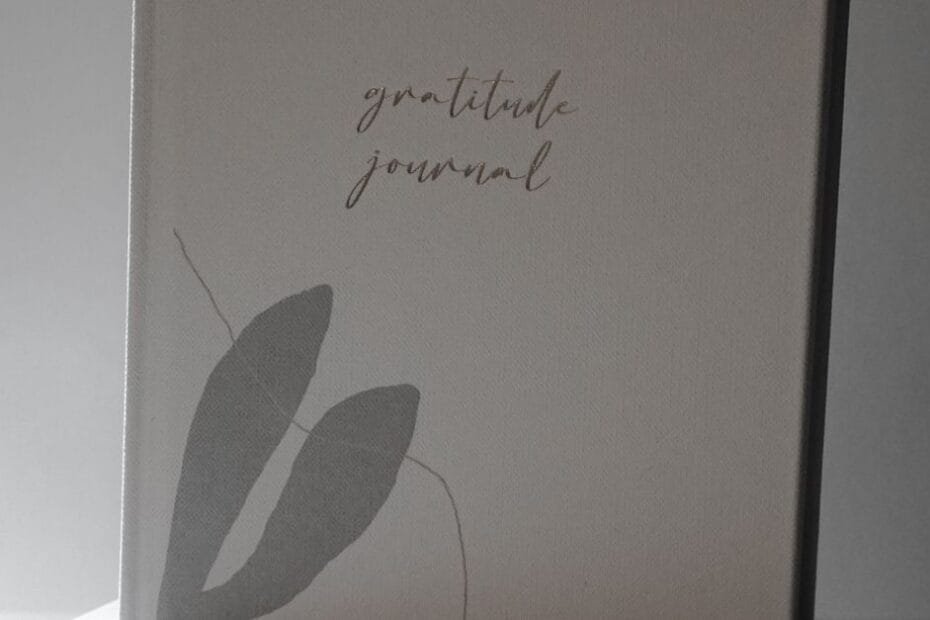
I was skeptical about journaling for years — it felt like something for other, more organized people. Then a particularly anxious season pushed me to try a guided gratitude journal, just five minutes a night. Within a few weeks, I genuinely noticed my mind felt quieter and my mood steadier. There’s real power in getting the swirl of thoughts out of your head and onto paper, and the right journal makes it almost effortless.
Here are the 12 best journals for mindfulness, gratitude, and mental clarity — for anxiety, self-reflection, goal-setting, and daily calm. Whether you want structured prompts or a blank page, there’s one here for you. Explore more in our books & journals.
Why journaling actually helps
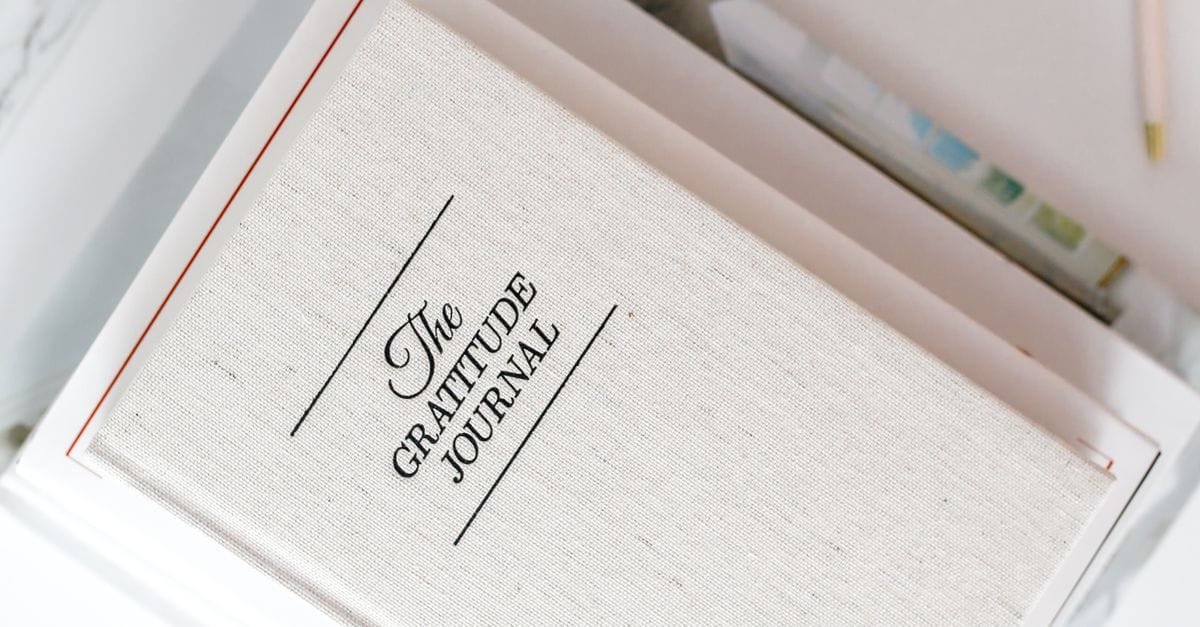
Journaling isn’t just “dear diary.” Putting thoughts into words helps you process emotions, spot patterns, and let go of mental clutter — which is why it’s a common tool in mindfulness and self-reflection practices. Gratitude journaling in particular has been widely studied for its links to improved mood and outlook. The benefit comes from consistency, not perfection — even a few minutes a day adds up. A good journal removes the “what do I write?” barrier with gentle prompts and structure.
How to choose the right journal
- Guided vs blank — prompts help beginners; blank pages suit free writers.
- Your goal — gratitude, anxiety relief, goal-setting, or general reflection.
- Time commitment — 5-minute formats are realistic for busy lives.
- Undated vs dated — undated means no guilt if you skip days.
- Feel — a journal you find beautiful is one you’ll actually use.
The 12 best journals
1. Best overall — 5-minute gratitude journal
A structured five-minute journal with simple morning and evening prompts (gratitude, intentions, reflections) is the easiest way to build a daily habit. Low effort, high reward — the one I recommend to absolutely everyone starting out.
- ✅ Quick, foolproof daily habit
- ✅ Boosts mood & perspective
- ❌ Structured — less free-form space
2. Best for anxiety
An anxiety-focused journal offers prompts to unpack worries, challenge anxious thoughts, and ground yourself. Getting fears onto paper genuinely loosens their grip. A gentle, supportive tool for stressful seasons.
- ✅ Helps process worries
- ✅ Calming, supportive prompts
- ❌ Supports, doesn’t replace, professional help
3. Best mindfulness journal
A mindfulness journal encourages present-moment awareness with prompts about your senses, feelings, and daily moments — a lovely way to slow down and notice your life.
- ✅ Cultivates presence & calm
- ✅ Gentle daily practice
- ❌ Best paired with a quiet moment
4. Best guided self-care journal
A self-care journal blends gratitude, reflection, mood tracking, and self-kindness prompts — a well-rounded companion for looking after your overall wellbeing.
- ✅ Holistic wellbeing focus
- ✅ Includes mood tracking
- ❌ More structure than free writers want
5. Best for goal-setting
If clarity and motivation are your goal, a goal-setting or productivity journal helps you define what matters, break it into steps, and track progress — calming for an overwhelmed, scattered mind.
- ✅ Brings focus & direction
- ✅ Reduces overwhelm
- ❌ Less about emotions, more about action
6. Best dotted bullet journal
For creative, flexible types, a dotted bullet journal is a blank canvas to track habits, moods, gratitude, and to-dos your own way. Endlessly customizable — and the act of designing it is itself calming.
- ✅ Totally customizable
- ✅ Creative & flexible
- ❌ Setup takes time; not for minimalists
7. Best prompted reflection journal
A journal full of thoughtful daily questions makes self-reflection effortless — just answer the prompt. Wonderful for getting to know yourself better over time.
- ✅ Effortless self-reflection
- ✅ A prompt for every day
- ❌ Structured format
8. Best one-line-a-day journal
Short on time? A one-line-a-day journal asks for a single sentence, building a beautiful multi-year record with almost no effort. Perfect for habit-builders and the very busy.
- ✅ Takes under a minute
- ✅ Builds a lasting record
- ❌ Minimal space to expand
9. Best for grief or healing
A guided journal designed for grief or healing offers gentle, compassionate prompts to process difficult emotions at your own pace. A quiet, supportive companion through hard times.
- ✅ Compassionate, gentle prompts
- ✅ Process emotions safely
- ❌ A tool for support, not therapy
10. Best beautiful / luxury journal
Sometimes a gorgeous journal is exactly the motivation you need. A beautifully bound notebook with quality paper makes writing a pleasure you look forward to — and a lovely gift.
- ✅ Beautiful & motivating
- ✅ Great gift
- ❌ Blank — no prompts
11. Best affordable notebook
You don’t need anything fancy to start. A simple, affordable lined or dotted notebook works perfectly for free journaling — the habit matters far more than the cover.
- ✅ Cheap & cheerful
- ✅ Zero pressure to “use it right”
- ❌ No guidance or prompts
12. Best journal with pen set
A journal-and-pen gift set makes a complete, thoughtful present (or a treat for yourself) — everything you need to start the habit in one go. A smooth pen genuinely makes writing more enjoyable.
- ✅ Complete, gift-ready
- ✅ Nice pen = nicer habit
- ❌ Two items to store
How we chose these journals
We balanced guided structure for beginners with flexible options for free writers, covering the most common reasons people journal — gratitude, anxiety, mindfulness, goals, and healing. We favored realistic formats (five-minute and one-line-a-day) because the best journal is the one you’ll actually keep using, and included options at every price point.
How to build a journaling habit that sticks
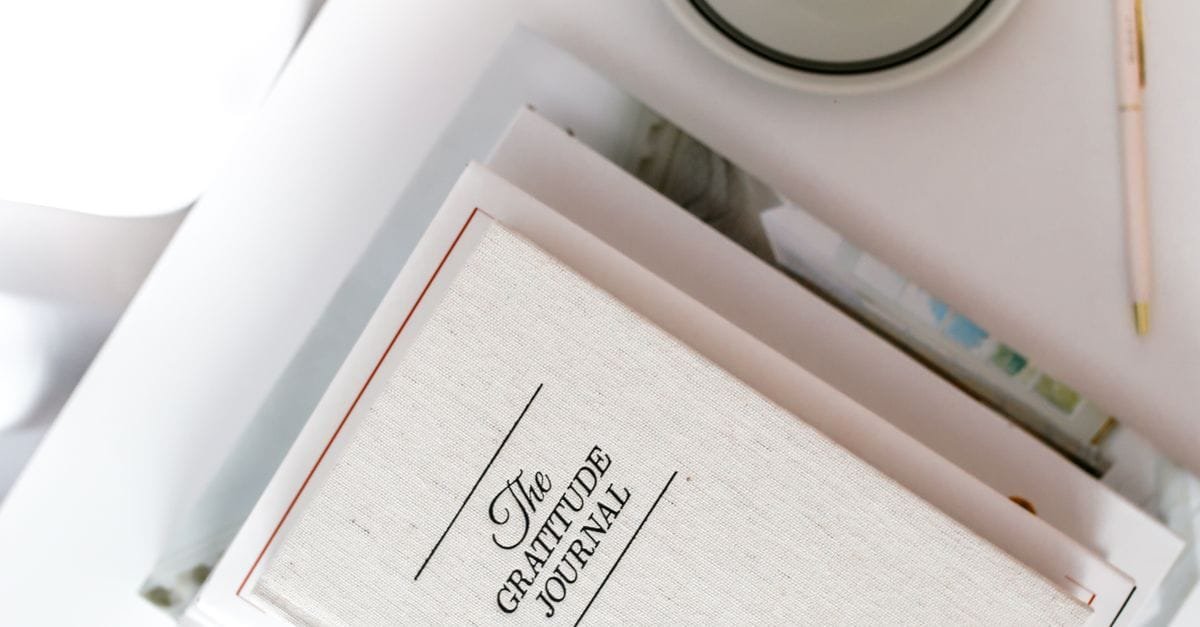
Start tiny — five minutes, or even one line, is plenty. Attach it to an existing habit (after your morning coffee or before bed) so it becomes automatic. Keep the journal somewhere visible, not buried in a drawer. Don’t aim for perfect or profound entries; messy and honest is the point. And forgive missed days — an undated journal removes the guilt. Consistency beats intensity every single time; a few words daily will do more for your mind than an occasional essay.
Mistakes to avoid
- Over-committing — promising long daily entries leads to quitting; start with five minutes.
- Waiting for inspiration — use prompts; don’t wait to “feel like it.”
- Aiming for perfect — there’s no wrong way; just write.
- Guilt over missed days — pick an undated journal and simply restart.
- Hiding it away — keep it visible so you remember to use it.
How do you use a gratitude journal?
Using a gratitude journal is beautifully simple: each day, write down a few things you are grateful for, big or small. Some people prefer mornings to set a positive tone, others evenings to reflect on the day.
There is no wrong way to do it. Writing even three things regularly gently trains your mind to notice the good, which over time can lift your mood and outlook noticeably.
What are the benefits of gratitude journaling?
Regular gratitude journaling can improve mood, reduce stress, and shift your focus toward the positive aspects of life. By deliberately noticing what is going well, you counter the mind’s natural tendency to dwell on the negative.
Many people find it brings a calmer, more content outlook and even better sleep when done in the evening. It is a small, low-effort habit with a genuinely powerful effect on wellbeing.
What makes a good mindfulness journal?
A good mindfulness or gratitude journal has a layout that suits you, whether that is open pages for free writing or gentle prompts to guide reflection. Quality paper and a pleasant design make it more inviting to use.
Prompts can be especially helpful for beginners who are unsure what to write. Choose a journal that feels enjoyable to open, since the more you like it, the more likely you are to keep the habit.
How do you build a journaling habit that lasts?
Keep it small and consistent. Attach journaling to an existing routine like your morning coffee or bedtime, keep the journal visible, and allow yourself to write just a line or two on busy days.
Let go of any pressure for it to be perfect or profound. Forgiving missed days and simply picking it back up is what turns journaling into a lasting, genuinely calming part of your routine.
Frequently asked questions
Does journaling really help mental health?
For many people, yes — writing helps process emotions, reduce mental clutter, and build perspective. Gratitude journaling in particular is linked to improved mood. It supports wellbeing but isn’t a substitute for professional care.
What should I write in a mindfulness journal?
Note what you’re grateful for, how you feel, small moments you noticed, and a gentle intention for the day. Guided journals provide prompts so you never face a blank page.
How often should I journal?
Daily is ideal for building the habit, but even a few times a week helps. Consistency matters more than length — five minutes counts.
What’s the best journal for beginners?
A guided five-minute gratitude journal — the prompts and short format make it easy to start and stick with.
Is it better to journal in the morning or at night?
Either works. Morning journaling sets intentions; evening journaling reflects and winds you down. Pick whichever fits your routine — or do a little of both.
Can journaling help with anxiety?
Many people find that writing worries down loosens their grip and brings clarity. An anxiety-focused journal offers prompts to help — alongside, not instead of, professional support when needed.
Do I need a special journal or will any notebook do?
Any notebook works for free writing. Guided journals simply make it easier with prompts and structure — helpful if you don’t know where to start.
What if I don’t know what to write?
That’s exactly what guided prompts are for. Start with “three things I’m grateful for” and “one thing on my mind” — it’s enough.
Journaling prompts to get you started
If a blank page feels intimidating, start with these simple prompts — pick one or two a day. What are three things I’m grateful for today? What’s one thing on my mind right now? What would make tomorrow feel good? When did I feel calm or happy today? What’s one kind thing I can do for myself this week? What’s worrying me — and is it within my control? What’s a small win I had today? You don’t need to answer all of them or write much — a sentence each is plenty. Over time, these tiny reflections build real self-awareness and a calmer mind.
Paper vs digital journaling
Both work — it’s about what you’ll actually use. Paper journaling has a calming, screen-free quality, and the physical act of writing by hand helps many people process thoughts more deeply. Digital journaling (an app or notes) is convenient, searchable, and always with you on your phone — though the screen can be a distraction at bedtime. If your goal is to wind down and unplug, paper wins; if convenience is what keeps you consistent, digital is better than not journaling at all. Some people happily use both.
How long should I journal each day?
Five minutes is plenty to start — even one line counts. The goal is consistency, not length. As the habit settles, you can write more on days you feel like it.
Will journaling help me sleep better?
Often, yes — a few minutes of evening journaling helps offload worries and to-dos from your mind, which can make it easier to switch off and fall asleep. Many people keep their journal on the nightstand for exactly this.
Can I use one journal for different purposes?
Absolutely — many people blend gratitude, daily reflection, goal notes, and worry-dumping in a single notebook. There’s no rule that says you need separate journals. A flexible dotted or lined notebook lets you do gratitude one day, brain-dump your worries the next, and jot goals when inspiration strikes. The only thing that matters is that you keep coming back to it.
What should I do with old journal entries?
Keep them — rereading old entries is genuinely powerful. You’ll see how far you’ve come, spot recurring patterns, and remember small joys you’d forgotten. Many people find that looking back over a year of entries is one of the most rewarding parts of the whole habit.
Bottom line
Journaling is one of the simplest, most affordable self-care habits there is — and the right journal makes it almost effortless. If you’re just starting, a guided five-minute gratitude journal is the easiest win. Want to ease anxiety or reflect more deeply? Choose a prompted journal built for that. Keep it visible, start small, forgive missed days, and let a few quiet minutes a day gently clear your mind. 📓🌿
— The Self-Care Edit team 🌿

I'm Khan Laila, the founder and editor of The Self-Care Edit. I'm a dedicated self-care enthusiast and researcher (not a medical professional) on a mission to make relaxation, better sleep, and everyday wellbeing simpler and more accessible. I write and curate every guide here with genuine care, honest product picks, and a firm belief that self-care should be realistic and guilt-free.