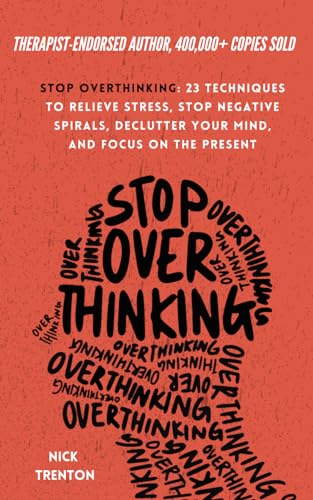
The right book can feel like a wise, calm friend — one who helps you understand your mind, ease your worries, and build healthier habits. There are countless mental-wellness books out there, so this guide highlights ten widely loved, genuinely helpful reads, along with how to choose the ones that fit where you are right now. Whether you’re managing stress, building resilience, or simply curious about your own mind, there’s something here for you.
Also Read



How to Choose the Right Book for You
Before diving in, think about what you actually need. Are you looking to understand anxiety, build better habits, process difficult emotions, or simply feel less alone? Match the book to your current goal. It also helps to consider the author’s background — psychologists, therapists, and researchers bring grounded expertise — and the writing style, since a warm, readable tone matters when the subject is personal. Reading a sample first is a great way to see if a book’s voice resonates with you.

1. The Body Keeps the Score – Bessel van der Kolk
A landmark book on how trauma lives in the body and brain, and how healing is possible. Written by a leading psychiatrist, it blends science with compassion and has helped countless readers understand the link between past experiences and present wellbeing. It’s deeper and heavier than most, but profoundly insightful for anyone exploring how stress and trauma shape us.
2. Feeling Good – David D. Burns
A classic, practical introduction to cognitive behavioral therapy (CBT). Dr. Burns explains how to recognize and reframe the distorted thoughts that fuel low mood and anxiety, with concrete exercises you can use immediately. It’s often recommended as a self-help starting point because the techniques are clear, evidence-based, and genuinely actionable.
3. The Happiness Trap – Russ Harris
An accessible guide to Acceptance and Commitment Therapy (ACT). Rather than fighting difficult thoughts and feelings, Harris teaches you to make room for them while moving toward what matters to you. It gently challenges the idea that we must feel good all the time, offering a more flexible, freeing approach to wellbeing.
4. Why Has Nobody Told Me This Before? – Dr Julie Smith
Written by a clinical psychologist, this is a friendly, practical toolkit of everyday mental-health skills — managing low mood, anxiety, stress, and self-doubt. Its short, dip-in chapters make it easy to find help in the moment, which is why it became such a popular modern favorite.
5. Maybe You Should Talk to Someone – Lori Gottlieb
A warm, funny, deeply human memoir from a therapist who becomes a patient herself. By following real (anonymized) stories, it demystifies therapy and reminds us that everyone struggles. It’s less a how-to and more a moving, reassuring read that makes the inner work of growth feel relatable.
6. Lost Connections – Johann Hari
This book explores the social and environmental roots of depression and anxiety — loneliness, disconnection, and modern life — and the surprising paths to reconnection. It’s a thought-provoking read that widens the conversation beyond the individual, offering hope through community and meaning.
7. Self-Compassion – Dr Kristin Neff
From the leading researcher on the topic, this book makes the case that treating yourself with kindness — rather than harsh self-criticism — is a powerful foundation for resilience and wellbeing. It includes practical exercises to build a gentler, more supportive inner voice.
8. Reasons to Stay Alive – Matt Haig
A candid, beautifully written account of the author’s experience with depression and anxiety, and his journey back to living fully. Honest and ultimately hopeful, it’s a comforting read for anyone going through a hard time, or hoping to understand a loved one who is.
9. The Untethered Soul – Michael A. Singer
A gentle, contemplative look at the voice inside your head and how to find peace by not over-identifying with every thought and emotion. With a spiritual but non-dogmatic tone, it’s popular among readers drawn to mindfulness and inner calm.
10. Atomic Habits – James Clear
While not strictly a mental-health book, its lessons on building tiny, sustainable habits are invaluable for wellbeing — from sleep and exercise to journaling and self-care. Clear, practical, and motivating, it helps you turn good intentions into routines that genuinely stick.
Tips for Getting the Most From These Books
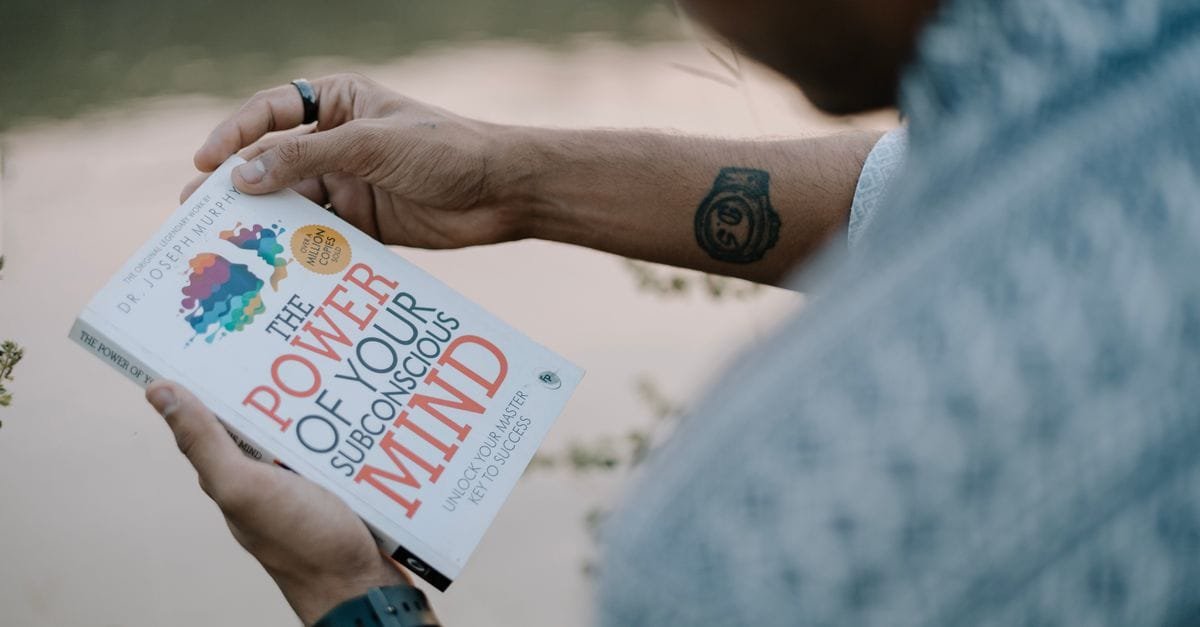
Reading about wellbeing is most powerful when you actually apply it. Go slowly, take notes, and try the exercises rather than just absorbing ideas. It’s fine to read more than one at a time or to revisit a book later — different passages land differently depending on where you are in life. Audiobooks are a great option if you’re busy, and your local library is a free way to sample widely before buying the ones you want to keep.
Where to Find These Books
All of these titles are widely available in print, ebook, and audiobook formats. You can browse the full range of mental wellness books to compare editions and formats, or look specifically for self-compassion and mindfulness reads if that’s where you’d like to start. Libraries and second-hand shops are budget-friendly options too — the goal is simply to get a helpful book into your hands.
A Gentle Note
Books can be wonderfully supportive, but they aren’t a substitute for professional care. If you’re struggling with your mental health — especially if it’s affecting your daily life — please reach out to a doctor or qualified mental-health professional. These reads work beautifully alongside professional support, and seeking help is a sign of strength, never weakness.
A Few More Reads Worth Exploring
If you finish those ten and want more, several other titles are widely respected. Man’s Search for Meaning by Viktor Frankl is a profound classic on finding purpose through hardship. Burnout by Emily and Amelia Nagoski offers practical science on stress and recovery, especially for those feeling depleted. The Gifts of Imperfection by Brené Brown explores self-acceptance and letting go of perfectionism. And Wherever You Go, There You Are by Jon Kabat-Zinn is a gentle, accessible introduction to mindfulness. Each brings a different angle on living with more calm and meaning.
Choosing Books for Specific Challenges
It helps to match your reading to what you’re facing. For anxiety, CBT-based and mindfulness books offer practical tools. For low mood or depression, honest memoirs and evidence-based guides can bring both understanding and hope. For stress and exhaustion, books on burnout and rest are especially relevant. For self-criticism, works on self-compassion are transformative. And for building healthier routines, habit-focused books help turn good intentions into action. Identifying your main challenge first makes it much easier to pick a book that will genuinely meet you where you are.
Building a Reading Habit for Wellbeing
Reading itself is a lovely form of self-care — calming, screen-free, and grounding. To make it stick, build a small daily ritual: a few pages with your morning coffee or before bed, in a cozy spot. Keep your current book visible so it’s easy to pick up. Don’t pressure yourself to finish quickly or read perfectly; even ten minutes counts, and it’s fine to set a book aside if it isn’t serving you. A gentle, regular reading habit not only feeds your mind but also creates a peaceful pause in your day.
Free and Low-Cost Ways to Read More
Caring for your mind through books doesn’t have to be expensive. Your local library is a treasure — free access to print books, ebooks, and audiobooks, often through apps you can use from home. Second-hand shops and book swaps offer cheap finds, and many libraries let you request specific titles. Sampling the first chapter for free before buying helps you avoid books that don’t click. With a little resourcefulness, you can read widely on wellbeing without spending much at all — the value is in the ideas, not the price.
Make What You Read Stick
The real benefit of these books comes from applying them, not just finishing them. Try keeping a small notebook to jot down ideas, exercises, or quotes that resonate, and revisit them. Pick one or two practical takeaways from each book and actually try them in your daily life rather than moving straight to the next read. Talking about what you’ve read — with a friend, partner, or book group — helps it sink in too. Reading plants the seeds; gentle, consistent practice is what helps them grow into real change.
Let Reading Be a Form of Self-Care
Beyond the specific lessons inside them, these books offer something simple and valuable: a quiet, screen-free moment that’s entirely yours. Curling up with a thoughtful book slows your mind, eases stress, and reminds you that you’re actively investing in your own wellbeing. Don’t turn it into another pressure or to-do; let it be a gentle, enjoyable ritual. Whether you read a chapter a night or dip in now and then, the act of making time to understand and care for your mind is itself a meaningful step toward feeling better.
Start Where You Are
With so many wonderful books available, it’s easy to feel unsure where to begin — so don’t overthink it. Pick the one title from this list that speaks most to what you’re going through right now, and simply start there. You can always explore others later. The perfect reading list matters far less than actually opening a book and giving its ideas a chance. Whatever you choose, you’re taking a small, caring step toward understanding yourself better and supporting your own mental wellbeing — and that’s always worth doing.

How do books help with mental wellness?
Books offer understanding, tools, and comfort for your mental wellbeing. Whether they explain what you are experiencing, teach coping strategies, or simply make you feel less alone, they can be genuinely supportive.
Reading is also a calming, screen-free activity in itself. A good mental-wellness book can be a gentle companion, offering insight and encouragement you can return to whenever you need it.
What types of mental wellness books are there?
There is great variety, from practical self-help guides and workbooks to memoirs, books on mindfulness and habits, and gentle, comforting reads. Each serves a different need and mood.
Some people want actionable strategies, others prefer relatable stories or soothing reflection. Knowing what you are looking for helps you choose a book that will genuinely resonate and help.
How do you choose the right book for you?
Start with what you need most right now, whether that is managing anxiety, building better habits, understanding your emotions, or simply feeling comforted. Then look for well-regarded books in that area.
Reading a few reviews or sample pages helps you find a tone and style you connect with. The best book is one you will actually enjoy reading and return to, so pick something that appeals to you.
Can self-help books replace therapy?
Self-help and mental-wellness books are wonderful tools, but they are not a substitute for professional care. They can support your wellbeing, teach useful skills, and complement therapy beautifully.
However, if you are struggling with persistent or serious mental-health difficulties, please reach out to a therapist or doctor. Books work best alongside professional support when it is needed, not instead of it.
How do you get the most from a wellness book?
Read actively rather than passively. Take notes, try the exercises, reflect on how the ideas apply to your life, and give yourself time to absorb and practice what resonates.
A single insight put into action is worth more than a whole book merely skimmed. Approaching a wellness book as a gentle guide to practice, not just information to consume, makes it far more valuable.
What about audiobooks and workbooks?
Audiobooks are a great option if you find reading hard to fit in, letting you absorb wellness content while walking or commuting. Workbooks, meanwhile, offer structured exercises to actively build skills.
Both are excellent alternatives or companions to traditional books. Choosing the format that fits your life makes it far more likely you will actually engage with and benefit from the content.
How do you build a reading habit for wellness?
Start small and make it easy. Keeping a book by your bed, reading just a few pages a day, and swapping a little screen time for reading all help the habit take root without pressure.
Choosing books you genuinely enjoy matters most, since you will read more when it feels like a pleasure rather than a task. Over time, a few minutes of calming reading each day becomes a cherished, restorative ritual.
Frequently Asked Questions
Which book should I start with? If you want practical tools, try Feeling Good or Why Has Nobody Told Me This Before?. For something gentler and more personal, Maybe You Should Talk to Someone is a lovely starting point.
Can self-help books really help? Many people find them genuinely useful, especially evidence-based ones. They work best when you apply the ideas — and alongside professional support if you need it.
Are audiobooks just as good? Absolutely. For busy people, audiobooks make it easy to absorb these ideas during commutes, walks, or chores.
Key Takeaways
A good mental-wellness book can offer understanding, practical tools, and genuine comfort. Choose one that matches your current need — whether that’s managing anxiety, building habits, practicing self-compassion, or simply feeling less alone. Apply what you read, take it at your own pace, and lean on libraries to explore freely. And remember: books are a wonderful companion to professional care, not a replacement for it.

I'm Khan Laila, the founder and editor of The Self-Care Edit. I'm a dedicated self-care enthusiast and researcher (not a medical professional) on a mission to make relaxation, better sleep, and everyday wellbeing simpler and more accessible. I write and curate every guide here with genuine care, honest product picks, and a firm belief that self-care should be realistic and guilt-free.