
Self-care for introverts is all about protecting your alone time, minimizing overstimulation, and recharging through quiet, meaningful activities rather than social ones. Where extroverts gain energy from people, introverts restore it in solitude — so the most powerful self-care is permission to slow down, be alone, and do things your own gentle way. This guide shares practical, introvert-friendly ways to recharge and protect your energy.
Also Read



If big social events leave you drained and a quiet evening at home feels like heaven, you’re likely an introvert — and your self-care needs look a little different. The world often rewards being outgoing, which can leave introverts feeling guilty for needing space. But honoring how you’re wired isn’t selfish; it’s essential. Here’s how to care for yourself in a way that genuinely fills your cup.
Why Introverts Need Different Self-Care
Introverts and extroverts recharge in opposite ways. Extroverts feel energized by socializing and external stimulation, while introverts find that same stimulation draining and restore their energy through solitude and calm. This means typical “treat yourself” advice — go out, see friends, be social — can actually leave an introvert more depleted. Effective self-care for introverts honors their need for quiet, depth, and downtime. Understanding this difference is freeing: you’re not antisocial or doing self-care “wrong,” you simply refuel differently, and that’s perfectly okay.
Understanding Your Energy as an Introvert
Think of your social energy like a battery. Every interaction, errand, and busy environment draws it down, and only quiet, restful alone time recharges it. Introverts often have a smaller “social battery” that drains faster, especially in loud or crowded settings. The key is learning to monitor your levels and recharge before you hit empty, rather than pushing through to burnout. Once you start treating your energy as a precious, limited resource to protect, self-care becomes much more intuitive — you simply give yourself what you need before you crash.
Signs You Need to Recharge
Introverts often push past their limits before realizing it. Watch for signs of overstimulation: feeling irritable or short-tempered, mentally foggy or exhausted, craving silence, feeling overwhelmed in groups, or a strong urge to escape and be alone. Physical signs like tension headaches or restlessness can show up too. These are your cues to step back and recharge. The sooner you notice and honor them, the quicker you bounce back — ignoring them only leads to deeper depletion and burnout.
1. Fiercely Protect Your Alone Time
Alone time isn’t a luxury for introverts — it’s how you recharge, so treat it as non-negotiable. Block out solo time in your schedule the way you would an important appointment, and protect it. Whether it’s an hour with a book, a quiet morning before everyone wakes, or an evening to yourself, this time restores your energy and clarity. Don’t feel guilty for needing it; you’ll show up far better for others when your own cup is full. Guard your solitude like the essential self-care it is.
2. Recharge with Quiet Solo Activities
Introverts thrive on calm, absorbing activities done alone. Reading, journaling, creative hobbies, gentle walks, cooking, gardening, listening to music, or simply daydreaming all restore energy beautifully. Journaling in particular is a wonderful outlet for the rich inner world many introverts have — see our guide to journaling for stress relief. Choose activities that feel nourishing rather than draining, and give yourself full permission to enjoy them. A guided self-care journal can make a lovely companion for quiet, reflective evenings.
3. Set Boundaries Around Socializing
You don’t have to say yes to every invitation. It’s okay to decline plans, leave events early, or limit how many social commitments you take on in a week. Quality over quantity is the introvert’s motto — a few meaningful connections beat a packed social calendar. Communicate your needs kindly but clearly, and remember that protecting your energy isn’t rejecting others. Learning to set these boundaries is one of the most important self-care skills for introverts — see our guide to setting boundaries.
4. Create a Calm, Quiet Space
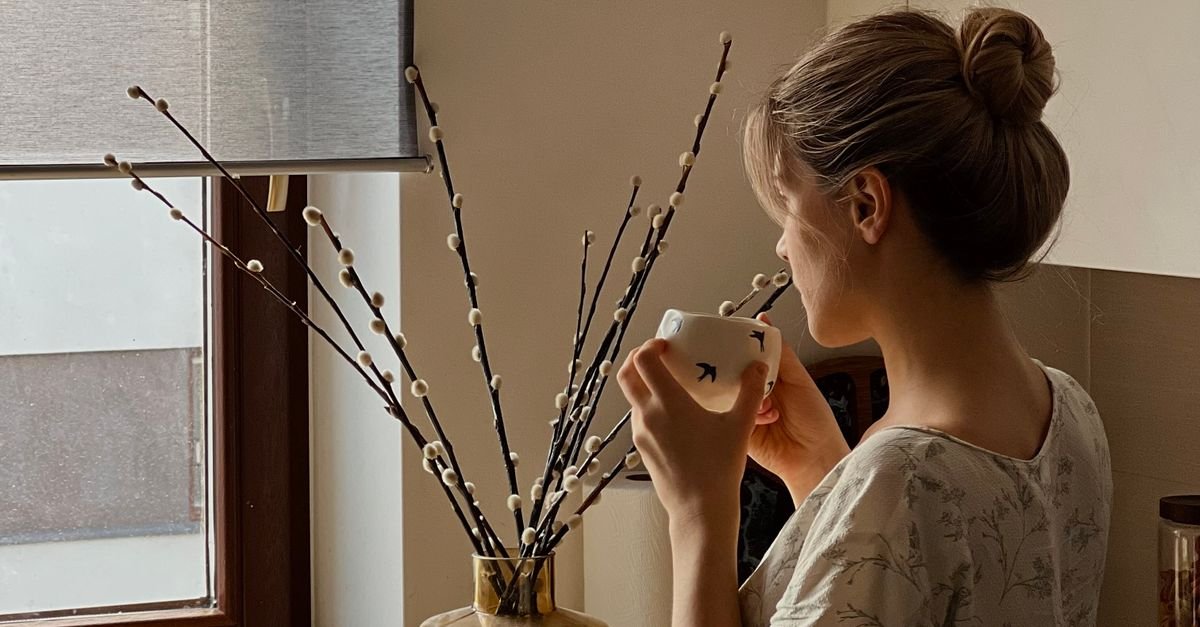
Having a peaceful retreat to come home to makes a huge difference. Set up a cozy, low-stimulation space — soft lighting, comfortable seating, minimal clutter and noise — where you can decompress. This becomes your sanctuary to recharge after a busy or social day. Even a single corner with a comfy chair, a blanket, and a warm drink can work. A quiet, calming environment helps your overstimulated nervous system settle, turning your home into the restorative haven introverts especially need.
5. Limit Digital Overstimulation
It’s not just in-person socializing that drains introverts — constant notifications, group chats, and social media create their own overstimulation. Giving yourself regular breaks from screens and online noise protects your limited energy and quiets your busy mind. Try silencing notifications, setting screen-free times, and stepping back from the endless scroll. Our guide to doing a digital detox can help. Reducing digital input leaves more space for the calm, focused solitude introverts genuinely crave.

6. Spend Time in Nature
Nature is the perfect introvert recharge — calming, quiet, and free of social demands. A solo walk in the woods, time by water, or simply sitting in a garden lets your nervous system settle and your mind wander. The gentle, low-stimulation environment of natural spaces is deeply restorative for introverts. You can be alone with your thoughts, away from screens and crowds, and return feeling refreshed. Make solo time outdoors a regular part of your self-care, even if it’s just a quiet stroll.
7. Honor Your Need for Depth
Introverts tend to crave depth over surface — deep conversations, meaningful work, and time to think. Honor this by seeking out one-on-one connections rather than large groups, giving yourself time to reflect, and engaging in activities that feel purposeful. Don’t force yourself into shallow small talk or constant busyness that leaves you empty. Leaning into your natural depth — whether through meaningful relationships, absorbing hobbies, or quiet contemplation — is its own powerful form of self-care that leaves you feeling genuinely fulfilled.

Self-Care After Socializing
Even introverts socialize, and afterwards you’ll often need to recover. Build in recovery time after social events — an evening or even a day of quiet to recharge your drained battery. A warm cup of calming tea, a comforting routine, and plenty of alone time help you bounce back. Don’t schedule back-to-back social commitments if you can help it. Planning recovery time isn’t antisocial; it’s simply how you sustainably stay connected without burning out. Give yourself that gentle landing after busy, peopled days.
Letting Go of Introvert Guilt
Perhaps the most important self-care of all is releasing the guilt. Many introverts feel they “should” be more outgoing or available, and feel bad for needing space. But there’s nothing wrong with being introverted — it’s a normal, valuable temperament. Caring for yourself in the way that suits you isn’t selfish or rude; it’s wise. Give yourself full permission to recharge your way, without apology. The more you accept and honor your introverted nature, the more energy, peace, and contentment you’ll have to share.
Introvert-Friendly Self-Care Ideas
Looking for inspiration? Try a quiet reading afternoon, journaling with a warm drink, a solo nature walk, a long bath, cooking a favorite meal slowly, listening to a podcast or music, a creative hobby like painting or knitting, doing a puzzle, tending plants, or simply enjoying an unstructured evening with no plans. The common thread is that these activities are calm, absorbing, and done at your own pace, with no social demands. Keep a personal list of recharging activities so you always have a go-to when your battery runs low.
Self-Care for Introverts at Work
Work can be especially draining for introverts, with constant meetings, open offices, and social demands. Protect your energy by taking real breaks alone, finding a quiet spot to reset, using headphones to reduce noise, and scheduling focused solo work when you can. Step outside for a short walk at lunch to recharge. If possible, balance high-interaction days with quieter ones. Small adjustments to honor your need for calm and focus can make the working day far more sustainable and far less depleting.
Embrace Your Quiet Strengths
Self-care isn’t only about rest — it’s also about appreciating who you are. Introverts bring wonderful strengths: deep thinking, careful listening, creativity, empathy, and the ability to focus. Rather than seeing your introversion as something to overcome, celebrate these gifts. When you embrace your quiet nature instead of fighting it, self-care stops feeling like damage control and becomes a joyful way of living in tune with yourself. Honoring your temperament is, ultimately, one of the kindest and most freeing forms of self-care there is.
Key Takeaways
- Introverts recharge through solitude and calm, not socializing — so self-care looks different.
- Treat alone time as non-negotiable and protect it like an appointment.
- Recharge with quiet solo activities, time in nature, and a calm home space.
- Set boundaries on socializing and limit digital overstimulation.
- Plan recovery time after social events, and let go of any guilt for needing space.
Why do introverts need different self-care?
Introverts recharge through solitude and quiet rather than social stimulation, so their self-care looks different. Where an extrovert might refuel at a party, an introvert often needs calm, alone time to feel restored.
Understanding this is key. Self-care that honors your need for quiet, space, and low-stimulation activities is far more restorative for introverts than pushing yourself to be constantly social.
What are the best self-care activities for introverts?
Introvert-friendly self-care tends to be quiet and solo: reading, journaling, gentle walks, creative hobbies, a warm bath, or simply enjoying peaceful time at home without demands or interruptions.
These activities let you recharge deeply. The goal is to protect and enjoy calm, low-key time that refills your energy rather than draining it further.
How do introverts recharge their energy?
Introverts typically recharge through solitude and downtime. After social or busy periods, deliberately scheduling quiet time alone helps restore the energy that interaction can deplete.
Recognizing your own limits is powerful. Building regular pockets of solitude into your week, rather than waiting until you are exhausted, keeps your energy steadier and your mood brighter.
How do you set boundaries as an introvert?
Boundaries are essential self-care for introverts. Learning to say no to some invitations, leaving events early when you need to, and protecting your alone time all preserve your energy.
You can do this kindly and without guilt. Honoring your need for space is not antisocial; it is what allows you to show up as your best self when you do connect with others.
What is a ‘social hangover’ and how do you recover?
A social hangover is the drained, depleted feeling introverts often experience after too much social interaction. It can leave you tired, irritable, and craving quiet.
The remedy is rest and solitude. Giving yourself permission to retreat, recharge, and do low-stimulation activities afterward helps you recover, so plan quiet time after busy social events whenever you can.
How do introverts practice self-care at work?
Workplaces can be draining for introverts, so small strategies help. Taking short breaks alone, finding a quiet spot, using headphones, and protecting focused time all preserve energy through the day.
Stepping outside at lunch for solitude is especially restorative. Little moments of quiet woven into the workday make a big difference to how depleted you feel by the end of it.
How do you honor your need for solitude?
Honoring solitude means treating your alone time as valuable and necessary, not selfish. Scheduling it, protecting it, and letting go of guilt allows you to fully benefit from it.
Solitude is where introverts find calm, creativity, and renewal. Embracing it as a strength rather than something to apologize for is one of the most important forms of self-care an introvert can practice.
How do introverts make friends without feeling drained?
Introverts often prefer deeper one-on-one connections to large groups, so focusing on quality over quantity works beautifully. Meeting a single friend for a quiet coffee or shared hobby is far more sustaining than a crowded event.
It also helps to plan recovery time around social plans and to be honest about your energy. Genuine friendships built on shared interests and calm, meaningful time together let introverts connect without exhausting themselves.
Frequently Asked Questions
What is the best self-care for introverts?
Protecting alone time and recharging through quiet, solo activities like reading, journaling, walks in nature, and time in a calm space. Introverts restore energy in solitude, not through socializing.
Why do introverts get so drained by socializing?
Introverts have a smaller “social battery” that external stimulation drains quickly. Socializing and busy environments deplete their energy, which they then restore through quiet, alone time.
Is it okay to cancel plans to recharge?
Yes. It’s healthy to decline invitations or leave early when you need to protect your energy. Setting these boundaries isn’t rude — it helps you show up better when you do connect.
How can introverts recover after a social event?
Build in recovery time — quiet alone time, a calming routine, a warm drink, and rest. Avoid back-to-back social commitments so your battery has time to recharge.
Is being an introvert something to fix?
Not at all. Introversion is a normal, valuable temperament, not a flaw. The healthiest approach is to honor how you’re wired and care for yourself accordingly, without guilt.
This guide is for general wellbeing. If you feel persistently low, anxious, or isolated, please reach out to a qualified professional.

I'm Khan Laila, the founder and editor of The Self-Care Edit. I'm a dedicated self-care enthusiast and researcher (not a medical professional) on a mission to make relaxation, better sleep, and everyday wellbeing simpler and more accessible. I write and curate every guide here with genuine care, honest product picks, and a firm belief that self-care should be realistic and guilt-free.