Disclosure: As an Amazon Associate, The Self-Care Edit earns from qualifying purchases. This comes at no extra cost to you, and we only recommend products we genuinely believe can help.
Updated for 2026: a calming tea set makes a lovely, affordable gift — see our self-care gifts for her and gifts under $50. Calming teas also pair perfectly with beating the Sunday scaries and learning to calm down quickly.
Affiliate disclosure: The Self-Care Edit is reader-supported. If you buy through our links we may earn a small commission, at no cost to you. We only recommend products we genuinely love.
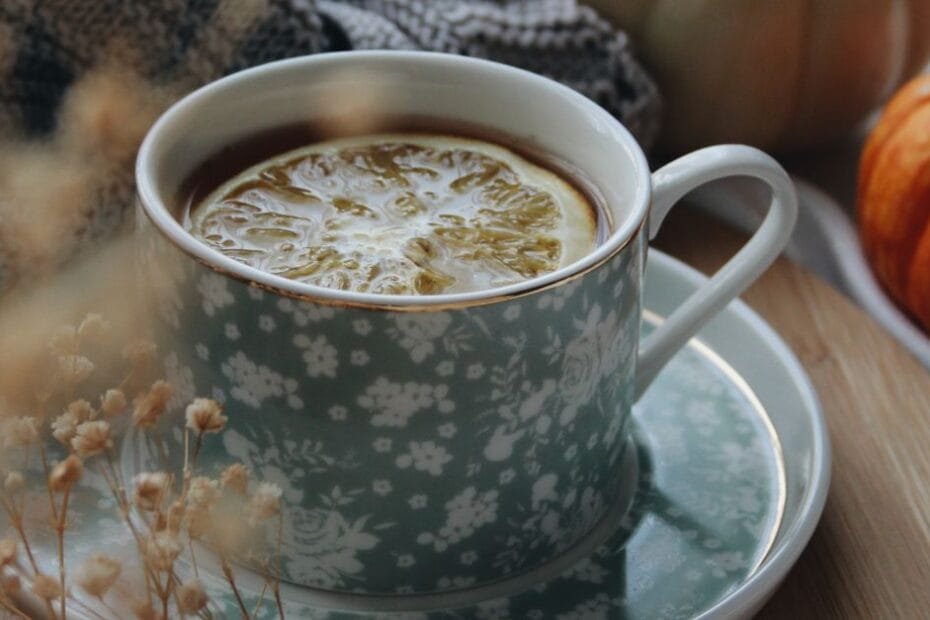
My evening cup of chamomile is genuinely non-negotiable. And here’s the thing — it’s not magic in the cup, it’s the ritual. The warmth in your hands, the deliberate pause, the quiet few minutes before bed with no screen: that’s where most of the calm actually comes from. If you want to swap late-night scrolling for something soothing, here are the best calming teas for stress and sleep, plus exactly how to brew them for maximum cozy.
Make it a full wind-down with our sleep & relaxation guides and a little lavender aromatherapy.
What makes a tea “calming”?
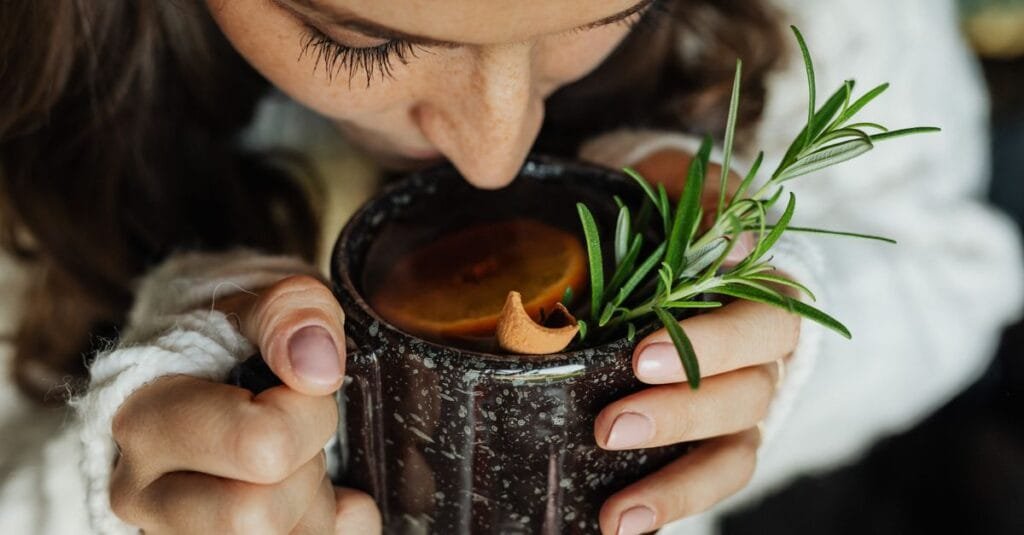
Most calming teas are caffeine-free herbal infusions (technically “tisanes”) built around herbs traditionally used to relax: chamomile, valerian root, lavender, lemon balm, and passionflower. The herbs may help gently — but as the Sleep Foundation points out, a consistent calming bedtime routine is itself one of the most powerful sleep tools. The tea is the cue; the routine is the magic.

Best calming teas
1. Chamomile — the gentle classic
Soft, floral, and the most popular bedtime tea for good reason. Choose organic, single-ingredient chamomile for the purest, most soothing cup.
2. A bedtime herbal blend
Blends combining chamomile with valerian, lavender, or lemon balm are formulated specifically for winding down. Lovely if plain chamomile feels too simple.
3. Peppermint — for after dinner
Not sleepy exactly, but soothing for digestion and a refreshing caffeine-free way to end the evening.
4. Lemon balm & lavender — for stressful afternoons
A calming, slightly citrusy herbal tea that’s caffeine-free and gentle — perfect for a mid-afternoon reset, not just bedtime.
5. Valerian root — the strongest sleepy herb
Valerian has the most traditional “sleep” reputation. Earthy in flavor (some love it, some don’t), so it’s often blended. Start with a small cup.
How to brew the perfect calming cup
- Boil fresh water and let it cool a few seconds (off the boil is kinder to delicate herbs).
- Steep covered for 5–7 minutes — covering keeps the calming aromatic oils in the cup.
- Drink about 45 minutes before bed so you’re not up for the bathroom later.
- Make it screen-free. That’s the part that really works.
The Science: How Herbal Teas Help You Relax
There’s real comfort in a warm cup, and it’s more than just placebo. Many calming herbs — like chamomile, lavender, and lemon balm — contain natural compounds traditionally associated with relaxation and better sleep, and several have modest research behind them. Beyond the herbs themselves, the ritual matters: cradling a warm mug, breathing in the gentle aroma, and slowing down all signal to your nervous system that it’s safe to unwind. The warmth itself is soothing, and stepping away for a quiet cup creates a natural pause in a busy day. It’s a simple, sensory way to ease into calm.
Build a Relaxing Tea Ritual
A calming tea works best as part of a wind-down ritual rather than something you gulp on the go. Try making it a screen-free moment: boil the water, steep mindfully, and actually sit with your cup rather than multitasking. Pair it with a few pages of a book, gentle music, or simply some quiet. Many people build a calming tea into their evening routine an hour or so before bed, signaling to body and mind that the day is winding down. The repetition itself becomes soothing — your brain learns to associate that warm cup with letting go.
Loose-Leaf vs. Tea Bags
Both work, so don’t overthink it — the best tea is the one you’ll actually drink. That said, loose-leaf tea is often fresher and more flavorful, with room for the herbs to expand and release their full character, and it lets you control the strength. Tea bags win on convenience and consistency, which matters on tired evenings when fuss is the enemy. A simple infuser basket makes loose-leaf nearly as easy as a bag. Start with whatever feels manageable; you can always graduate to loose-leaf later if you fall in love with a particular blend.
Pair Tea With Other Calming Habits
Your calming tea becomes even more powerful when paired with other gentle self-care. Sip it while journaling, doing a few slow breaths, taking a warm bath, or stretching before bed. It fits beautifully into a screen-free evening or a quiet morning moment. Think of the tea as an anchor for a small pocket of calm rather than a standalone fix. On its own it’s lovely; combined with other soothing rituals, it helps build a consistent wind-down routine that genuinely supports lower stress and better rest over time.
Make Calming Tea a Daily Habit
Like most self-care, calming tea works best as a gentle, regular habit rather than a once-in-a-while rescue. Choosing a consistent time — mid-afternoon to ease tension, or an hour before bed to wind down — helps your body anticipate the calm that follows. Keep your favorite blends somewhere visible and easy to reach so the habit is effortless. Over days and weeks, that small warm ritual becomes something you genuinely look forward to, a reliable pause in your routine. It’s a tiny, affordable act of self-kindness that quietly adds up to a calmer, more grounded daily rhythm.
A Soothing Cup, Whenever You Need It
At the end of the day, a calming tea is one of the simplest forms of self-care there is — affordable, gentle, and always within reach. Whether you sip it to ease into sleep, to pause during a stressful afternoon, or simply to give yourself a quiet moment, that warm cup is a small ritual of kindness toward yourself. Keep a few favorite blends on hand, make the moment screen-free when you can, and let it become a reliable little anchor of calm in your everyday routine.
How do calming teas help with sleep?
Caffeine-free calming teas like chamomile and valerian have long been used to encourage relaxation and restful sleep. A warm, soothing cup as part of a bedtime routine helps signal to your body that it is time to wind down.
The tea alone will not fix serious sleep problems, but combined with a calming evening routine it can make drifting off noticeably easier. It is a gentle, enjoyable addition to any wind-down.
When is the best time to drink calming tea?
For sleep-supporting teas, an hour or so before bed is ideal, giving the warm drink time to relax you without waking you for the bathroom. Gentle daytime calmers can be enjoyed whenever you need to reset.
Pairing the tea with a genuine pause, rather than gulping it while busy, makes it far more effective. The ritual of slowing down to sip is part of the calming benefit.
How do you brew calming tea for the best result?
Use fresh, just-boiled water and steep herbal teas longer than you might expect, often five to seven minutes, to draw out the full flavor and benefits. Covering the cup while it steeps keeps the aromatic oils in.
Then slow down and actually savor it. Treating tea as a mindful moment, rather than a rushed drink, turns a simple cup into a genuinely soothing ritual.
Can you drink calming tea every night?
For most healthy adults, enjoying a calming herbal tea nightly is a lovely, safe habit. It is wise to vary your herbs, follow package directions, and be mindful of any that are stronger, like valerian.
If you are pregnant, breastfeeding, or taking medication, check which herbs are suitable first. As a rule, gentle rotation and moderation keep a nightly tea ritual both safe and enjoyable.
How do you store calming teas to keep them fresh?
Keep teas in airtight containers away from light, heat, and moisture, which all degrade the delicate aromatic compounds over time. A cool, dark cupboard is ideal for both loose leaf and bagged teas.
Well-stored dried herbs stay good for many months, so buy amounts you will realistically use and keep them sealed between brews. Fresh tea simply tastes better and feels more soothing.
What pairs well with a calming tea ritual?
A cup of calming tea is even lovelier as part of a wider wind-down. Pair it with dim lighting, a good book, gentle music, journaling, or a few deep breaths for a deeply relaxing ritual.
Keeping screens away during your tea time deepens the calm. These small pairings turn a simple drink into a cherished daily moment of peace at the end of a busy day.
Frequently asked questions
Which tea is best for sleep?
Chamomile is the classic starting point; bedtime blends with valerian or lavender go a step further. Drink ~45 minutes before bed.
Are calming teas caffeine-free?
Herbal teas (chamomile, peppermint, lemon balm, valerian) are naturally caffeine-free. Avoid green and black tea in the evening.
Do calming teas actually work?
The herbs may help gently, but a large part of the benefit is the calming ritual itself — warmth, a pause, and a screen-free moment before bed.
Can I drink calming tea every night?
For most people, yes — caffeine-free herbal teas are gentle. If you’re pregnant or on medication, check with your doctor (valerian especially).
How long before bed should I drink it?
About 45 minutes — long enough to relax, early enough to avoid a midnight bathroom trip.
Bottom line
Pick one calming tea you genuinely enjoy, brew it covered for a few minutes, and sip it screen-free about 45 minutes before bed. Simple, cozy, and surprisingly effective — not because of magic, but because you finally gave yourself permission to pause. 🍵🌿
— The Self-Care Edit team 🌿
The Best Calming Teas, by What You Need
Not every soothing tea does the same job. Here are the ones worth keeping in your cupboard, and when each one shines.
- Chamomile — the classic bedtime tea. Gentle, slightly apple-like, and the one most people reach for to wind down. Start here if you buy only one. Browse chamomile tea.
- Lavender — floral and deeply relaxing; lovely on its own or blended with chamomile. Try lavender tea.
- Lemon balm — a light, citrusy herb long used to ease a busy, restless mind. See lemon balm tea.
- Valerian root — stronger and more earthy; some find it genuinely sedating before bed (the taste is an acquired one). Explore valerian tea.
- Peppermint — not sedating, but calming for the stomach and a refreshing caffeine-free option after dinner. Find peppermint tea.
- Passionflower — mild and floral, often blended into “sleep” and “calm” teas. Look for passionflower tea.
If choosing feels like a lot, a ready-made calming tea sampler or “bedtime” blend lets you try several at once and find your favourite.
How to Brew Tea for Maximum Calm
A few small things make a real difference. Use water that is hot but just off the boil for delicate herbs, cover the cup while it steeps (this keeps the aromatic oils in), and let it sit a full 5–7 minutes — longer than you might for black tea. The ritual matters as much as the tea: the few quiet minutes of making it, holding a warm cup, and breathing in the steam are part of why it works.
When to Drink It
For sleep, sip your tea about 45 minutes to an hour before bed — close enough to feel the wind-down, early enough that you are not up for a bathroom trip. For daytime stress, a caffeine-free cup is a perfect excuse to pause. Just keep an eye on the clock at night: even herbal tea is liquid, and a giant mug right at bedtime can interrupt sleep more than it helps.

A Few Honest Cautions
Calming teas are gentle, but “herbal” does not mean “risk-free.” If you are pregnant or breastfeeding, take medication, or have a health condition, check with your doctor before making any herbal tea a regular habit — some herbs (valerian especially) can interact with medicines or aren’t recommended in pregnancy. And make sure your “calming” tea is genuinely caffeine-free; some blends sneak in green or black tea.
Calming Tea FAQ
Which calming tea is best for sleep?
Chamomile is the most popular and gentlest starting point. If you want something stronger, valerian or a dedicated “bedtime” blend may suit you — though the effect varies a lot from person to person.
Is it safe to drink calming tea every night?
For most healthy adults, a nightly cup of chamomile or lavender is perfectly fine and a lovely habit. Be more thoughtful with stronger herbs like valerian, and check with a professional if you take medication.
Does calming tea actually work, or is it the routine?
Honestly, it is probably both — and that is fine. The warm, screen-free ritual genuinely helps you wind down, and certain herbs may add a gentle nudge. Either way, if it helps you relax, it is doing its job.
Build calm into your whole routine
A calming tea is even better as part of a wider wind-down. Pair it with an evening wind-down routine, and explore more soothing tools in our complete guide to stress relief.
Frequently Asked Questions
What are the best calming teas?
Some of the most soothing, well-loved calming teas include chamomile (a classic for relaxation and sleep), peppermint (calming and good for digestion), lavender (deeply relaxing), lemon balm, valerian root (often used for sleep), and passionflower. Many bedtime blends combine several of these. The best one for you depends on taste and purpose — chamomile or a bedtime blend for sleep, peppermint or lemon balm for daytime calm. All are caffeine-free, making them perfect for an evening wind-down ritual.
Do calming teas actually work?
Calming teas can genuinely help many people relax, both through the mild properties of herbs like chamomile and lavender and through the soothing ritual of preparing and sipping a warm drink. While they are not a cure for anxiety or insomnia, they are a safe, comforting part of a wind-down routine that signals your body it is time to relax. For best results, use them consistently as part of a calming evening ritual, and consult a doctor if you have persistent sleep or anxiety issues.
Which calming tea is best for sleep?
For sleep, chamomile is the classic go-to, valued for its gentle relaxing effect, while dedicated bedtime blends often combine chamomile with valerian root, passionflower, and lavender for a stronger wind-down. Valerian root in particular is widely used to support sleep. Enjoy your chosen tea about an hour before bed, caffeine-free, as part of a calming routine with dim lights and no screens. If you are pregnant, nursing, or taking medication, check with your doctor first, as some herbs (like valerian) may not be suitable for everyone.

I'm Khan Laila, the founder and editor of The Self-Care Edit. I'm a dedicated self-care enthusiast and researcher (not a medical professional) on a mission to make relaxation, better sleep, and everyday wellbeing simpler and more accessible. I write and curate every guide here with genuine care, honest product picks, and a firm belief that self-care should be realistic and guilt-free.