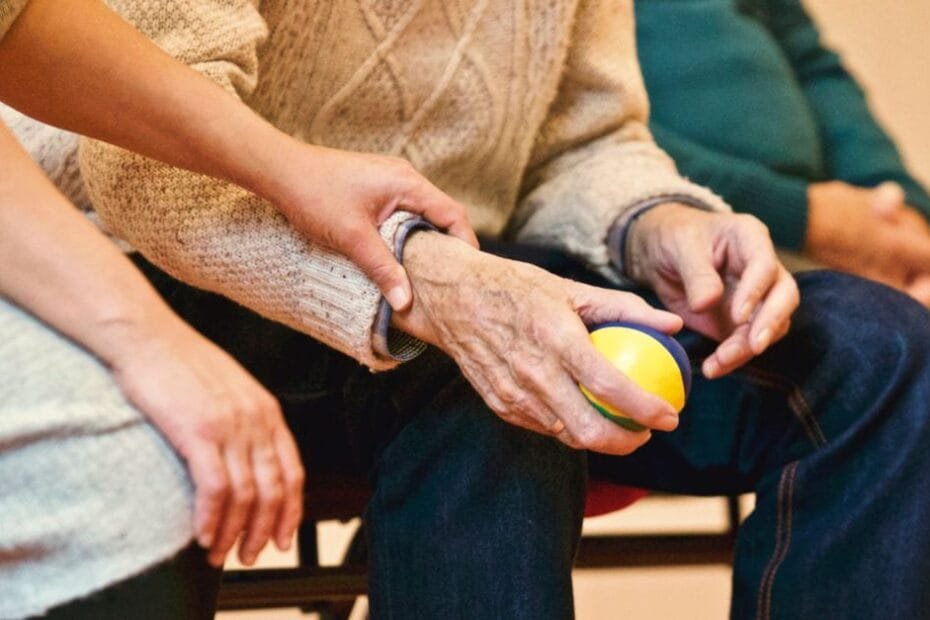
Self-care for caregivers means protecting your own physical, emotional, and mental health while you look after someone else. It is not selfish — it is essential. You cannot pour from an empty cup, and running yourself into the ground helps no one.
Also Read



This guide offers realistic, compassionate self-care for caregivers: how to spot burnout, set boundaries, ask for help, and keep yourself well while caring for a loved one.
Why caregiver self-care is not selfish
Caring for another person — a parent, partner, child, or friend — is demanding and often relentless. Looking after yourself is what allows you to keep giving that care sustainably.
Think of the airplane advice to put on your own oxygen mask first. Your wellbeing is not a luxury; it is the foundation that makes good caregiving possible.

Key takeaways
- Caregiver self-care is essential, not selfish.
- Burnout is common — learn to spot the signs early.
- Ask for and accept help; you cannot do it all alone.
- Regular breaks and boundaries protect your health.
- Your wellbeing matters too — care for yourself as you care for others.
What is caregiver burnout?
Caregiver burnout is a state of physical, emotional, and mental exhaustion from the ongoing demands of caregiving. It can leave you drained, detached, and unable to cope as you once did.
It builds gradually, often because caregivers put their own needs last for too long. Recognizing it early makes it far easier to address before it takes a serious toll.
Signs of caregiver burnout
Common signs include constant exhaustion, irritability, trouble sleeping, feeling overwhelmed or hopeless, withdrawing from others, neglecting your own health, and resenting the person you care for.
Feeling this way does not make you a bad caregiver — it makes you human and depleted. These signs are a signal to prioritize your own care, not to feel guilty.
Why caregivers neglect themselves
Caregivers often put themselves last out of love, duty, or guilt, believing the person they care for must always come first. Time and energy feel too scarce for self-care.
But consistently ignoring your own needs leads straight to burnout, which ultimately harms both you and the person you care for. Your needs are valid too.
Put your own oxygen mask on first
The single most important mindset shift is accepting that caring for yourself is part of caring for them. When you are rested and supported, you provide better, kinder care.
Protecting your health is not taking away from your loved one — it is ensuring you can keep showing up for them over the long haul.

Ask for and accept help
You do not have to do everything alone. Reach out to family, friends, and community resources, and let others share the load — even in small ways.
Many caregivers struggle to accept help, but most people genuinely want to assist. Be specific about what you need, whether it is a few hours off, a meal, or an errand run.
Take regular breaks
Regular breaks, or respite, are vital. Even short pauses to breathe, step outside, or do something you enjoy help you recharge and prevent burnout.
Longer respite care — through family, friends, or professional services — lets you rest properly. Taking breaks is not neglecting your duty; it is sustaining your ability to care.
Set boundaries as a caregiver
Boundaries protect you from taking on more than you can handle. It is okay to say no, to limit certain tasks, and to protect some time and energy for yourself.
Clear, kind boundaries keep caregiving sustainable. Our guide to setting boundaries can help you protect your limits without guilt.
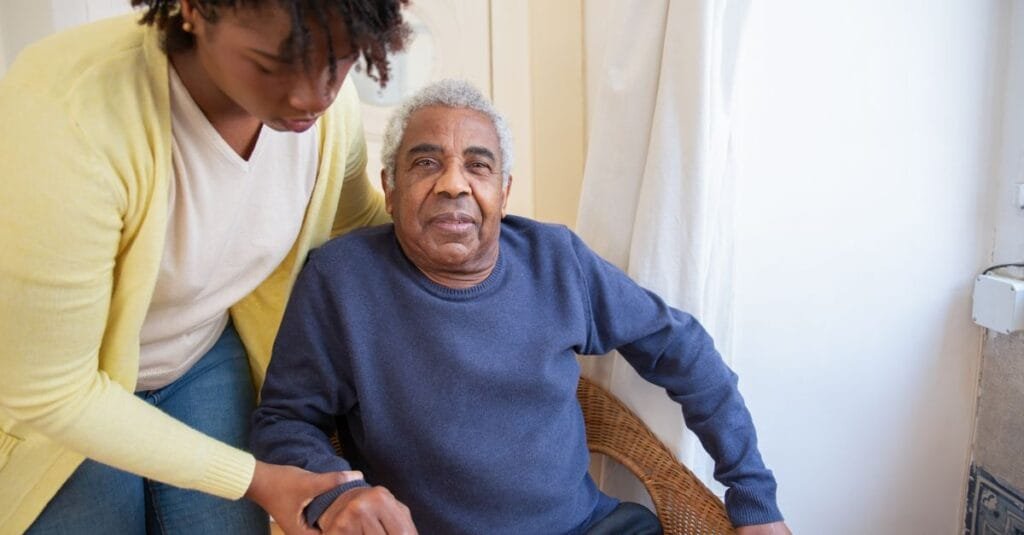
Protect your own health
Do not let your own health slide. Keep up with your medical appointments, take your medications, eat reasonably well, and get what sleep you can.
Your body is doing demanding work. Basic self-maintenance — rest, food, movement, and check-ups — keeps you strong enough to continue caring for someone else.
Stay connected to others
Caregiving can be isolating, so staying connected matters. Keep up with friends, even briefly, and share how you are really doing with people you trust.
Connection reminds you that you are more than a caregiver and gives you support. Isolation deepens burnout, while relationships help carry you through.
Manage stress in small ways
You may not have time for long self-care rituals, but small stress relievers add up. A few deep breaths, a short walk, a cup of tea, or a favorite song can reset a hard moment.
Weaving tiny moments of calm into your day protects your nervous system. Our complete guide to stress relief offers quick, realistic techniques for busy caregivers.
Handle guilt and difficult emotions
Caregiving stirs up complex emotions — guilt, resentment, grief, frustration. These feelings are normal and do not make you a bad person or caregiver.
Acknowledge them without judgment, and talk them through with someone you trust or a counselor. Being kind to yourself about hard feelings is part of caring for yourself.

Use resources and support groups
You are not alone, and support exists. Caregiver support groups, whether in person or online, connect you with others who truly understand what you are going through.
Local organizations, respite services, and caregiver charities can offer practical help and guidance. Seeking out these resources is a smart, caring thing to do for yourself.
Be realistic about your limits
You are one person, and there is only so much you can do. Accepting your limits, rather than striving for an impossible perfection, protects your wellbeing.
Caregiving often involves hard practical and financial realities too. Being honest about what is sustainable — and asking for help when it is not — is both wise and necessary.
When to seek help for yourself
If you feel persistently overwhelmed, hopeless, deeply depressed, or unable to cope, please reach out to your doctor or a mental health professional. Caregiver burnout can affect your health seriously.
Getting support for yourself is not a failure — it is responsible care for both you and your loved one. You deserve help just as much as the person you care for. Our guide to recovering from burnout may also help.
A helpful resource for caregivers
A well-reviewed book on caregiver self-care and avoiding burnout can offer practical strategies, reassurance, and a sense of not being alone in this role.
📚 Shop caregiver self-care books on Amazon →
Build a support network
You do not have to carry caregiving alone. Building a small team — family, friends, neighbors, and professionals — spreads the load and gives you backup.
Make a list of who can help with what, and do not be afraid to ask. A support network protects both you and the person you care for.
Quick self-care in the middle of a caregiving day
Long, elaborate self-care is rarely possible for caregivers, so build in micro-moments: a few deep breaths, stepping outside, a favorite drink, or a short pause.
These tiny resets, sprinkled through the day, genuinely help. Even one mindful minute can take the edge off caregiving stress.
Sleep strategies for caregivers
Caregiving often disrupts sleep, yet rest is when you recover. Protect sleep where you can — nap when the person you care for rests, and share night duties if possible.
Good sleep habits make a real difference. Our complete guide to better sleep offers gentle ways to rest better despite a demanding schedule.
Eating well when time is short
It is easy to skip meals or grab junk when caregiving, but your body needs fuel. Keep simple, nourishing food on hand and accept meal help from others.
Batch-cooking, healthy snacks, and easy staples make eating well realistic. Nourishing yourself is not a luxury — it is what keeps you going.
Staying active as a caregiver
Movement relieves stress and keeps you strong for the physical demands of caregiving. Even short bursts of activity throughout the day help when a full workout is impossible.
A brisk walk, a stretch, or a few exercises count. Our guide to stress relief offers quick options that fit a caregiver’s day.
Emotional self-care and grief
Caregiving can involve anticipatory grief and a rollercoaster of emotions, especially when a loved one is declining. Acknowledging these feelings is important self-care.
Give yourself space to grieve and process, and consider talking to a counselor or support group. Your emotional wellbeing deserves attention too.
Extra support for dementia caregivers
Caring for someone with dementia carries unique challenges and can be especially draining. Specialized support groups and resources can make a real difference.
Be extra gentle with yourself in this role, and lean on expert guidance. You are doing profoundly hard work and deserve dedicated support.
Managing long-distance caregiving
Caring from afar brings its own stresses, including guilt and logistics. Staying organized, coordinating local help, and regular check-ins ease the strain.
Remember that support given from a distance still counts. Do what you realistically can, and be kind to yourself about the limits of geography.
Balancing caregiving with work and family
Many caregivers juggle jobs and their own families too. Communicating your needs, exploring flexible work, and sharing responsibilities help prevent total overload.
You cannot do everything perfectly, and that is okay. Prioritizing, delegating, and asking for understanding are essential survival skills for the sandwiched caregiver.
Plan ahead for respite and the future
Planning reduces stress. Arranging regular respite care, understanding available services, and thinking ahead about needs help you avoid crisis-mode caregiving.
Proactive planning protects your wellbeing and ensures better care. It also gives you the reassurance of a plan when things change.
Notice small wins and meaning
Caregiving is hard, but it can also hold moments of connection, love, and meaning. Noticing small wins and tender moments helps sustain you.
Acknowledging the good, alongside the hard, protects your spirit. Caregiving is an act of deep love, and honoring that can be quietly restorative.
Remember who you are beyond caregiving
You are a whole person with your own identity, interests, and needs — not only a caregiver. Keeping hold of hobbies and parts of your life that are yours matters.
Nurturing your own identity guards against losing yourself in the role. It keeps you resilient and reminds you that your life and wellbeing matter too.
You are doing enough
Caregivers often carry a heavy sense that they are never doing enough. But showing up with love, day after day, through something genuinely hard, is already extraordinary.
Let go of the impossible standard of perfection. You are human, you are trying, and that is enough — for your loved one and for you.
Offer yourself the compassion you give others
You extend patience, tenderness, and understanding to the person you care for every single day. You deserve that same compassion turned inward toward yourself.
When you notice self-criticism creeping in, pause and speak to yourself as kindly as you would to someone you love. That gentleness is not indulgent — it is what sustains a caregiver through the long haul.
Frequently Asked Questions
Why is self-care important for caregivers?
Self-care is important for caregivers because caregiving is physically and emotionally demanding, and neglecting your own needs leads to burnout. When you are rested, healthy, and supported, you provide better and kinder care. Looking after yourself is not selfish — it is what allows you to keep caring for your loved one sustainably over time. You simply cannot pour from an empty cup.
What are the signs of caregiver burnout?
Signs of caregiver burnout include constant exhaustion, irritability, trouble sleeping, feeling overwhelmed or hopeless, withdrawing from friends, neglecting your own health, and even resenting the person you care for. These signals do not make you a bad caregiver — they mean you are depleted and need to prioritize your own care. Spotting them early makes burnout much easier to address.
How can busy caregivers find time for self-care?
Focus on small, realistic self-care rather than long rituals. A few deep breaths, a short walk, a cup of tea, or a favorite song can reset a hard moment. Ask for and accept help so you can take regular breaks, even brief ones. Setting boundaries and letting non-essentials slide also frees up precious energy. Tiny, consistent moments of care add up.
Is it normal to feel resentment or guilt as a caregiver?
Yes. Caregiving stirs up complex emotions including guilt, resentment, grief, and frustration. These feelings are completely normal and do not make you a bad person or caregiver. The healthiest approach is to acknowledge them without judgment and talk them through with someone you trust or a counselor. Being compassionate with yourself about difficult emotions is part of self-care.
When should a caregiver seek professional help?
Reach out to your doctor or a mental health professional if you feel persistently overwhelmed, hopeless, deeply depressed, or unable to cope. Caregiver burnout can seriously affect your health. Getting support for yourself is not a failure — it is responsible care for both you and your loved one. Support groups and respite services can also lighten the load.
The bottom line
Self-care for caregivers is not a luxury — it is what keeps you well enough to care for someone else. Protect your health, set boundaries, take breaks, and ask for help without guilt.
Choose one small act of self-care for yourself today. And if you feel overwhelmed, please reach out for support — you deserve care too. For a gentle ongoing routine, see our complete guide to building a self-care routine.

I'm Khan Laila, the founder and editor of The Self-Care Edit. I'm a dedicated self-care enthusiast and researcher (not a medical professional) on a mission to make relaxation, better sleep, and everyday wellbeing simpler and more accessible. I write and curate every guide here with genuine care, honest product picks, and a firm belief that self-care should be realistic and guilt-free.