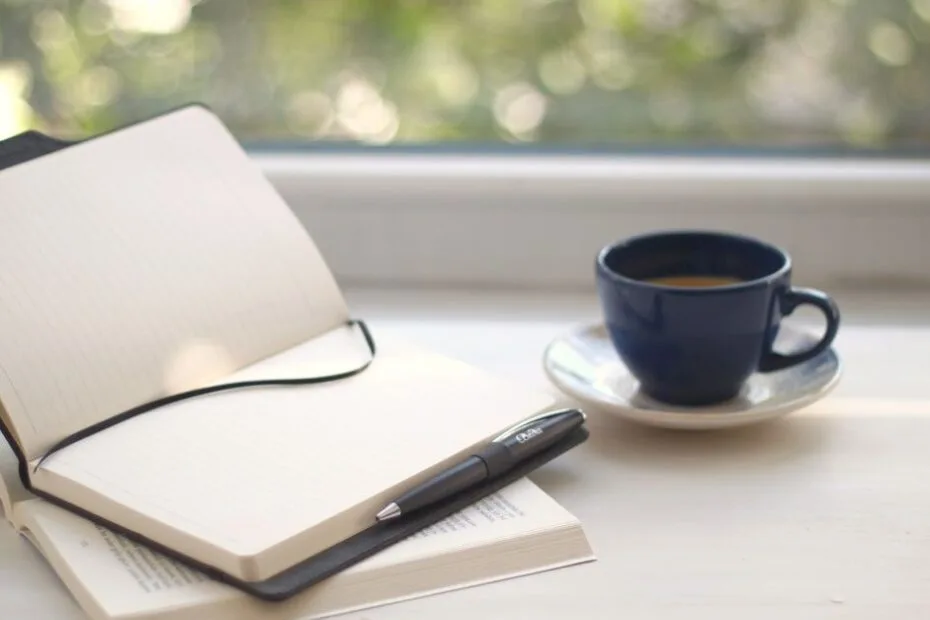
Morning pages are three pages of longhand, stream-of-consciousness writing done first thing every morning. You simply write whatever comes to mind — no editing, no stopping, no judgment. It is one of the simplest and most beloved journaling practices for clearing your mind and easing anxiety.
Also Read

This guide explains what morning pages are, where they came from, exactly how to do them, and the surprising benefits — from mental clarity to reduced overthinking — that keep people writing them for years.
What are morning pages?
Morning pages are three pages of unfiltered, handwritten writing you do as soon as you wake up. The idea is to empty your mind onto the page without any goal or structure.
You are not writing anything clever or coherent — you are simply capturing the flow of your thoughts. It is a brain dump, a clearing-out, and a gentle daily ritual all at once.
Key takeaways
- Morning pages are three pages of stream-of-consciousness writing.
- Do them first thing in the morning, by hand.
- There is no wrong way — just keep the pen moving.
- They clear mental clutter, easing anxiety and overthinking.
- Never re-read or judge them — the value is in the doing.
Where did morning pages come from?
Morning pages were popularized by Julia Cameron in her classic book The Artist’s Way. She created them as a tool to unblock creativity and quiet the inner critic.
Though they began as a practice for artists, morning pages have since been embraced by people of all kinds as a powerful daily habit for mental clarity and wellbeing.
How to do morning pages
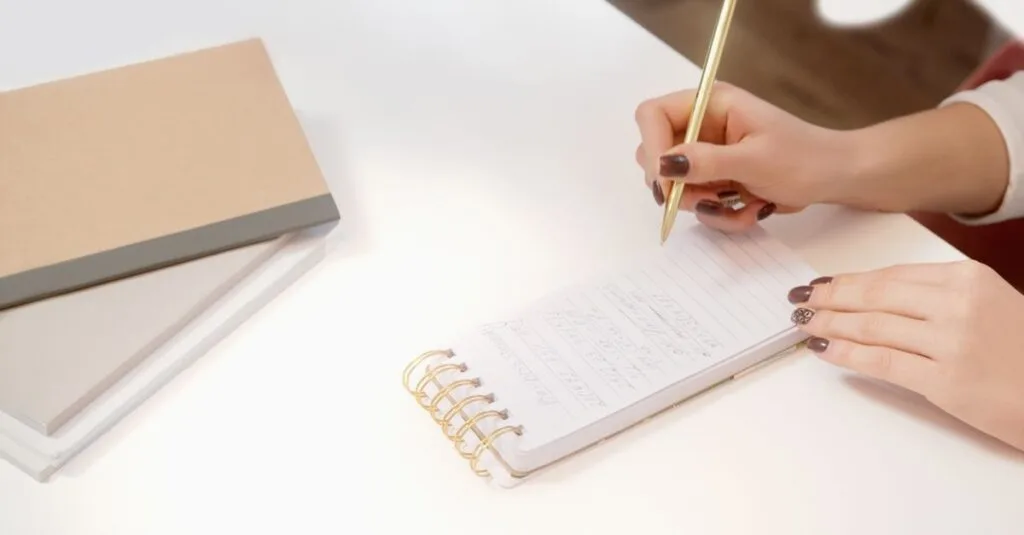
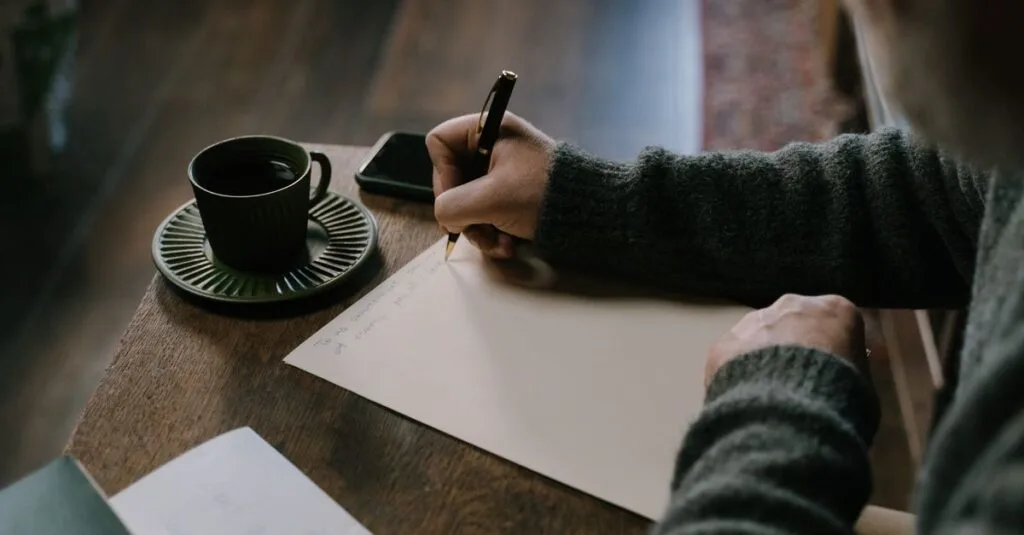
The method is simple: as soon as you wake, grab a pen and notebook and write three pages by hand about anything at all. Do not stop, plan, or edit — just keep writing.
If you do not know what to write, write “I don’t know what to write” until something comes. The only rule is to fill three pages and keep the pen moving.
Why three pages, and why by hand?
Three pages is long enough to move past surface chatter and reach the deeper thoughts underneath, but short enough to be doable. It usually takes about 20 to 30 minutes.
Writing by hand, rather than typing, slows you down and connects you to your thoughts differently. The physical act is a key part of the practice for many people.
Why do them in the morning?
Doing them first thing clears mental clutter before the day begins, so you start with a calmer, emptier mind. It also catches your thoughts before your inner critic fully wakes up.
Morning pages set a reflective tone for the day. Pairing them with your morning self-care routine makes them easy to remember.
The benefits of morning pages
People report a huge range of benefits: less anxiety, more clarity, better focus, increased creativity, and a sense of emotional release. The practice is quietly transformative.
By offloading worries and mental noise onto the page, you free up headspace and often find solutions and insights emerging naturally.
Morning pages and mental clarity
One of the greatest gifts of morning pages is clarity. Writing out the tangle of thoughts in your head helps you see what actually matters and what is just noise.
Decisions become easier and priorities clearer once they are on paper. It is like defragmenting your mind at the start of each day.
Morning pages and overthinking
If your mind races or you tend to ruminate, morning pages give those anxious thoughts somewhere to go. Getting them out of your head and onto the page reduces their grip.
Many people find the practice genuinely calming. Our guide on how to stop overthinking offers complementary strategies for a busy mind.
Morning pages and creativity
Because they bypass your inner critic, morning pages are a wonderful creativity tool. Ideas, solutions, and inspiration often surface once the mental clutter is cleared.
Julia Cameron designed them to unblock artists, and many writers, designers, and creators still swear by them for keeping their creative wells full.

What should you write about?
Anything and everything. Your worries, your to-do list, a dream you had, what is annoying you, what you are grateful for, or complete nonsense — it all counts.
There is no right topic. The pages are a private space to dump whatever is in your head, so let it be messy, boring, or random. That is exactly the point.
Common myths about morning pages
A common myth is that morning pages need to be deep, meaningful, or well-written. They absolutely do not — most are mundane, and that is fine.
Another myth is that you must do exactly three pages or it does not count. The spirit matters more than the rules; adapt them to what works for you.
Morning pages vs journaling vs gratitude
Morning pages differ from regular journaling, which often has a topic or purpose, and from gratitude journaling, which focuses on the positive.
Morning pages are deliberately unstructured and all-inclusive. If you prefer more focus, our guides to journaling for stress relief and practicing gratitude offer other approaches.
Tips to build the morning pages habit
Keep your notebook and pen by your bed so they are the first thing you reach for. Wake a little earlier if needed, and start before checking your phone.
Commit to a short trial — say two weeks — to feel the benefits. Our guide on building better habits can help make it stick.

Common obstacles and how to beat them
The biggest obstacles are lack of time and the urge to skip a day. Even shortening to a page or two on busy mornings keeps the habit alive.
Perfectionism is another trap — remember there is no wrong way. If you miss a day, simply begin again the next morning without guilt.
Should you re-read your morning pages?
Generally, no. Morning pages are not meant to be re-read or shared — that would reintroduce the self-consciousness the practice is designed to bypass.
Their value is in the writing, not the record. Knowing no one will ever read them, including you, frees you to be completely honest.
Digital vs longhand morning pages
The traditional practice is handwritten, and many feel the physical act is important. However, if typing is more realistic for you, a digital version still offers many benefits.
The best version is the one you will actually do. Start with whichever feels easiest, though it is worth trying longhand at least once to feel the difference.
Making morning pages your own
While the classic method is three handwritten pages, feel free to adapt it. Some people do two pages, or write in the evening, or use prompts on stuck days.
The heart of the practice is regular, judgment-free writing that clears your mind. Shape it around your life so it becomes a habit you genuinely keep.
A helpful resource for morning pages
If you want to go deeper, Julia Cameron’s The Artist’s Way explains the practice in full, and a dedicated notebook makes the daily ritual feel special.
📓 Shop The Artist’s Way & journals on Amazon →
Morning pages and emotional processing
Writing freely each morning gives your emotions a healthy outlet. Feelings you were not fully aware of often surface on the page, where you can acknowledge them.
This gentle processing can leave you feeling lighter and more settled. Many people find morning pages a safe place to work through what they are carrying.
Morning pages for problem-solving
When you write out a problem freely, solutions often appear that you could not see while stuck in your head. The page becomes a thinking space.
Without the pressure to be logical, your mind makes new connections. Countless people credit morning pages with untangling decisions and dilemmas.
Morning pages and focus
By clearing mental clutter first thing, morning pages leave your mind freer to concentrate during the day. You have already offloaded the noise.
Many find they procrastinate less and focus better after writing. It is like clearing your desk before starting work, but for your mind.
What people notice after a few weeks
Regular writers often report feeling calmer, clearer, and more self-aware within a few weeks. Recurring themes in their pages reveal what truly matters to them.
Some notice they are less reactive and more creative. The cumulative effect of daily mind-clearing tends to build quietly over time.
Morning pages for absolute beginners
If you are new, do not overthink it. On day one, simply write whatever is in your head, even if it is “this feels silly.” That counts.
Give yourself a week of imperfect pages before judging the practice. The awkwardness fades quickly, and the benefits usually follow.
Can you do evening pages instead?
While mornings are traditional, some people prefer writing at night to unload the day before sleep. Evening pages can ease a busy mind at bedtime.
The best time is the one you will stick to. If mornings truly do not work, evening writing still offers real benefits.
Morning pages and mindfulness
Writing by hand keeps you in the present moment, making morning pages a quietly mindful practice. Your attention rests on the flow of words.
This gentle presence pairs well with other practices. Our guide to mindfulness in daily life explores more ways to stay present.
“But I’m not a writer”
Morning pages are not writing in any literary sense — they are thinking on paper. Grammar, spelling, and style do not matter at all.
You truly cannot do them wrong. If you can scribble words, you can do morning pages, no writing talent required.
Morning pages and self-discovery
Over time, your pages reveal patterns in your thoughts, worries, hopes, and dreams. Many people learn surprising things about themselves.
This growing self-awareness is one of the practice’s quiet gifts. The page becomes a mirror that helps you understand yourself better.
Combining morning pages with other rituals
Morning pages pair beautifully with a warm drink, a candle, or a few minutes of quiet before the day begins. Building a small ritual makes them a pleasure, not a chore.
Anchoring them to existing habits helps too. Slotting them into your morning routine turns writing into a cherished start to the day.
How long to commit before judging
Give morning pages a fair trial — most people suggest at least two to four weeks. The early days can feel pointless before the benefits emerge.
Consistency reveals the magic. Commit to a short window, write without judgment, and then decide whether the practice earns a lasting place in your life.
The lasting appeal of morning pages
What keeps people returning to morning pages for years is how much they give for how little they ask — just a pen, a notebook, and a few honest minutes.
In a noisy, fast-moving world, that daily pocket of quiet reflection becomes something to look forward to. Many describe it as the most grounding part of their day, a small ritual that steadies everything else.
Frequently Asked Questions
What exactly are morning pages?
Morning pages are three pages of longhand, stream-of-consciousness writing done first thing in the morning. You write whatever comes to mind without editing, planning, or stopping. Popularized by Julia Cameron in The Artist’s Way, they act as a daily brain dump that clears mental clutter, eases anxiety, and boosts creativity. There is no right or wrong content — the value is simply in doing them.
How do you do morning pages correctly?
As soon as you wake, grab a pen and notebook and write three pages by hand about anything at all, without stopping or editing. If you get stuck, write “I don’t know what to write” until new thoughts flow. Keep the pen moving until you fill three pages — it usually takes 20 to 30 minutes. The only real rule is to keep writing without judgment.
What are the benefits of morning pages?
People report reduced anxiety, greater mental clarity, better focus, more creativity, and a sense of emotional release. By offloading worries and mental noise onto the page early, you free up headspace and often find that solutions and insights emerge naturally. Because the practice bypasses your inner critic, it is especially good for quieting overthinking and unblocking creativity.
Should I re-read my morning pages?
Generally no. Morning pages are not meant to be re-read or shared — doing so would bring back the self-consciousness the practice is designed to bypass. Their value lies in the act of writing, not in the record. Knowing that no one, including you, will ever read them frees you to be completely honest and unfiltered on the page.
Can I type my morning pages instead of writing by hand?
You can, and a digital version still offers many benefits. However, the traditional practice is handwritten because the slower, physical act connects you to your thoughts differently. If typing is what makes the habit realistic for you, start there — the best version is the one you will actually do. It is worth trying longhand at least once to feel the difference.
The bottom line
Morning pages are a simple, powerful ritual: three pages of honest, unedited writing to clear your mind before the day begins. They ask for nothing but a pen, a notebook, and a few quiet minutes.
Try them for one week and notice how your mind feels. For more gentle ways to start your day well, explore our complete guide to building a self-care routine.

I'm Khan Laila, the founder and editor of The Self-Care Edit. I'm a dedicated self-care enthusiast and researcher (not a medical professional) on a mission to make relaxation, better sleep, and everyday wellbeing simpler and more accessible. I write and curate every guide here with genuine care, honest product picks, and a firm belief that self-care should be realistic and guilt-free.