
Some links in this post are affiliate links. If you buy through them, we may earn a small commission at no extra cost to you. We only recommend things we genuinely believe in.
Also Read



To practice gratitude, you regularly and specifically notice the good in your life – the simplest start is writing down three specific things you’re grateful for each day. Specificity is the secret: “my friend called to check on me” works far better than a vague “my friends.” Here’s how to build a gratitude practice that actually lifts your mood.
Key Takeaways
- Gratitude is a practice, not a mood – you build it on purpose.
- Be specific – detailed, personal things work far better than generic lists.
- Start with “three good things” a day – it’s simple and effective.
- Consistency beats intensity – a little most days is what counts.
- Gratitude isn’t toxic positivity – it coexists with hard feelings.
What is a gratitude practice?
A gratitude practice is the intentional habit of noticing and appreciating the good things in your life, big and small.
Rather than waiting to feel grateful, you deliberately direct your attention to what’s going well – through journaling, reflection or simply pausing to savor a moment.
The clip below from neuroscientist Dr Andrew Huberman digs into the science of why this works.
What are the benefits of practicing gratitude?

Gratitude is one of the most studied positive-psychology practices, and the reported benefits are impressive.
Research and practitioners commonly associate a regular gratitude practice with improved mood, lower stress, better sleep, and stronger relationships. It gently shifts your attention toward what’s good, which changes how the day feels.
It’s not about ignoring problems – it’s about not overlooking the good alongside them.
How to practice gratitude: simple ways to start

There’s no single right way. Pick one or two of these and begin.
Keep a gratitude journal
Writing down what you’re grateful for is the classic, well-tested method.
A few lines a day is plenty. Our guide to journaling for stress relief pairs beautifully with this.
Try “three good things”
Each evening, note three specific good things from your day and why they happened.
This simple exercise trains your brain to scan for positives, and the “why” deepens the effect.
Write a gratitude letter
Write to someone who’s made a difference in your life, telling them exactly why.
Delivering or reading it aloud amplifies the boost – it’s one of the most powerful gratitude exercises there is.
Savor small moments
Pause to fully enjoy ordinary pleasures – your morning coffee, sunshine, a good song.
Savoring stretches out positive moments and helps them register more deeply.
Use everyday cues
Attach gratitude to routine moments, like your commute or brushing your teeth.
Linking it to an existing habit makes it effortless to remember.
Try a gratitude meditation
Spend a few quiet minutes reflecting on what you appreciate.
If you’re new to sitting quietly, our meditation for beginners guide is a gentle place to start.
How to start a gratitude journal

A gratitude journal is the easiest on-ramp to a lasting practice.
Choose a notebook or app, pick a consistent time (mornings set the tone, evenings help you unwind), and write a few specific things you’re grateful for. Keep it short so it’s sustainable.
A guided journal with prompts removes the “blank page” pressure – see our picks for the best mindfulness & gratitude journals.
Gratitude journal prompts to try
If you’re not sure what to write, these prompts help.
- What’s one small thing that went well today?
- Who am I grateful for right now, and why?
- What’s something about my body or health I appreciate?
- What’s a challenge that taught me something?
- What comfort or convenience do I often take for granted?
- What made me smile or laugh recently?
Rotate a few of these to keep the practice fresh.
How to make gratitude a daily habit
Gratitude works best when it’s regular, so make it stick.
Anchor it to a daily cue, keep it short, and be gentle if you miss a day. Pairing it with an existing routine, like a Sunday reset, helps too.
Our guide to building better habits has more on making it last.
The science behind why gratitude works
Gratitude isn’t just feel-good fluff – there’s real research behind it.
Regularly focusing on the positive is thought to shift attention patterns and support mood-related brain pathways over time. Studies have linked gratitude practices to better wellbeing, sleep and resilience.
In simple terms, what you repeatedly pay attention to shapes how you feel – and gratitude points that attention somewhere helpful.
Practicing gratitude during hard times
Gratitude is often most valuable – and hardest – when life is tough.
You don’t have to be grateful for the difficulty; you simply look for small points of light alongside it, like a kind message or a moment of rest. This isn’t about denying pain.
On the hardest days, even noticing one tiny good thing counts as a full practice.
Tools that support a gratitude practice
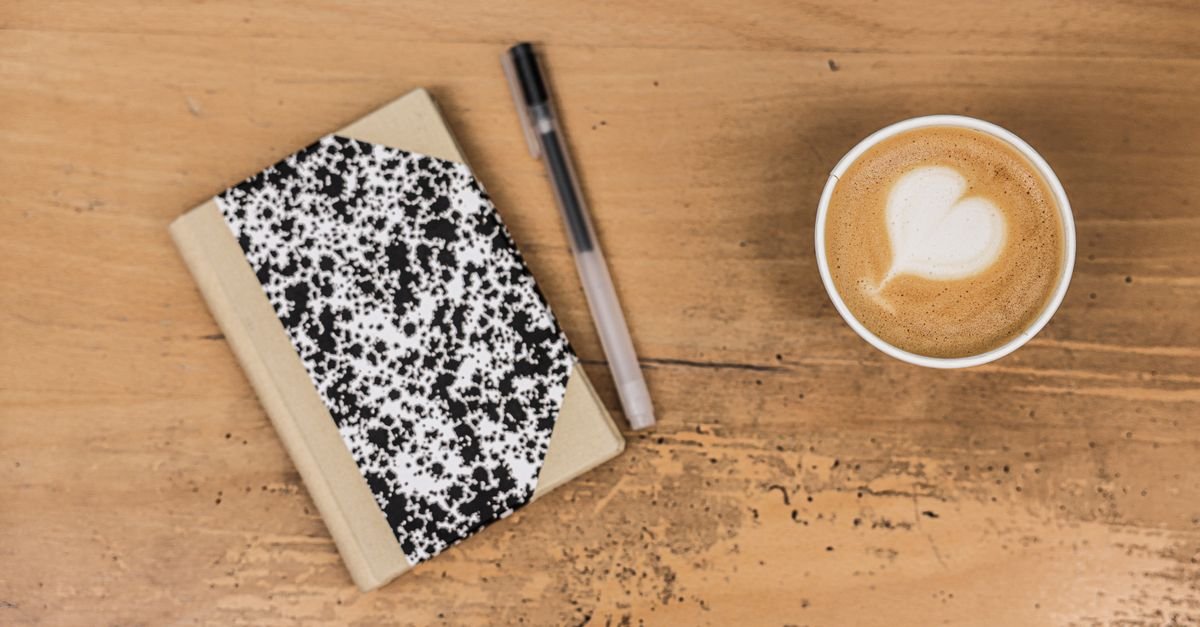
You need nothing but a pen and paper, but a few tools make it easier to keep going.
A dedicated gratitude journal with prompts is the most popular, and some people enjoy a gratitude app or a simple jar to collect notes over the year.
Browse gratitude journals on Amazon, or see our roundup of the best mindfulness & gratitude journals.
Shop Guided Gratitude Journals →
Gratitude vs toxic positivity: an important difference
Healthy gratitude and “toxic positivity” are not the same thing.
Toxic positivity dismisses real feelings with forced cheerfulness (“just be positive”). Genuine gratitude holds space for difficult emotions while also noticing the good – both can be true at once.
If a gratitude practice ever feels like you’re suppressing how you really feel, ease off and let both realities exist.
Common gratitude mistakes to avoid
- Being too vague. Specific, personal things have far more impact.
- Turning it into a chore. Keep it short and genuine, not a box to tick.
- Forcing it in hard moments. Look for small good, don’t deny the difficult.
- Repeating the same list. Vary what you notice to keep it meaningful.
- Expecting instant transformation. The benefits build gradually.
How long until gratitude makes a difference?
Some lift is immediate; the deeper shift takes time.
Many people feel a small mood boost right after writing their list, while the lasting benefits – a more positive outlook, better resilience – tend to build over a few weeks of regular practice.
Like any habit, gratitude compounds: the longer you keep it up, the more natural noticing the good becomes.
Simple gratitude rituals for the whole family
Gratitude is easy to share, and practicing it together helps it stick.
At dinner, have everyone name one good thing from their day. In the car, take turns saying something you appreciate. Keep a shared jar where family members drop notes to read together at the end of the month.
For children especially, seeing adults notice the good out loud teaches the habit far better than being told to be grateful. It quietly shapes a warmer family atmosphere.
How gratitude strengthens your relationships
Some of gratitude’s biggest benefits show up in how we connect with others.
Telling people specifically why you appreciate them – not just “thanks” but “thank you for listening when I was overwhelmed” – deepens bonds and makes both of you feel closer.
Expressed gratitude is one of the simplest ways to strengthen a friendship, a partnership, or a working relationship. It costs nothing and is almost always welcome.
Gratitude on the days you don’t feel it
Some days gratitude feels forced or out of reach, and that’s completely normal.
On those days, keep it tiny and honest. A warm bed, a hot drink, a moment of quiet – small, real things count more than grand statements you don’t feel.
You’re not denying the day was hard. You’re simply reminding yourself that a little good existed alongside it, which is often enough to shift things slightly.
Digital vs paper gratitude journals
There’s no wrong way to record gratitude – the best format is simply the one you’ll actually use.
A paper journal feels tactile and screen-free, which many people find more calming, especially before bed. An app is always in your pocket and can nudge you with reminders.
Some people even keep a running note on their phone or a photo album of small good moments. Try one for a couple of weeks and switch if it isn’t sticking.
Teaching children to be grateful
Gratitude is a wonderful gift to pass on, and children learn it mostly by example.
Model it out loud, keep it age-appropriate and specific, and avoid forcing a hollow “say thank you.” A simple bedtime question – “what was good about today?” – works beautifully.
The aim isn’t politeness on demand but a genuine habit of noticing the good, which serves them for life.
Turning a low mood around with gratitude
Gratitude won’t erase a bad mood instantly, but it can gently loosen its grip.
When you’re stuck in irritation or worry, pausing to name even one genuinely good thing interrupts the negative spiral and widens your focus.
Think of it as a small course-correction rather than a cure – a way to stop a low mood from quietly taking over the whole day.
The link between gratitude and better sleep
A short gratitude practice at bedtime can genuinely help you sleep better.
Ending the day by noting a few good things shifts your mind away from the worry and replay that often keep people awake.
Try jotting three things you’re grateful for just before lights-out, and let them be the last thing on your mind as you drift off. It pairs perfectly with a calming wind-down routine.
Making gratitude a lifelong habit
Like any practice, gratitude deepens the longer you keep it up.
Rather than aiming for intensity, aim for a version so small and easy it survives busy, stressful weeks – three lines a day, or one thought before sleep.
Over months and years, noticing the good stops being an exercise and becomes simply how you see the world. That quiet shift is where the real reward lies.
Gratitude beyond words: acts of appreciation
Gratitude doesn’t have to be written or spoken – it can be shown.
A small kindness, a thank-you note, helping without being asked, or simply being fully present with someone all express appreciation in action.
These acts deepen your own sense of gratitude while brightening someone else’s day, turning a private practice into something that quietly ripples outward.
Frequently Asked Questions
How do I start practicing gratitude?
The simplest start is to write down three specific things you’re grateful for each day, along with why they happened. Be specific and personal rather than generic. Do it at a consistent time, keep it short, and let the habit build gradually.
What are the benefits of a gratitude practice?
Research and practitioners commonly link regular gratitude to improved mood, lower stress, better sleep and stronger relationships. It works by gently shifting your attention toward what’s going well, which changes how your days feel over time.
How often should I practice gratitude?
Most people do best with a short daily or near-daily practice. Consistency matters more than length – a few specific lines most days is more effective than a long session once in a while. Missing a day is fine; just pick it back up.
What should I write in a gratitude journal?
Write a few specific things you’re grateful for and, ideally, why. Prompts help – think a small win from your day, a person you appreciate, a comfort you take for granted, or a moment that made you smile. Vary them to keep the practice fresh.
Is gratitude the same as toxic positivity?
No. Toxic positivity dismisses real feelings with forced cheerfulness, while genuine gratitude holds space for hard emotions and also notices the good. If your practice ever feels like suppressing how you truly feel, ease off and let both realities coexist.
Can I practice gratitude during difficult times?
Yes, and it’s often most valuable then. You don’t have to feel grateful for the hardship itself – simply look for small points of light alongside it, like a kind gesture or a moment of calm. On tough days, noticing one tiny good thing is enough.
How long before gratitude improves my mood?
You may feel a small boost right after writing your list, while the deeper benefits build over a few weeks of consistent practice. Like any habit, gratitude compounds – the longer you keep it up, the more naturally you notice the good.
The bottom line
A gratitude practice is one of the simplest, most rewarding self-care habits you can build.
Start with three specific good things a day, keep it genuine, and let it hold space for hard feelings too.
Be consistent and patient, and noticing the good will slowly become second nature. To build it into your week, see our self-care routine guide.

I'm Khan Laila, the founder and editor of The Self-Care Edit. I'm a dedicated self-care enthusiast and researcher (not a medical professional) on a mission to make relaxation, better sleep, and everyday wellbeing simpler and more accessible. I write and curate every guide here with genuine care, honest product picks, and a firm belief that self-care should be realistic and guilt-free.