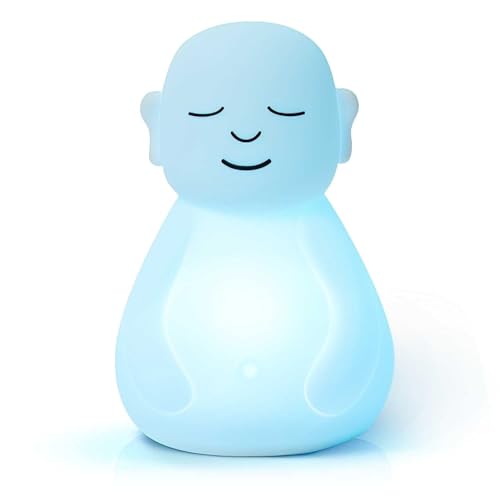
You don’t need much to practice yoga — but the right few accessories can make your practice safer, deeper, and far more enjoyable. Whether you’re a beginner finding your balance or a seasoned yogi refining your poses, good props support your body, protect your joints, and help you relax more fully. Here’s an honest guide to the accessories genuinely worth having, and how each one helps your mind and body.
Also Read


The Foundation: A Good Yoga Mat
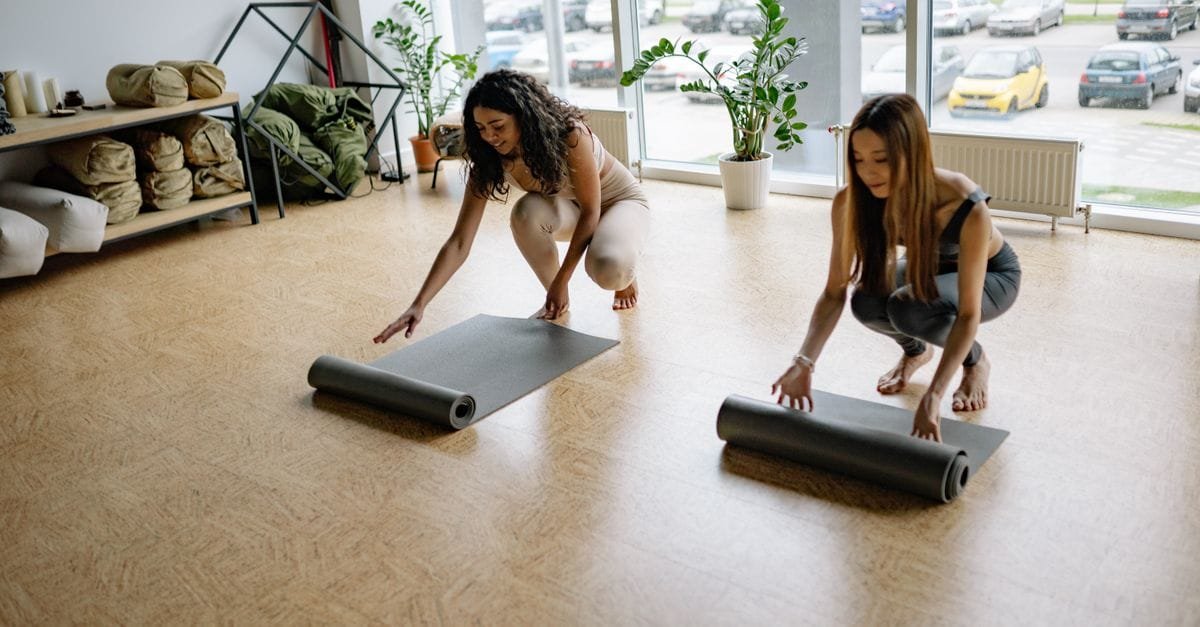
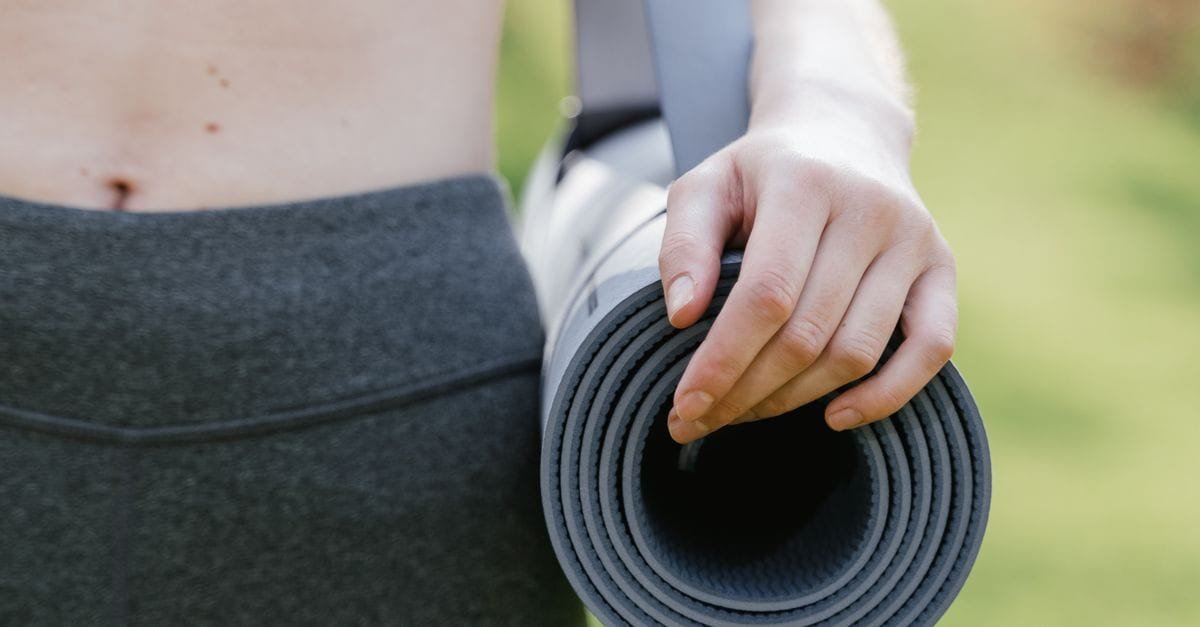
Your mat is the one accessory you truly can’t skip. A quality mat gives you grip so you don’t slip in downward dog, cushioning to protect your wrists and knees, and a defined space that signals it’s time to practice. Look for adequate thickness (around 4–6mm for a balance of comfort and stability), a non-slip surface, and a material that suits you — natural rubber for grip and eco-friendliness, or PVC for durability and budget. A mat that grips well lets you focus on your breath instead of your footing.
Yoga Blocks for Support and Alignment
Blocks are perhaps the most useful prop after the mat, and not just for beginners. They effectively “bring the floor closer,” letting you reach the ground in standing poses without straining or rounding your spine. They support balance, deepen stretches safely, and help you hold restorative poses longer. Foam blocks are light and gentle; cork blocks are firmer and more stable. A pair of blocks unlocks proper alignment in dozens of poses and makes your practice accessible regardless of flexibility.
Yoga Straps for Flexibility
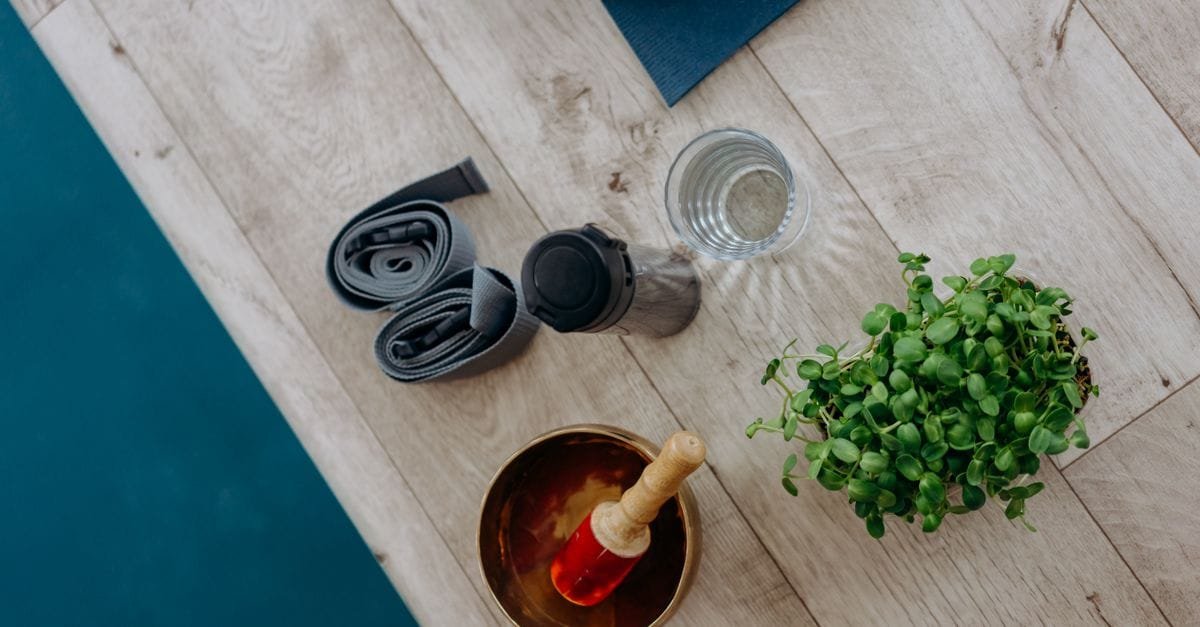
A strap is a simple loop or length of sturdy fabric that extends your reach — think of it as longer arms. If you can’t quite clasp your hands behind your back or reach your toes, a strap bridges the gap so you still get the full benefit of the stretch with good form. It’s invaluable for gradually building flexibility safely, without forcing your body. Lightweight and inexpensive, a strap is one of the best small investments for a steadily deepening practice.
Bolsters and Cushions for Restorative Practice
If you enjoy gentle, restorative, or yin yoga, a bolster is a game-changer. This firm, supportive pillow lets your body fully relax into supported poses, releasing tension without effort — perfect for winding down and calming the nervous system. A meditation cushion similarly supports comfortable seated practice and breathwork by lifting your hips and easing your spine. Together they turn your mat into a space for deep rest, not just movement, which is where much of yoga’s stress-relief magic happens.
Eye Pillows and Blankets for Deep Relaxation
For the final relaxation (savasana) and restorative poses, a few cozy extras make a real difference. A weighted eye pillow blocks light and applies gentle, soothing pressure that helps quiet the mind — many people find it deeply calming. A yoga blanket adds warmth as your body cools during stillness, and can be folded to support your knees, hips, or neck. These small comforts help your nervous system shift into genuine rest, deepening the mental benefits of your practice.
Props for Balance and Strength
As your practice grows, a couple of extra tools add variety. A yoga wheel helps open the chest and shoulders, supports backbends, and challenges your balance and core. A yoga towel laid over your mat absorbs sweat and adds grip, which is especially helpful for hot yoga or vigorous flows. Neither is essential, but each can extend and enrich your practice once you’ve got the basics covered. Add them when you’re curious, not out of obligation.
Aromatherapy and Atmosphere
The space around you shapes your state of mind. Many yogis like to diffuse calming essential oils such as lavender or eucalyptus to set a relaxing mood, or to play soft music and dim the lights. A tidy, pleasant practice corner makes you far more likely to roll out your mat consistently. While atmosphere is optional, these gentle sensory cues help your brain associate the space with calm, easing you into a focused, peaceful practice more quickly.
How to Build Your Kit Without Overspending
You don’t need everything at once. Start with the essentials — a good mat and a pair of blocks — then add a strap, a bolster, and cozy extras as your practice develops and you discover what you actually use. Buying gradually saves money and prevents clutter. Quality matters more than quantity: a few well-made props you reach for every session beat a drawer full of gadgets you never touch. Let your practice guide what you bring in next.
What to Look For When Buying
Prioritize grip and the right thickness in a mat, firmness and stability in blocks, and durable, comfortable materials throughout. Reading recent reviews helps you avoid flimsy props that wear out fast. You can compare a wide range of yoga mats, yoga blocks, straps, and bolsters to find what fits your body and style, plus eye pillows for deep relaxation. Choose pieces that feel sturdy and comfortable — they’ll support your practice for years.
Accessories for Beginners vs. Experienced Yogis
Your needs shift as your practice grows. Beginners benefit most from supportive props that make poses accessible — a good mat, blocks, and a strap reduce strain and build confidence while flexibility develops. More experienced yogis often add tools that deepen or vary their practice, like a yoga wheel for backbends or a bolster for restorative work. There’s no need to rush; the right accessory is the one that serves where you are now. Props aren’t a sign of inexperience — even advanced practitioners use them to refine alignment and go deeper safely.
Eco-Friendly and Non-Toxic Materials
Since you’ll be breathing deeply and pressing your body against your gear, materials matter. Many yogis prefer natural, non-toxic options: natural rubber or cork mats, organic cotton straps and blankets, and bolsters with natural fillings. These avoid the chemical smell and PVC of some cheaper mats and tend to be more durable and grippy too. Look for certifications or clear material descriptions if eco-friendliness is important to you. Choosing natural materials is better for your body and the planet, and often results in higher-quality, longer-lasting props.
Caring for Your Yoga Gear
A little maintenance keeps your accessories fresh and grippy. Wipe down your mat after sweaty sessions and let it dry fully to prevent odor and bacteria; many mats can be gently cleaned with a mild solution. Wash straps, blankets, and removable covers per their care labels, and air out bolsters and cushions occasionally. Store everything dry and out of direct sunlight, which can degrade materials over time. Well-cared-for gear not only lasts longer but also feels far nicer to practice on, making you more likely to roll out your mat.
Props for Specific Needs
Yoga props shine when you adapt them to your body. If you have tight hamstrings, a strap lets you stretch safely without rounding your back. For lower-back sensitivity, blocks and a bolster support gentler, well-aligned poses. Sensitive wrists benefit from a cushioned mat or wrist support, and seniors or those with balance concerns can use a chair or wall for stability. The whole point of props is to make yoga work for your body — not to force your body into a pose. Used thoughtfully, they keep your practice safe and sustainable.
Setting Up Your Home Yoga Space
A dedicated little space makes home practice far more inviting. You don’t need a whole room — just enough clear floor for your mat, somewhere quiet with decent light. Keep your props within easy reach in a basket or on a shelf so nothing interrupts your flow. Some people add a plant, soft lighting, or a diffuser with calming oils to set the mood. A tidy, pleasant spot you can return to reliably is one of the best ways to build a consistent practice, turning intention into a genuine routine.
Common Mistakes When Buying Yoga Gear
A few pitfalls trip up many newcomers. The biggest is buying everything at once before knowing what you’ll actually use — start small and add as your practice grows. Another is choosing a mat purely on price or looks; a cheap, slippery mat can make practice frustrating and even unsafe. People also often pick blocks that are too soft to bear weight, or skip a strap they’d genuinely benefit from. Finally, ignoring materials can mean a smelly, chemical-laden mat. Focus on quality, grip, and what supports your body, and you’ll avoid wasting money on gear you won’t reach for.
Let Your Practice Guide You
Ultimately, the best yoga accessories are the ones that serve your unique body and style. Pay attention to where you feel strain or instability, and let that guide your next addition — tight hamstrings point to a strap, achy knees to a thicker mat or blanket, a love of restorative yoga to a bolster. There’s no perfect universal kit, only what works for you. Build thoughtfully, prioritize comfort and safety, and your accessories will quietly support a practice you genuinely look forward to, session after session.
What are the essential yoga accessories?
The core yoga accessories are a good mat, blocks, and a strap, with a bolster or cushion and a blanket as lovely extras. Together they support comfort, alignment, and a deeper, more accessible practice.
You do not need everything to begin, and a mat alone is enough to start. Adding accessories over time lets you tailor your practice to your body and comfort.
Why is a good yoga mat important?
A quality mat provides grip, cushioning, and stability, protecting your joints and helping you hold poses safely. A slippery or thin mat makes practice uncomfortable and can even lead to injury.
Look for enough thickness for comfort and good non-slip texture. A mat you enjoy using also makes you more likely to practice regularly, supporting a consistent, calming routine.
How do yoga blocks help?
Yoga blocks bring the floor closer to you, making poses more accessible and helping with alignment and balance. They are wonderful for beginners and for anyone with limited flexibility.
Far from being only for beginners, blocks are used by experienced practitioners too, to deepen or modify poses. They make yoga safer and more comfortable for every body.
What is a yoga strap used for?
A yoga strap extends your reach, helping you hold poses you cannot yet reach into comfortably, such as stretches for the hamstrings or shoulders. It supports gentle progress without strain.
Straps are especially helpful for building flexibility gradually and safely. They let you experience the benefits of a pose while working toward greater range of motion over time.
Do you need a bolster or cushion?
A bolster or cushion is not essential but adds wonderful comfort, especially for restorative and gentle yoga. It supports your body in relaxing poses, letting you release tension and unwind more deeply.
For calming, mental-wellness-focused practice, a bolster can be a real treat. It helps you settle comfortably into restful poses, making your practice feel nurturing rather than effortful.
How do yoga accessories support mental wellness?
By making practice more comfortable and accessible, accessories help you relax into yoga rather than struggle through it, which is where the calming, stress-relieving benefits truly come.
Supported, comfortable poses let you focus on your breath and quiet your mind. In this way, the right accessories turn yoga into a genuinely soothing practice for both body and mind.
How do you choose quality yoga accessories?
Look for durable materials, good grip and support, and comfort. For mats, non-slip texture and suitable thickness matter; for blocks and bolsters, firm, supportive construction is key.
You need not buy the most expensive options, but very cheap accessories often wear out or perform poorly. Choosing well-made basics that suit your practice ensures they last and truly support you.
How do you build a calming yoga practice at home?
Starting a home yoga practice is easier than many people think. Set aside a small, quiet space, roll out your mat, and begin with short, gentle sessions following a beginner-friendly video or a few simple poses you enjoy.
Consistency matters more than length, so even ten minutes a few times a week builds a calming habit. Focusing on your breath and moving gently, rather than chasing perfect poses, is what makes home yoga so soothing for both body and mind.
You might also find Social Wellness: How Connection Boosts Wellbeing helpful.
Frequently Asked Questions
What yoga accessories do beginners actually need? Start with a good non-slip mat and a pair of blocks. A strap is a helpful third. Everything else is optional and can come later.
Foam or cork blocks? Foam is lighter, softer, and cheaper; cork is firmer and more stable for weight-bearing poses. Many people prefer cork for support.
Do I need a bolster? Only if you enjoy restorative or yin yoga — but if you do, it transforms the experience by letting you fully relax into supported poses.
How thick should my mat be? Around 4–6mm suits most people, balancing cushioning with stability. Thicker mats add comfort but can feel less steady in balance poses.
Key Takeaways
The right yoga accessories make your practice safer, more comfortable, and more restful for both mind and body. Begin with a quality mat and blocks, add a strap for flexibility, and bring in a bolster, eye pillow, and blanket for deep relaxation. Build your kit gradually, choosing quality over quantity, and let your own practice tell you what you need next. With a few well-chosen props, every session becomes a little easier to sink into.

I'm Khan Laila, the founder and editor of The Self-Care Edit. I'm a dedicated self-care enthusiast and researcher (not a medical professional) on a mission to make relaxation, better sleep, and everyday wellbeing simpler and more accessible. I write and curate every guide here with genuine care, honest product picks, and a firm belief that self-care should be realistic and guilt-free.