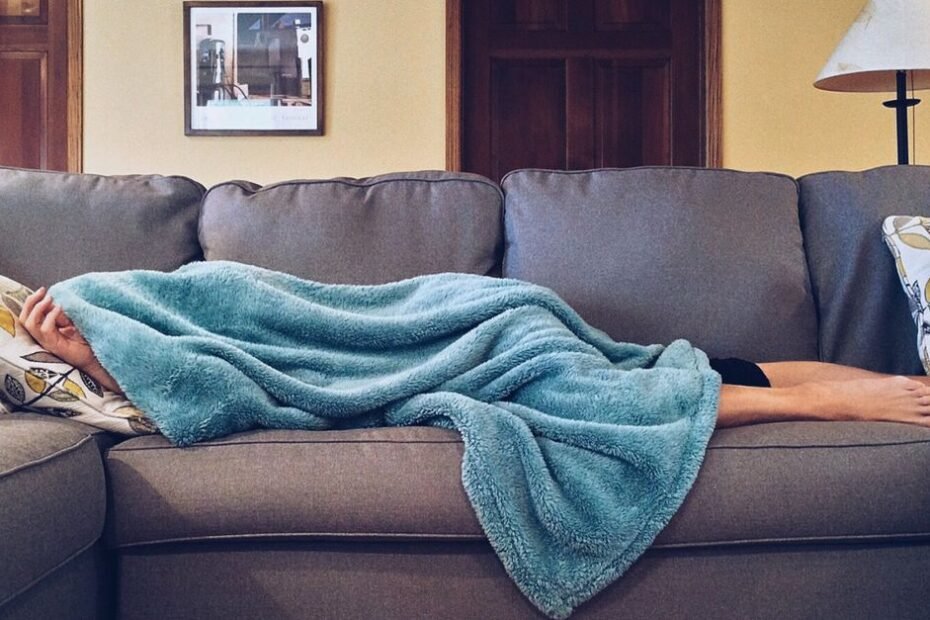
Somewhere around 2:30 p.m., your brain files for bankruptcy. The coffee isn’t working, the paragraph you’ve read four times still says nothing, and the couch begins broadcasting siren songs.
Also Read



Here’s the permission slip, backed by sleep science: the nap is not laziness. Done right — and “right” has surprisingly precise rules — a power nap is one of the most efficient cognitive tools a human being owns.
Quick answer: The perfect power nap is 10–20 minutes long, taken in the early afternoon (roughly 1–3 p.m.), in a dark-ish, cool, quiet spot — with an alarm set before you close your eyes. Twenty minutes keeps you in light sleep, so you wake refreshed instead of groggy; longer naps dive into deep sleep and trigger “sleep inertia” — that underwater feeling that can last an hour. Nap too late in the day and you spend tonight’s sleepiness early. Master those two dials — length and timing — and the nap becomes a superpower.
Key Takeaways
- 10–20 minutes is the magic window — refreshment without the deep-sleep grogginess.
- Nap in the early afternoon (1–3 p.m. for most) — riding the natural circadian dip, protecting tonight’s sleep.
- Set the alarm first, always — the nap’s benefits depend on the exit.
- Waking up worse means you slept too long: sleep inertia is a length problem, not a nap problem.
- The coffee nap is real: caffeine right before a 20-minute nap wakes up with you.
- Naps supplement good nights — they can’t replace them, and needing naps daily despite full nights is worth a check.
Why Do We Crash in the Early Afternoon?
That 2 p.m. slump isn’t your lunch, your job, or a personal failing — it’s architecture.
Human alertness runs on a circadian rhythm with a built-in afternoon dip: a genuine, hormone-driven trough in wakefulness six to eight hours after morning rise. Cultures with siestas didn’t invent laziness; they noticed the dip and scheduled around it.
Sleep scientist Matthew Walker — whose TED talk below makes the full case for sleep as a “superpower” — describes humans as naturally biphasic sleepers: wired for one long night sleep plus an afternoon rest. Modern schedules deleted the second phase; the sleepiness stayed.
So the goal isn’t defeating the dip with willpower and espresso. It’s spending it wisely — which is exactly what a power nap does.
Why Exactly 10–20 Minutes?
Because of what your brain does on a schedule the moment you fall asleep.
Sleep moves through stages: light sleep first (stages 1–2), then progressively deeper slow-wave sleep, with a full cycle running roughly 90 minutes. The stage you wake from determines how you feel:
Wake from light sleep (the first ~20 minutes): refreshed, clearer, mood lifted — the power-nap payoff. Light sleep alone measurably restores alertness and focus.
Wake from deep sleep (roughly 30–60 minutes in): sleep inertia — the heavy, disoriented, “worse than before” feeling that can shadow you for up to an hour. This is where naps get their bad reputation, and it’s entirely a timing accident.
The 90-minute full cycle is the advanced option: a complete cycle including dream sleep, waking naturally at the light end — genuinely restorative, but it’s a serious commitment and can dent nighttime sleep. For daily life, short wins.
Hence the rule that does most of the work in this article: set the alarm for 20–25 minutes (covering drift-off time), and get up when it rings.
When Should You Nap — and When Shouldn’t You?
Timing is the second dial, and it protects the thing more valuable than any nap: tonight.
The sweet spot: early afternoon, about 1–3 p.m. — riding the natural dip, far enough from bedtime that the nap spends only surplus sleepiness.
The cutoff: mid-late afternoon. Sleep pressure — the biological drive that makes you sleepy tonight — builds all day and gets partially spent by napping. A 5 p.m. nap withdraws from tonight’s account; insomnia at 11 p.m. is the overdraft fee.
Skip naps entirely if you struggle with insomnia at night — sleep specialists usually advise protecting every drop of sleep pressure for bedtime until nights stabilize. (Fix the nights first with sleep hygiene basics; the naps can return later.)
Shift workers, new parents, and the genuinely sleep-deprived play by survival rules instead — for them, almost any safe nap beats none.
How Do You Set Up the Perfect Nap? (The Checklist)
Five minutes of setup doubles the return:
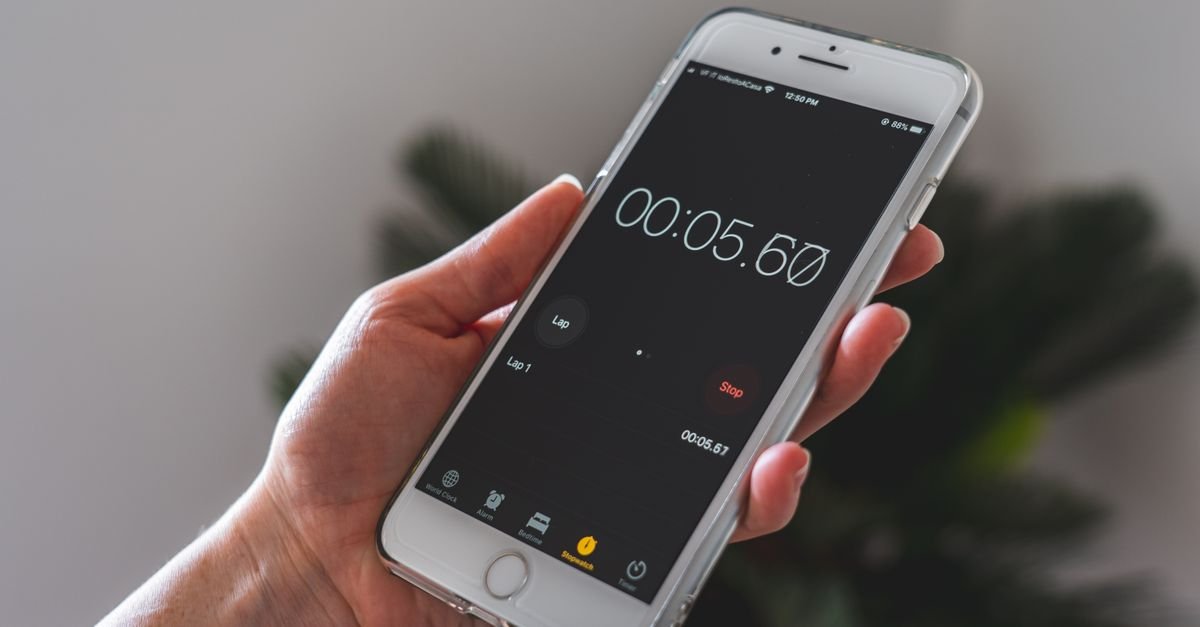
- Alarm first. 20–25 minutes, set before your head touches anything. Non-negotiable — the exit makes the nap.
- Dim the world. Curtains, or an eye mask (the single best nap investment); darkness tells the brain it’s allowed.
- Quiet or steady noise. A fan, white noise, or earplugs beat unpredictable household sounds.
- Slightly cool, definitely comfortable — couch or bed, shoes off, a light blanket (body temperature drops when you still).
- Phone on do-not-disturb — except the alarm. The nap that gets interrupted at minute nine delivers nothing.
- Don’t force sleep. Resting quietly with closed eyes for 20 minutes still refreshes — drifting off is a bonus, not a pass/fail test. (A lying-down body scan is the perfect can’t-sleep fallback — same rest, zero pressure.)
Nap-kit essentials — honest Amazon searches:

What Is a Coffee Nap — and Does It Actually Work?
The most delightfully counterintuitive trick in sleep science: drink your coffee, then immediately nap.
The logic is clean. Caffeine takes roughly 20 minutes to absorb and reach the brain. Nap during exactly that window and you get a double wake-up: the nap clears some adenosine (the sleepiness chemical), and the caffeine lands just as your alarm rings.
Nappers who try it consistently report the smoothest, most alert nap exits of their lives — the groggy transition papered over by perfectly timed caffeine.
The fine print: it only works with the short nap (the caffeine will happily wreck a 90-minute attempt), and it counts as caffeine for the day — so keep it inside your early-afternoon cutoff, per the timing rules in our wake-up-early guide.
How Do You Wake Up From a Nap Without the Fog?
The exit ritual, for the minutes right after the alarm:
Get vertical immediately. Lingering horizontal invites the second sleep — the one with the grogginess. Alarm rings, feet on floor.
Light, straight away. Curtains open or step outside — light is the fastest “day mode” signal the brain accepts.
Move for two minutes. A stretch, a walk to refill water, ten slow shoulder rolls — circulation finishes what the alarm started.
Cold water on the face or wrists for the stubborn days.
Still foggy despite a properly short nap? Check the length honestly (phone timestamps don’t lie), the depth of your sleep debt (a chronically shorted sleeper dives into deep sleep faster — making short naps groggier and better nights the real fix), and the time of day.
Who Benefits Most From Power Naps?
The under-slept majority — anyone running on less than a full night gets outsized returns: alertness, mood, and reaction time all measurably improve after a short nap.
Learners and creatives — naps support memory consolidation; the studied-then-napped brain retains more than the studied-then-scrolled one.
Shift workers and drivers — a 20-minute nap before a night shift or during a long-drive break is genuine safety equipment. Drowsy driving is impairment; the roadside nap is the professional response.
Parents of tiny humans — “sleep when the baby sleeps” survives as advice because fragmented nights make daytime top-ups arithmetic, not indulgence.
Anyone having an emotionally heavy day — naps regulate mood; the world is reliably 15% less catastrophic after twenty horizontal minutes. Pairing one into a mental health day is advanced self-care.
When Is Napping a Warning Sign Instead?
The honest section — because sometimes the nap is a symptom wearing a cozy blanket:
- Needing long naps daily despite full nights of sleep — persistent excessive sleepiness deserves a doctor’s look (sleep apnea, thyroid issues, and other treatable causes hide here).
- Naps as escape — sleeping to avoid the day, most days, can travel with low mood; that pattern belongs in a professional conversation, kindly and promptly.
- Loud snoring, gasping wake-ups, or unrefreshing sleep at any length — classic apnea flags; screening is easy and treatment is life-changing.
- Nightly insomnia plus daily napping — the cycle that feeds itself; break it at the nap end first, per the timing section.
The standing note: this guide is self-care education, not medical advice — persistent exhaustion has causes worth finding, and finding them is what professionals are for.
The 20-Minute Nap, Start to Finish (Copy This)
The whole protocol on one card:
- 1:30 p.m. — optional espresso for the coffee-nap variant.
- 1:32 — curtains drawn, phone on DND, alarm set for 1:55.
- 1:33 — couch or bed, eye mask on, light blanket, one long exhale. Rest happens whether or not sleep does.
- 1:55 — alarm. Feet on floor before the snooze thought completes.
- 1:56 — curtains open, glass of water, two-minute stretch.
- 2:00 — back to the day, running on the afternoon’s best legal performance enhancer.
Total cost: twenty-eight minutes. Total judgment received: zero — the science is on your side.
How Do You Nap at Work (Without a Bed or Shame)?
The nap’s biggest obstacle isn’t biology — it’s logistics. The field guide:
The car nap — the commuter’s secret weapon: seat reclined, sunshade up, phone alarm set, twenty minutes in the parking garage. Thousands of high performers swear by it and admit it to no one.
The lunch-hour nap — eat light and quick, then rest for the remainder: an unused meeting room, a quiet corner with an eye mask, or the car. Food coma plus circadian dip makes this the day’s most natural sleep window anyway.
The desk rest — where lying down is impossible, the head-down-on-folded-arms classic (a small pillow helps) still delivers: even quiet eyes-closed rest measurably restores attention.
The etiquette: a timer visibly set and a “back at 1:25” note reframes the nap as scheduled recovery rather than sneaking — which is exactly what it is. Workplaces that tolerate smoke breaks can tolerate rest breaks; you’re just choosing the one with health benefits.
What If You Hate Napping?
Some people wake from any nap feeling worse, schedules notwithstanding — nap responsiveness genuinely varies. The alternatives that deliver similar restoration: twenty minutes of eyes-closed quiet rest or a body scan, a brisk outdoor walk (light + movement is a legitimate alertness reset), or simply guarding a caffeine cutoff and an earlier night. The dip must be paid; the currency is negotiable.
Frequently Asked Questions
How long should a power nap be?
Ten to twenty minutes of actual sleep — so set the alarm for 20–25 minutes to allow drift-off time. That keeps you in light sleep, delivering refreshment without the deep-sleep grogginess that longer naps trigger.
What is the best time of day to nap?
Early afternoon, roughly 1–3 p.m. — riding the natural circadian dip while staying far from bedtime. Napping later spends tonight’s sleep pressure early and can push your bedtime back.
Why do I feel worse after napping?
You almost certainly slept too long and woke from deep sleep — that heavy, disoriented feeling is sleep inertia, and it’s a length problem, not a nap problem. Cap naps at ~20 minutes with an alarm, and exit into light and movement immediately.
Do coffee naps really work?
Yes — caffeine takes about 20 minutes to kick in, so drinking coffee immediately before a 20-minute nap means you wake just as it lands, stacking two alertness boosts. Keep it short and within your early-afternoon caffeine cutoff.
Is napping every day healthy?
A short early-afternoon nap most days is fine and, for many, beneficial — especially the under-slept. The flag is needing long naps daily despite full nights: persistent excessive sleepiness deserves a medical look rather than a bigger couch.
Should I nap if I have insomnia?
Generally no — napping spends the sleep pressure your nights desperately need, feeding the insomnia cycle. Sleep specialists usually advise skipping naps until nights stabilize, then reintroducing short early ones carefully.
What if I can’t fall asleep during a nap?
You still win — twenty minutes of quiet, eyes-closed rest measurably refreshes even without sleep. Treat drifting off as a bonus, not the goal; a lying-down body scan fills the time perfectly and removes the pressure that keeps you awake.
The bottom line
The afternoon dip is factory-installed; the nap is the factory response. Twenty minutes, early afternoon, alarm set first, light on exit — four rules that turn the 2 p.m. crash into a 2:30 restart. Set the timer and stop apologizing to the couch: science signed the permission slip years ago.

I'm Khan Laila, the founder and editor of The Self-Care Edit. I'm a dedicated self-care enthusiast and researcher (not a medical professional) on a mission to make relaxation, better sleep, and everyday wellbeing simpler and more accessible. I write and curate every guide here with genuine care, honest product picks, and a firm belief that self-care should be realistic and guilt-free.