
You are not lazy. If you were, you wouldn’t be reading an article about how to stop procrastinating — you’d be napping without guilt. Procrastination is not a time-management problem; it is an emotion-management problem. We delay tasks that make us feel something uncomfortable — boredom, confusion, self-doubt, resentment — and the delay works, for about ninety seconds. Then the task is still there, now wearing guilt as an accessory.
Also Read



The fix, then, isn’t another productivity app. It’s learning to lower the emotional cost of starting — and this guide walks you through exactly how, with kindness instead of drill-sergeant energy.
Key Takeaways
- Procrastination is emotion regulation, not laziness — you avoid the feeling, not the task.
- Starting is the whole battle: motivation follows action, not the other way around.
- The 2-minute opening move (just open the document, just put on the shoes) defeats the brain’s threat response.
- Self-criticism makes it worse — research consistently links self-forgiveness with less future procrastination.
- Chronic, life-disrupting avoidance can ride along with anxiety, ADHD, or depression — a professional is the right call there.
What Is Procrastination, Really?
Procrastination is voluntarily delaying something you intended to do, even though you expect to be worse off for the delay. That last clause matters — you know it will cost you, and you delay anyway.
That’s what separates it from rest, from scheduling, and from healthy prioritizing. Deciding to write the report tomorrow morning when you’re fresh is planning. Reorganizing your spice rack to avoid the report is procrastination — and your body can feel the difference even when your calendar can’t.
Why Do We Procrastinate? The Real Mechanism
Researchers who study this — most famously Dr. Tim Pychyl and Dr. Fuschia Sirois — describe procrastination as short-term mood repair. The task triggers an uncomfortable feeling; avoiding the task deletes the feeling instantly; your brain logs the avoidance as a win.
That makes procrastination a loop, not a character flaw. Every successful avoidance trains tomorrow’s avoidance. And it explains the strangest symptom: we even procrastinate on things we want to do — the hobby project, the workout we always enjoy — because wanting something badly raises the emotional stakes of doing it imperfectly.
Which Feeling Are You Actually Avoiding?
Next time you catch yourself dodging a task, name the feeling underneath. It’s usually one of six: boredom, frustration, confusion (“I don’t know where to start”), self-doubt (“I’ll do it badly”), resentment (“I shouldn’t have to do this”), or overwhelm (“it’s too big”).
Naming it matters because each feeling has a different fix — confusion needs a smaller first step, resentment needs a boundary conversation, self-doubt needs a lower bar for the first draft.

Is Procrastination the Same as Laziness?
No — and the difference is visible from the outside. Laziness is indifference: no intention, no discomfort, no guilt. Procrastination is the opposite: high intention, high discomfort, and a running meter of guilt the whole time you’re avoiding.
Most procrastinators are ambitious people with high standards — that’s precisely why the tasks feel threatening. Calling yourself lazy isn’t just inaccurate; it actively feeds the shame that fuels the next round of avoidance.
The Procrastination Doom Loop, Mapped
The cycle runs in five steps, and you can interrupt it at any of them:
1. Trigger: the task appears and sparks discomfort. 2. Escape: you switch to something easier — usually the phone. 3. Relief: the discomfort vanishes; the brain records “escape works.” 4. Guilt: the task is still there, and now you feel worse about yourself. 5. Higher stakes: the deadline is closer and the guilt is heavier, so the task feels more threatening than before — goto step 1.
Everything in this guide is a way of breaking one link in that chain.
What Does Procrastination Cost You?
Being honest about the price tag is motivating without being cruel. Chronic procrastination is linked in research with higher stress, worse sleep, poorer health habits (we even procrastinate on doctor visits), and — the quiet one — the constant background hum of an unfinished task following you into your evenings.
The task you avoid all day is the heaviest thing you carry. You don’t get the time back as leisure; you spend it feeling bad about not working.
Why “Just Do It” Advice Always Fails
Willpower advice assumes the problem is insufficient pressure. But procrastinators are already under enormous pressure — that’s the problem. Adding more (“you MUST finish this tonight”) raises the emotional temperature of the task, which raises the urge to escape it.
The counterintuitive move that actually works: lower the stakes. Make starting so small and so forgivable that there’s nothing left to escape from.
The Starting Toolkit: Seven Openers That Beat the Freeze
1. The Two-Minute Threshold
Commit only to the first two minutes: open the document, put on the running shoes, wash one dish. You are allowed to stop after two minutes — genuinely allowed, or the trick doesn’t work.
Most of the time you’ll continue, because the discomfort you were avoiding lives almost entirely in the anticipation. Starting deletes it.
2. Shrink the Task Until It’s Not Scary
“Write the report” is a threat. “Open the file and write one ugly sentence” is a errand. If you still can’t start, the step is still too big — halve it again. There is no step too small to count.
3. Permission to Do It Badly
Perfectionism is procrastination’s favorite disguise. The antidote is the deliberate rough draft: tell yourself the first version is supposed to be bad — its only job is to exist. You cannot edit a blank page, but you can fix a bad one.
4. The 5-Second Launch
When you feel the impulse to act, count down 5-4-3-2-1 and move before your brain files an objection. It sounds silly; it works because hesitation is where avoidance breeds.
5. Body First, Task Second
If you’re too keyed up to start, spend sixty seconds downshifting: a slow exhale-heavy breath cycle borrowed from our breathing exercises guide lowers the alarm enough to make the first step reachable. A calm body starts tasks a stressed body flees.
6. Temptation Bundling
Pair the avoided task with something you genuinely enjoy, allowed only during the task: the good coffee only while doing invoices, the favorite playlist only while cleaning. You’re paying the emotional toll with pleasure instead of willpower.
7. Tell One Person
“I’m sending you the draft by Friday” converts a private negotiation into a small social contract. Choose a kind witness, not a harsh one — accountability works through connection, not fear.

How Do I Handle the Phone? The Environment Fix
Your environment out-votes your intentions. Every visible escape hatch — the phone on the desk, the open tabs, the TV remote — lowers the effort of avoidance to zero.
Make escape mildly inconvenient: phone in another room (not face-down — gone), one browser window, headphones on even with nothing playing. You don’t need a monastery; you need avoidance to cost twenty seconds instead of zero. If your phone is the main leak, our digital detox guide goes deeper on rebuilding that relationship.
Does the Pomodoro Technique Actually Work?
For most procrastinators, yes — because it fixes the two hardest parts: starting (25 minutes is an unthreatening ask) and stopping (a sanctioned break removes the “this will consume my whole evening” dread).
Run it gently: 25 minutes on, 5 off, and after four rounds take a real 20–30 minute break away from the screen. If 25 feels heavy on a bad day, do 10. The interval is a tool, not a rule.
What If the Task Is Genuinely Boring?
Some tasks aren’t scary — they’re just tedious, and tedium is a real feeling your brain wants to escape too. Boredom responds to three levers: speed (race a timer — “how much can I clear in 15 minutes”), company (body doubling — work alongside someone, in person or on a video call), and bundling (podcast + laundry, playlist + inbox).
And batch it: ten tedious five-minute tasks scattered through a week cost far more activation energy than one focused “admin hour.”
Why Do I Procrastinate at Night on Sleep Itself?
“Revenge bedtime procrastination” — staying up scrolling to reclaim me-time you didn’t get all day — is the same mechanism pointed at your pillow. The scroll is mood repair; the cost lands at 6 a.m.
The fix is honest: schedule real leisure earlier so the evening isn’t your only unclaimed hour, then protect the wind-down. Our evening wind-down routine is built for exactly this handoff.

The Self-Compassion Section (Read This One Twice)
Here is the counterintuitive finding that changes everything: in a well-known study of students, those who forgave themselves for procrastinating on one exam procrastinated less on the next one. Shame fuels the loop; self-forgiveness starves it.
The mechanics are simple. Avoidance is driven by bad feelings about the task. Self-attack adds more bad feelings. More bad feelings mean more to escape from — so the whip you crack at yourself is, functionally, procrastination fuel.
Practical self-compassion isn’t letting yourself off the hook; it’s talking to yourself like you’d talk to a friend who slipped: “That happened. It makes sense — the task felt awful. What’s the smallest next step?” Then take the step. Kindness plus action beats shame plus paralysis every time.
How Do I Stop Procrastinating on Big, Vague Projects?
Big projects don’t get done; next actions get done. “Plan the wedding” and “fix my finances” are unstartable because they aren’t actions — they’re categories.
Translate every project into its very next physical action: not “do taxes” but “find last year’s return in email.” Write the next action down where you’ll see it — a simple planner or a journaling practice both work — and when you finish one, immediately write the next. Vagueness is the procrastinator’s fog; next-actions are headlights.
What About Deadlines I Keep Blowing Through?
Self-imposed deadlines fail because your brain knows they’re negotiable. Two upgrades: make them external (a booked meeting, a promised delivery, a class that starts at 7) and make them early (the real deadline minus a buffer, so the panic monster wakes up while there’s still time to do good work).
And schedule the work, not the deadline: “report due Friday” produces Thursday-night panic; “report block, Tuesday 9–10:30” produces a Tuesday draft.
Morning Person or Night Owl: When Should You Schedule the Hard Thing?
Put the most-avoided task in your best energy window — for most people that’s the first two hours of the day, before decision fatigue and before the inbox sets your agenda. One avoided task done before noon changes the entire day’s emotional weather.
If your mornings are currently chaos, our guide to waking up earlier pairs naturally with this — not to hustle harder, but to buy yourself one quiet hour that belongs to your priorities.
When Is Procrastination Something More?
Everyday procrastination is universal. But if avoidance is disrupting your job, relationships, or health for months at a stretch, it may be traveling with something that deserves proper support: ADHD (task initiation is a core executive-function challenge, not a moral one), anxiety disorders (avoidance is anxiety’s signature move), or depression (where the missing ingredient is energy, not discipline).
If that pattern sounds familiar, talking to a doctor or therapist isn’t an overreaction — it’s the efficient move. Strategies in this guide still help, but they work far better alongside the right support than instead of it.
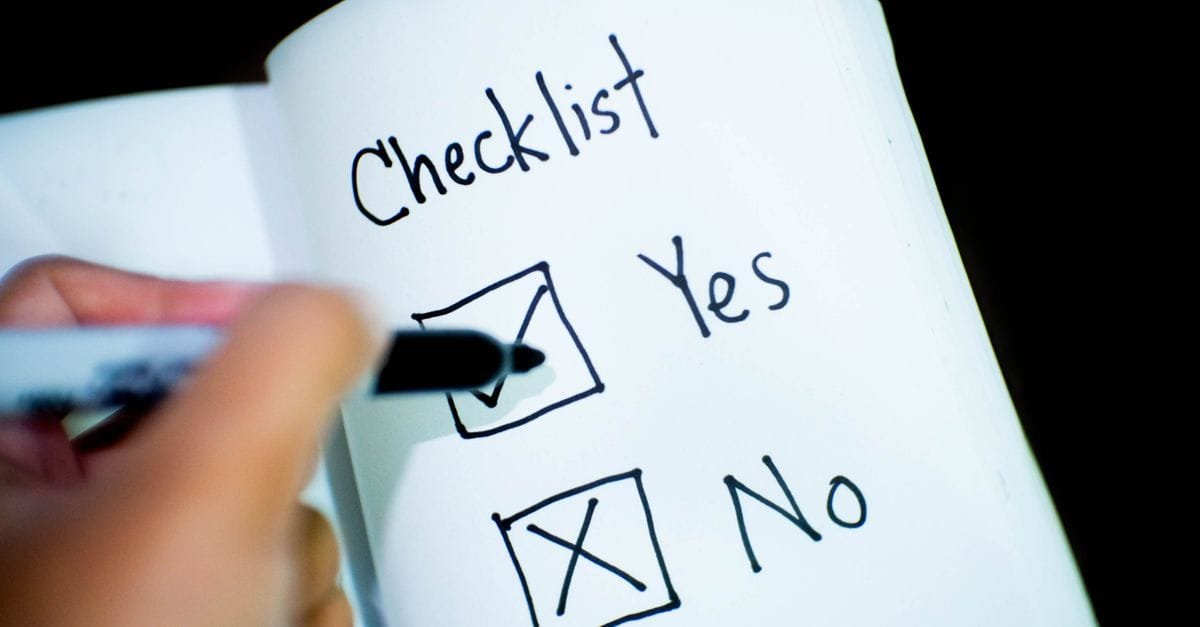
Your Gentle Anti-Procrastination Starter Plan
Don’t implement everything — that would be procrastination bait. For the next seven days, run just this:
Each morning: choose ONE avoided task. Write its two-minute opening move on paper. Before starting: phone in another room, one slow breath. Then: do only the opening move; continue if you want to. If you slip: one sentence of self-forgiveness, then the two-minute move again. Each evening: note what feeling you were avoiding — one line in a journal is plenty.
Seven days of that beats seven years of productivity-app shopping.
A Few Honest Tools That Help
No product cures procrastination — the work above does. But a few simple tools lower the friction: a paper planner for next-actions (screens are where avoidance lives), a visual timer for gentle Pomodoros, and a journal for the evening one-liner.
Two paper tools beat every app for this:
Frequently Asked Questions
Is procrastination a mental illness?
No — procrastination itself is a common human behavior, not a diagnosis. But chronic, life-disrupting avoidance can be a symptom of ADHD, anxiety, or depression, so persistent struggle is worth discussing with a professional.
Why do I procrastinate even on things I enjoy?
Because enjoyment raises the stakes. When something matters to you, doing it imperfectly feels threatening, and your brain protects you from that feeling by delaying. Lowering the bar for the first attempt usually unlocks it.
What is the fastest way to stop procrastinating right now?
The two-minute threshold: commit only to the first two minutes of the task — open the file, put on the shoes. Anticipation holds most of the discomfort, and starting deletes it.
Does self-discipline cure procrastination?
Not on its own. Research points to emotion regulation, not willpower, as the core issue — which is why self-forgiveness and lowering the emotional cost of starting outperform self-criticism in studies.
Is procrastination linked to perfectionism?
Strongly. Perfectionists delay because starting means risking a result that falls short of the standard. Giving yourself explicit permission to produce a rough first version breaks that freeze.
What is revenge bedtime procrastination?
Staying up late scrolling to reclaim personal time you didn’t get during the day. It trades tomorrow’s energy for tonight’s autonomy — the fix is scheduling real leisure earlier and protecting a wind-down routine.
How long does it take to stop procrastinating?
You can interrupt the loop today with the two-minute rule, but rewiring the habit takes consistent weeks. Expect progress with relapses — and remember that forgiving the relapse is part of the method, not a failure of it.

I'm Khan Laila, the founder and editor of The Self-Care Edit. I'm a dedicated self-care enthusiast and researcher (not a medical professional) on a mission to make relaxation, better sleep, and everyday wellbeing simpler and more accessible. I write and curate every guide here with genuine care, honest product picks, and a firm belief that self-care should be realistic and guilt-free.