
To calm your nervous system quickly, the most reliable tools are slow breathing with a long exhale, grounding through your senses, and gentle warmth or pressure — all of which signal to your body that it’s safe to relax. These shift you out of “fight or flight” and into the calmer “rest and digest” state, often within a few minutes. This guide shares simple, science-friendly techniques you can use anytime to soothe a frazzled, overstimulated nervous system.
Also Read



Modern life keeps many of us in a low-grade state of stress — always alert, always “on.” Learning to calm your nervous system on purpose is one of the most valuable self-care skills there is. The good news is that you have more control than you might think, through small, gentle practices you can do anywhere.
What “Calming Your Nervous System” Actually Means
Your autonomic nervous system has two main modes. The sympathetic (“fight or flight”) branch revs you up in response to stress, while the parasympathetic (“rest and digest”) branch calms you down. When you’re chronically stressed, you can get stuck in that revved-up state, leaving you anxious, tense, and exhausted. “Calming your nervous system” simply means gently activating the parasympathetic side — sending your body the signal that the threat has passed and it’s safe to soften. The techniques below all do exactly that in different ways.
Signs Your Nervous System Needs Soothing
How do you know you’re dysregulated? Common signs include feeling constantly on edge or anxious, a racing mind, trouble sleeping, a tight chest or shoulders, irritability, feeling overwhelmed by small things, and difficulty relaxing even when you have time. You might feel “wired but tired.” None of this means anything is wrong with you — it’s a normal response to too much stress and stimulation. Recognizing these signs is the first step; the next is gently guiding your body back toward calm.
1. Slow, Deep Breathing
Breathing is the fastest, most direct way to influence your nervous system. Slow, deep breaths from your belly tell your body it’s safe to relax. Try breathing in slowly through your nose, letting your belly expand, then exhaling gently. Even a minute or two makes a difference. Breathing is the foundation of nervous-system regulation, and it’s always available to you — see our full guide to simple breathing exercises.
2. Extend Your Exhale
Here’s the key detail: a longer exhale than inhale is what most strongly activates your calming response. Try breathing in for a count of four and out for a count of six (or eight). The extended out-breath gently slows your heart rate and eases tension. Repeat for a few rounds whenever you feel stress rising. This one small tweak turns ordinary breathing into a powerful off-switch for your stress response, and you can do it invisibly anywhere.
3. Ground Yourself Through Your Senses
When your mind is racing, anchoring into your senses pulls you back to the safe, present moment. Notice five things you can see, four you can hear, three you can touch, two you can smell, and one you can taste. Feeling your feet on the floor or holding something textured works too. Sensory grounding interrupts the anxious spiral and reminds your body that, right now, you’re okay — explore more in our guide to grounding techniques.

4. Use Cold Water
A splash of cold water on your face — or holding something cold — can quickly calm an overactive nervous system. Cold on the face, especially around the eyes and cheeks, triggers a natural reflex that slows your heart rate and brings a sense of calm. It’s a simple, fast reset when you feel panicky or overwhelmed. A cool washcloth, a cold drink, or stepping outside into fresh air can all help shift your state when you need it most.
5. Move and Stretch Gently
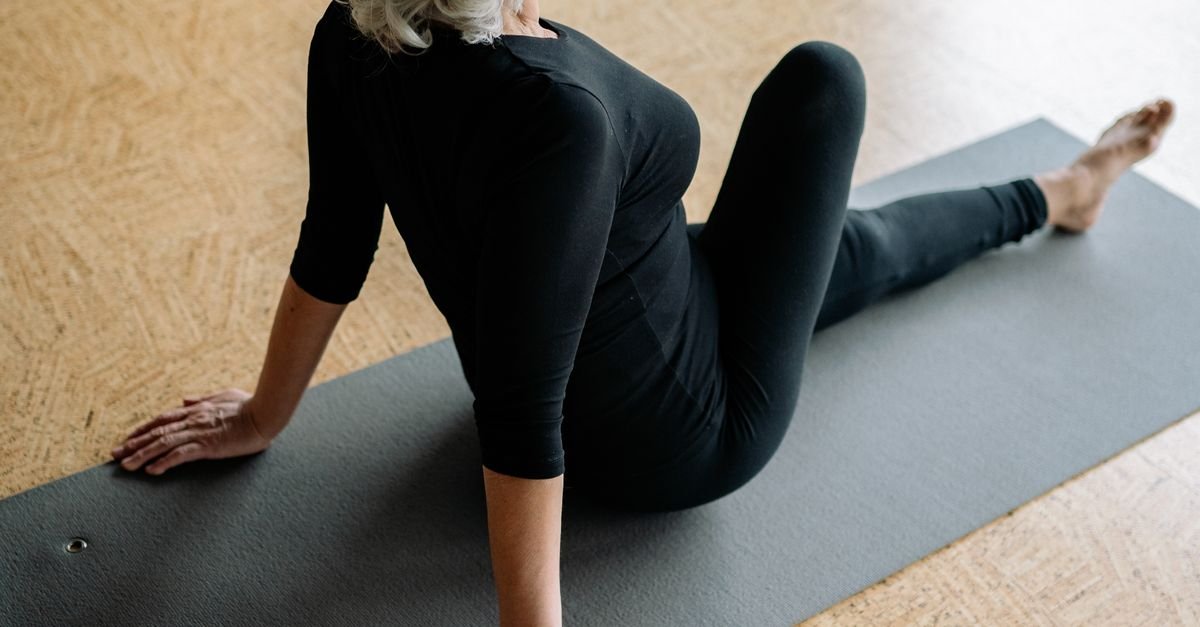
Stress gets stored in the body, so gentle movement helps release it. A slow walk, some easy stretching, shaking out your hands and arms, or a few yoga poses can discharge nervous energy and signal safety to your system. You don’t need an intense workout — in fact, gentle, mindful movement is often more calming than vigorous exercise when you’re already wound up. Tune into your body, move slowly, and let the tension melt as you go.
6. Hum, Sing, or Sigh
Your vagus nerve — a key player in relaxation — runs through your throat, so humming, singing, gentle gargling, or even a long audible sigh can stimulate it and promote calm. A slow “voo” hum on the exhale is a simple practice many people find surprisingly soothing. It might feel a little odd at first, but these vocal vibrations are an easy, free way to nudge your body toward its rest-and-digest state. Try a few long hums next time you feel tense.

7. Add Warmth and Gentle Pressure
Warmth and gentle, even pressure are deeply soothing to the nervous system. Wrapping up in a cozy blanket, using a heat pack on your shoulders, or curling up under a weighted blanket can create a calming, hugged sensation that helps your body relax. The deep-pressure feeling of a weighted blanket, in particular, is loved for easing anxiety and aiding sleep — see our guide to the best weighted blankets, or browse a weighted blanket to try it.
Soothe Your Senses with Tea and Scent
Calming rituals work beautifully alongside these techniques. A warm cup of herbal tea — chamomile, lavender, or lemon balm — combines warmth, ritual, and gently soothing herbs (see our picks for calming teas). Aromatherapy helps too: calming scents like lavender can ease tension when diffused or applied as a roller (more in our guide to aromatherapy for beginners). Engaging your senses with warmth and gentle scent gives your nervous system extra cues that it’s safe to unwind.
Build a Daily Regulation Practice
These techniques work best when practiced regularly, not just in crisis. Weaving small calming moments into your day — a few slow breaths at red lights, a humming session in the shower, a grounding pause before bed — keeps your baseline stress lower over time. Think of it like gently training your nervous system to find calm more easily. The more you practice when you’re already relatively relaxed, the more readily these tools work when you really need them.
Calming Your Nervous System When Anxious
When anxiety spikes, combine techniques for the strongest effect: slow your exhale, splash cold water or hold something cold, ground through your senses, and remind yourself that the feeling will pass. Keep your favorite tools ready so you don’t have to think in the moment. With practice, you’ll learn which combination works best for you. Knowing you have reliable ways to calm yourself is itself reassuring, making anxious moments feel far more manageable.
Why Consistency Matters More Than Intensity
You don’t need to do all of these every day. Pick a couple that resonate and practice them often — consistency is what gradually shifts your nervous system toward greater calm and resilience. A minute of slow breathing done daily will do more than an hour-long session once a month. Be patient and gentle with yourself; nervous-system regulation is a practice, not a quick fix, and small, steady efforts genuinely add up over time.
A Calmer, Steadier You
Learning to calm your nervous system is a gift you give yourself again and again. With a handful of simple tools — breath, grounding, cold, warmth, movement, and sound — you can meet stressful moments with more steadiness and recover from them faster. Start with one or two techniques that feel good, practice them gently, and let your sense of calm grow over time. Your nervous system is wonderfully responsive to care, and every small, soothing practice helps it feel a little safer.
Create a Calm Space at Home
Your environment shapes your nervous system more than you might realize. Carving out a small, soothing corner — soft lighting, a cozy blanket, a candle or diffuser, and minimal clutter — gives you a go-to place to reset. Even keeping your bedroom calm and screen-free supports your body’s ability to wind down. You don’t need a whole room; just a comfortable spot that signals “this is where I relax.” Returning to the same calming space regularly helps your brain associate it with safety and rest, making it easier to settle.
Small Habits, Big Difference
You don’t have to overhaul your life to feel calmer. The magic is in tiny, repeated habits — a few slow breaths before you get out of bed, a humming session in the shower, a grounding pause before a stressful meeting, a warm cup of tea in the evening. These micro-moments gently lower your overall stress load and gradually retrain your nervous system toward calm. Choose one or two that fit naturally into your day, and let them become second nature. Small, kind habits really do add up to a steadier, more peaceful you.
Key Takeaways
- Calming your nervous system means activating the “rest and digest” response.
- The fastest tools: slow breathing with a long exhale, sensory grounding, and cold water.
- Warmth, weighted pressure, gentle movement, and humming all soothe your system too.
- Calming teas and aromatherapy add extra sensory cues of safety.
- Practice regularly, not just in crisis — consistency builds lasting calm.
What does it mean to calm your nervous system?
Calming your nervous system means shifting your body out of the stressed “fight or flight” state and into the relaxed “rest and digest” state. This is where your body recovers, digests, and feels at ease.
When you are stressed, your nervous system stays on high alert. Learning to switch it into a calmer mode, on purpose, is at the heart of managing stress and feeling more settled day to day.
What is the vagus nerve’s role?
The vagus nerve is a key part of your body’s relaxation system, connecting your brain to many organs. Activating it helps switch you into that calmer, rest-and-digest state.
Many soothing practices — slow breathing, humming, gentle movement, cold water on the face — gently stimulate this nerve. You do not need the science to benefit, but it explains why these simple techniques work so well.
How does breathing calm the nervous system?
Slow, deep breathing, especially with a long exhale, directly signals your nervous system that you are safe, lowering your heart rate and easing tension within minutes.
Because breathing is something you can consciously control, it gives you direct access to your body’s calming system anytime. A few slow breaths are one of the fastest ways to soothe a stressed nervous system.
What quick techniques soothe the nervous system?
Several simple tools help fast: slow breathing, splashing cool water on your face, humming or singing, gentle stretching, a warm drink, or grounding through your senses.
Each nudges your body toward calm. Having a few favorites ready means you can settle yourself whenever stress rises, wherever you are, without any special equipment.
How does routine support a calm nervous system?
A steady, predictable routine is deeply reassuring to your nervous system. Regular sleep, meals, movement, and calming rituals give your body a reliable rhythm that reduces background stress.
When life feels chaotic, familiar daily anchors help you stay settled. Consistency signals safety, making it easier for your nervous system to stay in a calm, balanced state.
How do you build long-term nervous system resilience?
Over time, regular calming practices train your nervous system to return to calm more quickly after stress. Daily breathing, movement, good sleep, and connection all build this resilience gradually.
Like any training, the benefit comes from consistency, not intensity. Small soothing habits practiced regularly make your whole system steadier, so everyday stresses affect you less and pass more quickly.
Can food and movement calm your nervous system?
Yes, both play a supporting role. Gentle movement like walking, stretching, or yoga helps release tension and signals safety to your body, while balanced meals and good hydration keep your energy and mood steady.
Too much caffeine or sugar, on the other hand, can leave you jittery and on edge. Nourishing your body well and moving it gently each day gives your nervous system a calmer, more stable foundation to work from.
Frequently Asked Questions
How do I calm my nervous system quickly?
Breathe slowly with a longer exhale than inhale (in for 4, out for 6), splash cold water on your face, and ground yourself through your senses. These activate your body’s calming response within minutes.
What does a dysregulated nervous system feel like?
It often feels like being constantly on edge, anxious, or “wired but tired,” with a racing mind, tense body, trouble sleeping, and feeling easily overwhelmed. It’s a normal response to too much stress.
Does a weighted blanket help calm the nervous system?
For many people, yes. The gentle, even deep pressure creates a calming, hugged sensation that can ease anxiety and support relaxation and sleep.
How often should I practice these techniques?
Little and often is best. A few minutes daily — even when you’re already calm — trains your nervous system to find calm more easily when you need it.
When should I get professional help?
If anxiety or stress regularly interferes with your daily life, sleep, or relationships, please reach out to a doctor or mental-health professional. These techniques work well alongside professional support.
This guide is for general wellbeing and isn’t medical advice. If you’re struggling with anxiety or chronic stress, please speak with a qualified professional.

I'm Khan Laila, the founder and editor of The Self-Care Edit. I'm a dedicated self-care enthusiast and researcher (not a medical professional) on a mission to make relaxation, better sleep, and everyday wellbeing simpler and more accessible. I write and curate every guide here with genuine care, honest product picks, and a firm belief that self-care should be realistic and guilt-free.