Some links in this post are affiliate links. If you buy through them, we may earn a small commission at no extra cost to you. We only recommend things we genuinely believe in.
Also Read



Meditation for beginners is simpler than it sounds: you sit comfortably, focus on your breath, and gently bring your attention back each time it wanders – starting with just five minutes a day. The wandering isn’t failure; noticing it and returning is the practice. Here’s everything you need to start today.
Key Takeaways
- Meditation is attention training, not emptying your mind.
- Start small – five minutes a day beats an occasional long session.
- A wandering mind is normal – returning to your breath is the exercise.
- No equipment needed – just a quiet spot and a few minutes.
- Consistency matters far more than doing it “perfectly.”
What is meditation?
Meditation is a practice of training your attention and awareness to become calmer and more present.
Most beginner meditation is a form of mindfulness – gently focusing on something, usually the breath, and noticing when your mind drifts. It’s less about switching off and more about learning to observe your thoughts without getting swept away.
The short “Meditation 101” video below is a friendly overview before you begin.
What are the benefits of meditation?
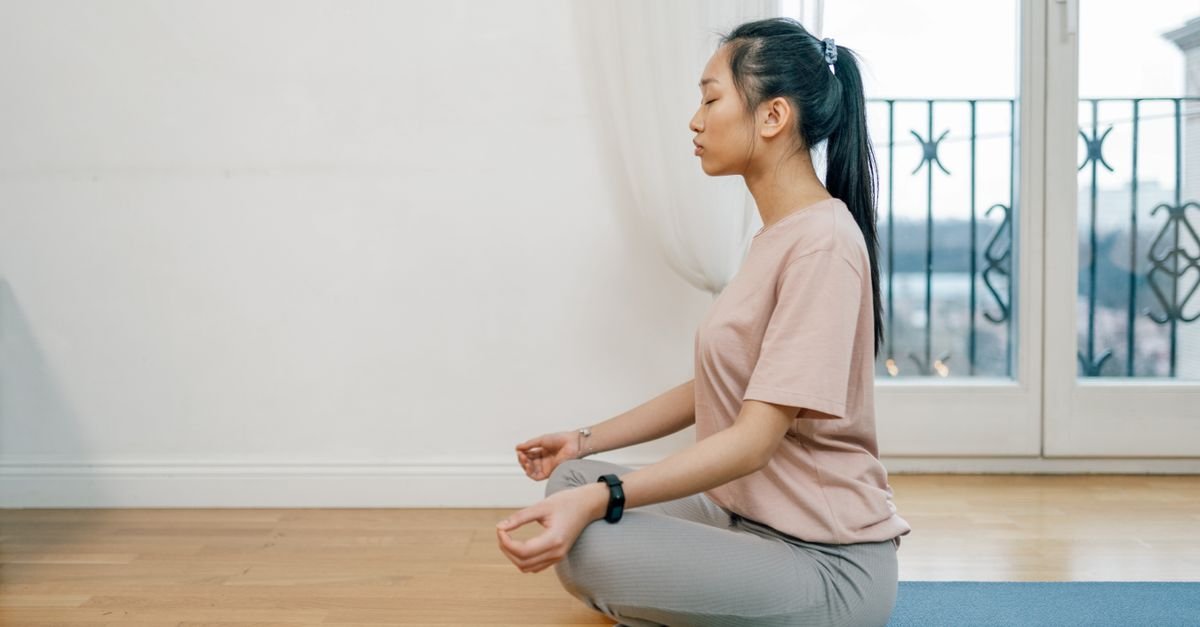
Meditation is one of the most researched wellness practices, and the reported benefits are wide-ranging.
Studies and practitioners commonly link regular meditation to lower stress, better focus, improved emotional balance, and easier sleep. Many people simply feel calmer and less reactive.
It’s not a cure-all, but as a gentle daily habit it can make a real difference to how you feel.
Common myths about meditation
A few misconceptions stop people before they start.
- “I have to empty my mind.” No – you just notice thoughts and return your focus.
- “I’m bad at it because I get distracted.” Getting distracted is part of the practice.
- “I don’t have time.” Five minutes counts.
- “It’s religious or mystical.” It can be secular and simple.
Let go of doing it “right,” and you’ve already cleared the biggest hurdle.
How to meditate: a simple step-by-step for beginners
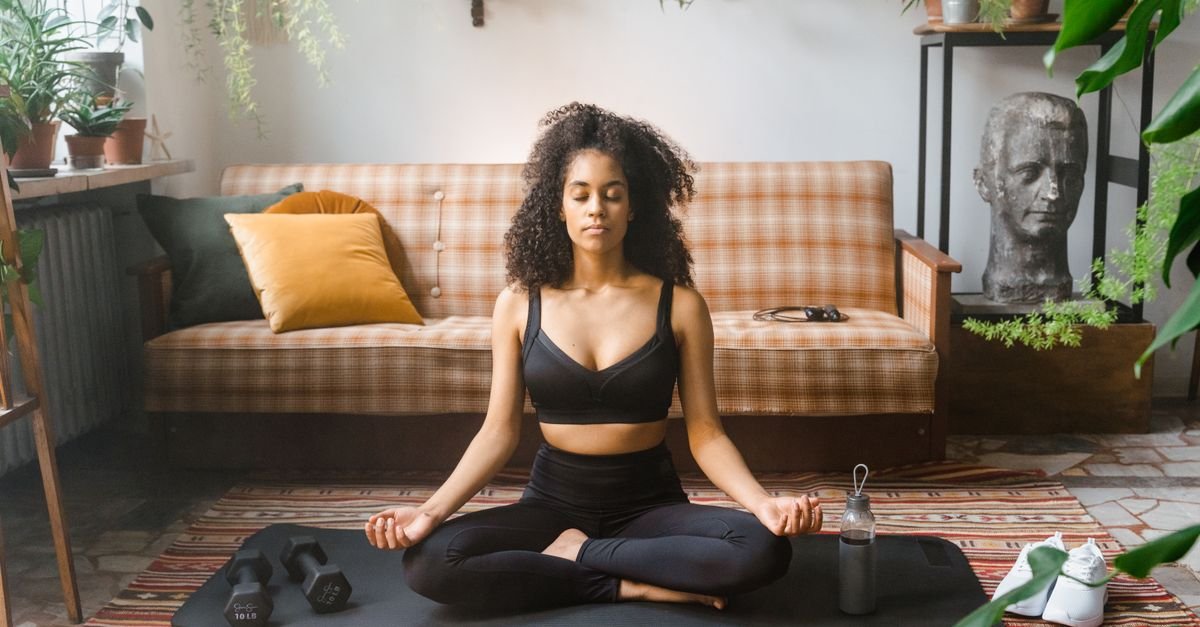
Here’s a beginner-friendly practice you can try right now.
- Find a quiet spot and sit comfortably, on a chair or cushion, back gently upright.
- Set a timer for five minutes so you’re not clock-watching.
- Close your eyes and take a few slow, natural breaths.
- Focus on your breath – the sensation of air in and out.
- When your mind wanders, gently notice it and return to the breath, without judgment.
- When the timer ends, take a moment before opening your eyes.
That’s it. Repeat daily, and everything else is just variations on this.
Types of meditation to try

Once you’re comfortable, you can explore different styles.
- Mindfulness/breath: the classic beginner practice above.
- Body scan: slowly moving attention through the body to release tension.
- Loving-kindness: silently sending goodwill to yourself and others.
- Guided: following a recorded voice or app.
- Mantra: silently repeating a calming word or phrase.
Try a few and keep whichever feels most natural to you.
How long should beginners meditate?
Start short and let it grow naturally.
Five minutes a day is a perfect beginning – short enough to actually do, long enough to feel the effect. As it becomes a habit, you can extend to ten, fifteen or twenty minutes if you like.
A consistent five minutes beats an ambitious thirty you never get around to.
What’s the best time of day to meditate?
The best time is whenever you’ll actually do it.
Morning meditation sets a calm tone for the day, while evening meditation helps you unwind and sleep. Some people do a little of both.
Attaching it to an existing habit – after brushing your teeth, before coffee – makes it far easier to stick to.
What do you do when your mind wanders?
Your mind will wander constantly, and that’s completely normal.
Each time you notice you’ve drifted into thinking, that noticing is a moment of mindfulness – simply guide your attention back to the breath. There’s no need to be frustrated.
Beginners often think wandering means they’re failing; in truth, returning again and again is exactly how the practice works.
How to build a daily meditation habit
The magic of meditation is in the repetition.
Anchor it to a daily cue, keep sessions short at first, and track your streak gently. Missing a day isn’t failure – just begin again the next.
Our guide to building better habits makes it easier to keep going.
Do you need any equipment to meditate?
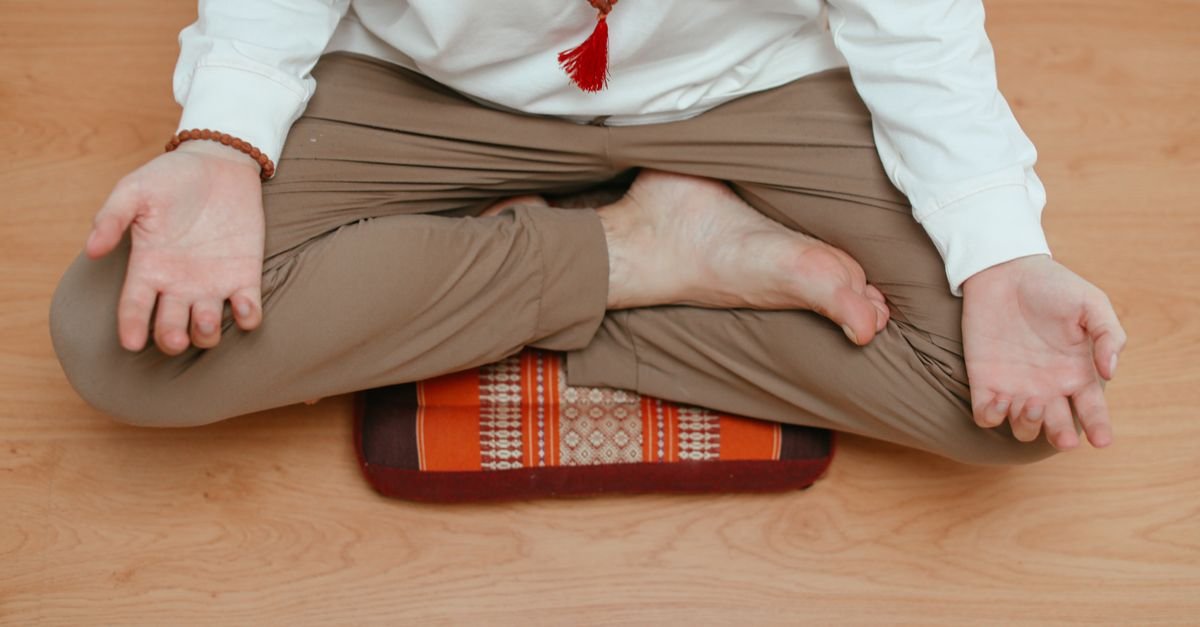
You need nothing but yourself and a few quiet minutes.
That said, some people find a comfortable meditation cushion makes sitting easier, and a meditation app or simple tools can help beginners stay consistent with guided sessions.
See our picks for meditation cushions and meditation tools, or browse meditation cushions on Amazon.
Shop Comfortable Meditation Cushions →
Meditation for anxiety and stress
Meditation is a gentle, well-loved tool for a busy, anxious mind.
By training you to observe thoughts rather than chase them, it can ease stress and loosen the grip of overthinking. Pair it with our nervous-system calming techniques for extra support.
If anxiety is severe or persistent, meditation works best alongside professional care, not instead of it.
Guided vs unguided meditation
Both are valid, and beginners often prefer guided.
Guided meditation gives you a voice to follow, which makes starting far less daunting. Unguided (silent) meditation offers more freedom once you’re comfortable sitting with your own attention.
Start guided if silence feels intimidating, then experiment with unguided as you grow.
Can meditation help you sleep?
Meditation is a wonderful wind-down for a racing mind.
A short evening practice or a body scan in bed can calm the nervous system and make it easier to drift off. It pairs beautifully with good sleep habits.
See our sleep hygiene guide to build a restful routine around it.
Common beginner mistakes
- Expecting a blank mind. Thoughts will come – just return your focus.
- Starting too long. Five minutes is plenty at first.
- Judging yourself. There’s no “bad” meditation.
- Being inconsistent. A little daily beats a lot occasionally.
- Giving up too soon. The benefits build with time.
How long until meditation works?
Some effects are immediate; others build gradually.
Many people feel a little calmer after a single session, while the deeper benefits – better focus, steadier emotions, less reactivity – develop over weeks of regular practice.
Treat it like exercise for the mind: consistency over time is what brings the real change.
A simple 5-minute meditation to follow right now
If you’d like to try straight away, here’s a gentle sequence you can follow with your eyes closed.
Sit comfortably and take three slow breaths. Then let your breathing return to its natural rhythm and bring your attention to the sensation of the breath – cool air in, warm air out.
When you notice your mind has wandered, and it will, quietly say “thinking” to yourself and guide your attention back to the breath. No frustration, just a gentle return.
Keep going for a few minutes. When you’re ready, take one deeper breath, notice how you feel, and slowly open your eyes. That’s a complete meditation – nothing fancy required.
How to stay consistent when motivation fades
The hardest part of meditation isn’t the sitting – it’s remembering to do it once the novelty wears off.
Anchor it to something you already do daily, like your first coffee or brushing your teeth, so it rides on an existing habit.
Keep sessions short enough that skipping feels sillier than just doing them. If you miss a day, don’t turn it into a story about failing – simply begin again the next. A meditation habit is built from gentle restarts, not perfect streaks.
What to expect in your first month
Beginners often expect instant calm and worry when they don’t feel it, so it helps to know what’s normal.
In the early days you’ll mostly notice how busy your mind is. That’s not a setback – it’s simply you becoming aware of what was always there.
Over a few weeks, most people find they return to the breath more easily and feel a little steadier between sessions. The change is quiet and gradual, more like building fitness than flipping a switch.
Using meditation apps as a beginner
Guided meditation apps can be a wonderful on-ramp when sitting in silence feels intimidating.
A calm voice walks you through each step, which removes the guesswork and helps you stay focused in the early days.
Try a few free sessions before paying for anything, and don’t feel you need an app forever – many people use one to learn, then happily meditate on their own. It’s a tool, not a requirement.
Meditation for a busy mind
If your mind feels too busy to meditate, you’re exactly the kind of person who benefits most.
A racing mind isn’t a sign you can’t meditate – it’s the very thing the practice gently works with. You’re not trying to stop the thoughts, just to keep coming back from them.
On especially busy days, try a guided session or a walking meditation, where the movement gives your attention something to rest on. Meeting yourself where you are beats forcing a stillness you’re not ready for.
Meditation myths worth letting go of
A few lingering myths make meditation feel harder than it really is.
You don’t need to sit for an hour, chant, or empty your mind completely. You don’t need to feel blissful, and you genuinely can’t do it “wrong” if you’re gently returning your attention.
Letting go of these expectations removes most of the pressure – and makes it far more likely you’ll actually keep going.
How meditation changes your everyday life
The real payoff of meditation shows up off the cushion, in ordinary moments.
Many regular meditators notice they pause before reacting, feel less swept away by stress, and catch themselves spiraling sooner. Small gaps open up between a trigger and your response.
These shifts are subtle at first and easy to miss day to day, but over months they can meaningfully change how you move through life.
Combining meditation with other self-care
Meditation works beautifully alongside other calming habits rather than in isolation.
Pairing it with gentle movement, time in nature, journaling or a good sleep routine amplifies the benefits of each. A few quiet minutes after a walk, for instance, feels especially settling.
Think of meditation as one thread in a wider self-care routine, woven through your week rather than treated as a standalone task.
Frequently Asked Questions
How do I start meditating as a beginner?
Find a quiet spot, sit comfortably, set a timer for five minutes, and focus on your breath. Each time your mind wanders, gently return your attention to the breath without judgment. Repeat daily – that simple practice is the foundation of all meditation.
How long should a beginner meditate?
Start with about five minutes a day. It’s short enough to actually do consistently and long enough to feel the benefit. As meditation becomes a habit, you can gradually extend to ten, fifteen or twenty minutes if you wish.
Is it normal for my mind to wander during meditation?
Completely normal – it happens to everyone, including experienced meditators. Noticing that your mind has wandered and gently returning to your breath is the actual exercise. Wandering isn’t a sign you’re doing it wrong.
Do I need to empty my mind to meditate?
No, and trying to is a common myth that puts people off. Meditation isn’t about having no thoughts; it’s about noticing them and returning your focus, again and again. A busy mind can still meditate perfectly well.
What’s the best time of day to meditate?
Whenever you’ll reliably do it. Morning meditation sets a calm tone for the day, and evening meditation helps you unwind for sleep. Attaching it to an existing daily habit makes it much easier to stick with.
Do I need special equipment to meditate?
No – all you need is a quiet spot and a few minutes. Some people find a comfortable cushion makes sitting easier, and a guided-meditation app can help beginners stay consistent, but neither is essential to start.
How long before meditation makes a difference?
You may feel a little calmer after your very first session, while deeper benefits like improved focus and emotional steadiness build over a few weeks of regular practice. Think of it as training a muscle – consistency is what brings lasting results.
The bottom line
Meditation for beginners really is as simple as sitting, breathing, and gently returning your attention when it drifts.
Start with five minutes a day, let go of doing it perfectly, and explore the styles that suit you.
Be patient and consistent, and the calm will build over time. To weave it into your days, see our self-care routine guide.

I'm Khan Laila, the founder and editor of The Self-Care Edit. I'm a dedicated self-care enthusiast and researcher (not a medical professional) on a mission to make relaxation, better sleep, and everyday wellbeing simpler and more accessible. I write and curate every guide here with genuine care, honest product picks, and a firm belief that self-care should be realistic and guilt-free.