Some links in this post are affiliate links. If you buy through them, we may earn a small commission at no extra cost to you. We only recommend things we genuinely believe in.
Also Read



Self-care isn’t just bubble baths – it spans several types (physical, emotional, mental, social, spiritual, practical, professional and sensory), and real wellbeing comes from keeping them roughly in balance. Once you know the types, you can spot which one you’re neglecting and give yourself what you actually need. Here’s the full breakdown.
Key Takeaways
- Self-care is more than pampering – it covers many areas of life.
- The main types are physical, emotional, mental, social, spiritual, practical, professional and sensory.
- Balance matters – most of us over-do one type and neglect others.
- Check in to find which type you’re missing right now.
- Self-care isn’t selfish – it’s what lets you show up for everything else.
What is self-care, really?
Self-care is any intentional activity you do to look after your physical, mental and emotional health.
It’s not indulgent or a luxury – it’s basic maintenance for a human being. And it’s far broader than the spa-day image social media often sells.
The short video below is a friendly intro to thinking about self-care in categories.
Why understanding the types of self-care matters

Knowing the types helps you care for yourself more completely.
Many people default to one kind – usually physical or sensory (rest, treats) – while neglecting emotional or social needs. That’s why a bubble bath sometimes doesn’t fix how you feel.
When you can name the type you’re missing, you can meet the real need instead of guessing.
The main types of self-care
Here are the key types, with simple ways to practice each.
1. Physical self-care
Caring for your body – sleep, movement, nutrition, hydration and rest.
It’s the foundation everything else sits on. Good sleep habits are one of the highest-impact places to start.
2. Emotional self-care
Acknowledging and processing your feelings rather than bottling them up.
Journaling, talking things through, and self-compassion all count. A gratitude practice is a lovely form of emotional self-care.
3. Mental self-care
Keeping your mind stimulated, calm and clear.
Reading, learning, reducing mental clutter, and easing overthinking all support your mental wellbeing.
4. Social self-care
Nurturing relationships and connection.
Quality time with people who lift you up, and stepping back from those who drain you, are both social self-care. Humans are wired for connection.
5. Spiritual self-care
Connecting to meaning, purpose or something bigger than yourself.
This can be religious or entirely secular – meditation, time in nature, or reflecting on your values all qualify.
6. Practical self-care
Handling the everyday tasks that reduce future stress.
Managing your finances, tidying your space, and organizing your time are unglamorous but powerful forms of care – they prevent stress before it starts.
7. Professional self-care
Protecting your wellbeing at work.
Taking breaks, and especially setting boundaries, keep work from consuming everything and help prevent burnout.
8. Sensory self-care
Soothing your senses to calm your nervous system.
Cozy textures, calming scents, soft music and pleasant light all ground you in the present moment – this is where the classic bath and candle fit in.
How to know which type of self-care you need
A quick check-in reveals the gap.
Ask yourself: Am I tired or run-down (physical)? Lonely (social)? Overwhelmed in my mind (mental)? Emotionally bottled up (emotional)? Lacking meaning (spiritual)? The area that stings is usually the one you’ve been neglecting.
Matching your self-care to that answer is far more effective than defaulting to the same treat every time.
How to build a balanced self-care routine
You don’t need to do all eight types every day – just avoid ignoring whole categories.
Aim to touch different types across your week: movement and sleep (physical), connection (social), quiet or reflection (mental/spiritual), and something soothing (sensory). Small and consistent beats big and rare.
Our self-care routine guide shows how to put it together.
Self-care doesn’t have to cost money
Some of the best self-care is completely free.
A walk, a nap, a heartfelt chat, journaling, or ten quiet minutes cost nothing yet meet real needs. Self-care is about attention, not spending.
For plenty of no-cost ideas, see our guide to self-care on a budget.
Simple self-care ideas for each type
Here’s a quick menu to pull from when you know what you need.
- Physical: an early night, a walk, a glass of water, a stretch.
- Emotional: journaling, a good cry, naming your feelings.
- Mental: a book, a puzzle, a break from the news.
- Social: a call to a friend, or gentle time alone if you’re peopled-out.
- Spiritual: meditation, nature, gratitude.
- Practical: a tidy drawer, a sorted to-do list.
- Professional: a real lunch break, a firm boundary.
- Sensory: a warm bath, a candle, cozy socks, calm music.
Keep this list handy for low days when it’s hard to think.
Products that make self-care easier
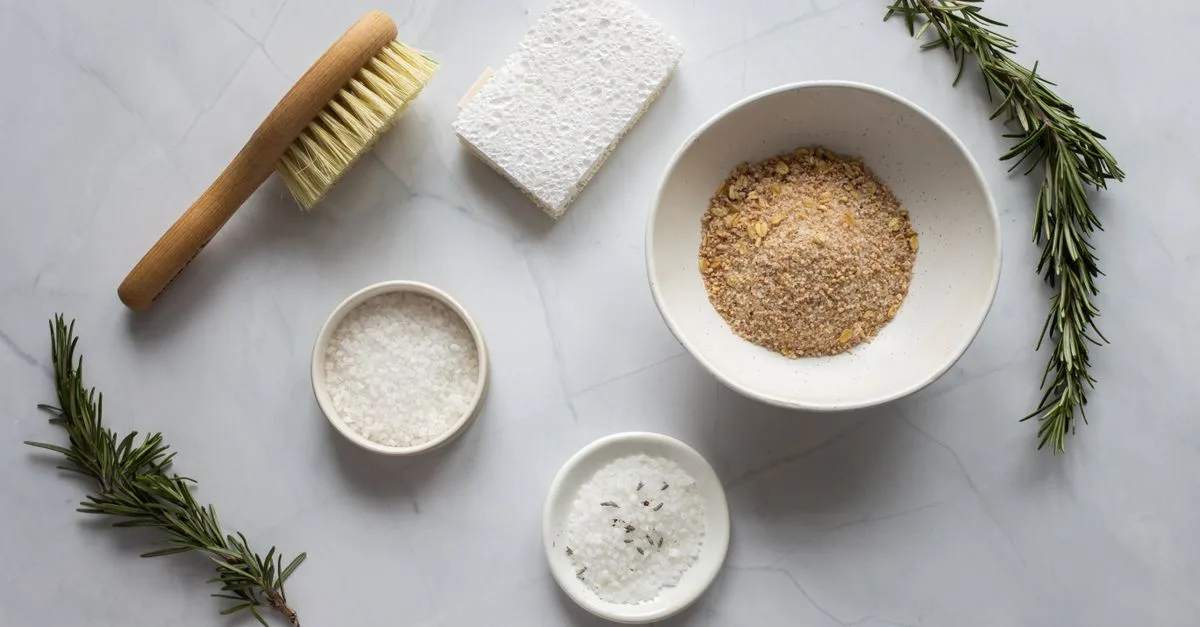
You don’t need to buy anything to practice self-care – but a few comforts help, especially for physical and sensory care.
Popular options include a ready-made self-care kit, spa-day essentials for a home reset, and small comforts like candles, teas and cozy textures.
See our picks for self-care kits and at-home spa day essentials, or browse self-care kits on Amazon.
Self-care for busy people
No time is the most common reason people skip self-care – so make it tiny.
Micro-moments count: a few deep breaths, a short walk, one page of a book. You don’t need an hour; you need consistency.
Our guide to self-care for busy parents is full of realistic ideas that fit a packed life.
Self-care isn’t selfish
Many people feel guilty prioritizing themselves – but self-care is what makes everything else possible.
You can’t pour from an empty cup. Looking after yourself means you have more patience, energy and presence for the people and work you care about.
Reframing self-care as maintenance, not indulgence, makes it far easier to protect.
Common self-care mistakes to avoid
- Only doing one type. Balance across categories matters most.
- Treating it as a reward. Self-care is a need, not a prize for productivity.
- Making it complicated. Small, simple acts are the most sustainable.
- Feeling guilty. Caring for yourself helps everyone around you.
- Using it to avoid real problems. Sometimes the kind act is addressing the issue.
When self-care isn’t enough
Self-care is powerful, but it’s not a substitute for professional help.
If you’re struggling with persistent low mood, anxiety or feelings that don’t lift, please reach out to a doctor or therapist. Self-care works best alongside proper support, not instead of it.
Asking for help is one of the most caring things you can do for yourself. This article is general information, not medical advice.
A weekly self-care check-in you can actually keep
A short weekly check-in keeps your self-care balanced without turning it into another chore.
Once a week, run through the types and ask which felt full and which got neglected. Then pick just one small thing to top up the emptiest one.
A Sunday reset is a natural time for this. It takes five minutes and stops any single area – usually rest or connection – from being quietly ignored for weeks on end.
How to fit self-care into a packed schedule
The most common barrier to self-care isn’t willingness – it’s time. The fix is to shrink it, not skip it.
Attach small acts to things you already do: a few deep breaths before you start the car, a proper lunch break, a five-minute tidy, a real chat instead of a rushed text.
Self-care woven into your existing day is far more sustainable than a big session you keep postponing. Consistency beats intensity every time.
Self-care for different seasons of life
What you need from self-care changes as your life does, and that’s exactly as it should be.
A new parent, someone in a demanding job, and someone moving through grief all need very different things. The types stay the same; the balance shifts.
Check in with what this season actually asks of you rather than clinging to a routine that suited an earlier chapter. Flexibility is part of caring for yourself well.
The difference between self-care and self-soothing
Not everything that feels comforting in the moment is truly caring for you.
Self-soothing – endless scrolling, snacking, an extra glass of wine – eases discomfort briefly but can leave you feeling worse. Genuine self-care sometimes means doing the harder, kinder thing.
Both have their place, but it’s worth noticing which one you’re reaching for. Real self-care tends to leave you feeling better afterwards, not just distracted for a while.
How to start a self-care routine from scratch
If self-care feels overwhelming to begin, start with a single, tiny anchor.
Pick one type you’ve been neglecting and add one small daily act – a short walk, an earlier bedtime, ten quiet minutes. Let it become automatic before adding anything else.
Building slowly, one habit at a time, is far more sustainable than an ambitious routine you abandon within a week. Small and consistent always wins.
Self-care and mental health: how they connect
Good self-care supports mental health, but it isn’t a replacement for treatment when you need it.
Regular care across the different types builds resilience and can ease everyday stress and low mood. It’s a foundation, not a cure.
If you’re struggling with persistent anxiety, depression or feelings that don’t lift, please reach out to a doctor or therapist. Self-care works best alongside professional support, never instead of it.
Making self-care a habit, not a treat
Self-care sticks best when it stops being a reward you have to earn.
Build a few small acts into your normal routine so they happen automatically, the way you’d brush your teeth. That way they survive the busy, stressful weeks – which is exactly when you need them most.
The aim is a quiet baseline of care running through ordinary life, not an occasional rescue mission when you’re already depleted.
Common myths about self-care
A few myths make self-care feel indulgent or out of reach.
It isn’t selfish, it doesn’t require money or spare hours, and it’s far more than bubble baths and treats. It’s simply the ongoing, sometimes unglamorous work of looking after yourself.
Letting go of these myths makes it much easier to give yourself the care you’d freely offer anyone else.
Signs you’re neglecting your own self-care
It’s easy to let self-care slide without noticing until you’re running on empty.
Common warning signs include constant tiredness, a short temper, dreading ordinary tasks, and feeling resentful of everyone who needs something from you.
If several of these sound familiar, treat them as a gentle nudge rather than a failing. They usually mean one or two types of self-care have been quietly neglected and need topping up.
Frequently Asked Questions
What are the main types of self-care?
The commonly cited types are physical, emotional, mental, social, spiritual, practical, professional and sensory self-care. Each covers a different area of wellbeing, and looking after yourself well means keeping them roughly in balance rather than focusing on just one.
What is the most important type of self-care?
There’s no single most important type – it depends on what you’re neglecting. That said, physical self-care (sleep, movement, nutrition) is the foundation everything else rests on. The best type to focus on is whichever area feels most depleted right now.
Isn’t self-care just bubble baths and treats?
No – that’s only sensory self-care, one of several types. True self-care also includes rest, processing emotions, nurturing relationships, setting boundaries and handling practical tasks. That’s why a treat sometimes doesn’t fix how you feel; you may need a different type.
How do I know which type of self-care I need?
Check in with yourself: are you run-down (physical), lonely (social), mentally overwhelmed (mental), emotionally bottled up (emotional), or lacking meaning (spiritual)? The area that feels most depleted is usually the one to focus on. Match your self-care to that need.
Does self-care have to cost money?
Not at all. Some of the best self-care – a walk, a nap, a chat with a friend, journaling, quiet time – is completely free. Self-care is about giving yourself attention and meeting a real need, not about spending money.
Is self-care selfish?
No. Self-care is basic maintenance that lets you show up with more energy, patience and presence for others. You can’t pour from an empty cup, so caring for yourself ultimately benefits the people and responsibilities you care about too.
How often should I practice self-care?
Ideally a little every day, woven into your routine, rather than saved for occasional big gestures. Small, consistent acts across the different types keep you balanced. Even a few mindful minutes counts on busy days.
The bottom line
Self-care is far bigger than pampering – it spans your body, mind, emotions, relationships, meaning, work and senses.
Learn the types, check in to find the one you’re neglecting, and keep them gently in balance.
Keep it small, simple and guilt-free, and reach out for professional help when you need it. To put it all together, start with our self-care routine guide.

I'm Khan Laila, the founder and editor of The Self-Care Edit. I'm a dedicated self-care enthusiast and researcher (not a medical professional) on a mission to make relaxation, better sleep, and everyday wellbeing simpler and more accessible. I write and curate every guide here with genuine care, honest product picks, and a firm belief that self-care should be realistic and guilt-free.