A smart scale turns a single number into a fuller picture of your health — weight, body fat, muscle, water and more — and syncs it all to your phone so you can watch the trend instead of stressing over one morning. The trick is picking one that’s accurate on weight, honest about its limits, and plays nicely with the apps you already use. Our top pick for 2026 is the Withings Body Comp, which pairs clinic-comparable readings with the best health app in the business.
Also Read


Below are ten scales worth buying this year, sorted by what you actually need — best overall, best value, best budget, best for athletes, and more. First, a quick guide so you buy the right one and read the numbers wisely.
How to choose a smart scale
What does a smart scale actually measure?
Every smart scale weighs you, then most send a tiny, safe electrical signal through your body — bioelectrical impedance, or BIA — to estimate body composition.
From that they report body fat %, muscle mass, body water, bone mass, BMI and sometimes visceral fat. Then the app charts it all over weeks and months.
How accurate are they, really?
Here’s the honest part. On weight, good smart scales are very accurate — usually within a pound of a doctor’s scale.
On body fat and muscle, BIA is an estimate, not a lab result. Readings can swing 3–5% with hydration, meal timing and recent exercise, and they’re less accurate than a DEXA scan.
That doesn’t make them useless — it means you should watch your own trend under the same conditions (same time of day, similar hydration), not chase the exact daily figure.
A quick safety note
Because BIA scales pass a small current through you, most makers advise against using the body-composition feature if you have a pacemaker or other implanted medical device — it can usually still be used as a plain weight scale, but check the manual.
BIA body-fat readings also aren’t validated during pregnancy. When in doubt, ask your doctor.
Check the app & ecosystem
The app is half the product. Look for one that’s easy to read and syncs with what you already use — Apple Health, Google Fit, Fitbit or Garmin Connect.
Wi-Fi scales upload automatically the moment you step off; Bluetooth ones need your phone nearby. Multi-user support matters if the whole household will weigh in.
Make the numbers useful
A scale gives you data; what you do with it is what counts. Pair your readings with our free tools: check your BMI, find your healthy weight range, and work out your daily calorie needs to set realistic goals.
Smart scale or a regular one — do you need one?
Be honest with yourself about how you’ll use it.
A regular digital scale is cheaper, needs no app, and if all you want is your weight, it does the job perfectly. A smart scale earns its keep when you’ll actually open the app — to watch trends, track body composition, and stay motivated by seeing progress you can’t feel day to day.
If the extra numbers would just stress you out, a simple scale (or the “eyes-closed” trend mode some smart scales offer) is the kinder choice. Wellness is the goal, not another thing to obsess over.
How we chose these scales
We favoured scales with accurate, consistent weight readings, well-reviewed apps, and honest expectations about BIA’s limits. We balanced premium accuracy against real-world value, covered every budget, and flagged the safety notes that matter — because the best scale is the one you’ll use calmly and consistently.
The best smart scales for 2026
1. Withings Body Comp — Best overall
Best for: anyone who wants the most complete, accurate picture and a beautiful app.
The Body Comp uses multi-frequency BIA for more reliable readings, tracks a huge range of metrics including visceral fat, and syncs to the excellent Withings Health Mate app. Up to eight user profiles, too.
Skip it if you only care about weight — you’d be paying for features you won’t use.
2. RENPHO — Best value
Best for: most people who want solid body-composition tracking without spending much.
RENPHO is the Amazon best-seller for good reason: a clean app, thirteen-plus body metrics, unlimited users and a friendly price. It’s the one we recommend to most friends.
3. Wyze Scale X — Best budget
Best for: smart tracking on the tightest budget.
For the price of a couple of coffees, the Wyze Scale X gives you body composition, heart-rate reading and a tidy app. Astonishing value for a smart scale.
4. Garmin Index S2 — Best for athletes
Best for: Garmin watch owners and serious trainers.
The Index S2 feeds body-composition data straight into Garmin Connect alongside your training, sleep and recovery. In testing, its body-fat readings tracked impressively close to a DEXA scan.
Skip it if you’re not in the Garmin ecosystem — the value is in that integration.
5. Eufy Smart Scale P3 — Best mid-range body composition
Best for: lots of metrics and a big, clear display for a reasonable price.
Anker’s Eufy scale offers a generous set of body metrics, a bright colour display, and a polished app — a well-rounded step up from budget models.
6. Withings Body Smart — Best for weight tracking
Best for: people focused on weight and simple trends, who still want Withings quality.
A more affordable Withings that nails the essentials — accurate weight, body composition, and a clever “eyes-closed” mode that hides the number and shows only encouraging trends. Kind to your headspace.
7. Etekcity Smart Fitness Scale — Best simple smart scale
Best for: an easy, no-fuss smart scale that just works.
Etekcity keeps it simple and affordable: reliable weight, core body metrics, unlimited users and a straightforward app. A great first smart scale.
8. FITINDEX — Best app for body metrics
Best for: data lovers who want detailed breakdowns for little money.
FITINDEX pairs a budget scale with a surprisingly detailed app, tracking a long list of metrics and trends. Popular with people who like to dig into their numbers.
9. Greater Goods WiFi Smart Scale — Best value Wi-Fi
Best for: automatic syncing without a premium price.
Wi-Fi means your readings upload the instant you step off — no phone needed nearby. Greater Goods offers that convenience affordably, with a clean app and a charitable-giving mission behind the brand.
10. Fitbit Aria Air — Best for Fitbit users
Best for: anyone living in the Fitbit app.
The Aria Air keeps it simple — weight and BMI that flow straight into your Fitbit dashboard beside your steps, sleep and heart rate. No body-fat BIA, but seamless if Fitbit is your home base.
At-a-glance comparison
| Scale | Best for | Connection | Stand-out |
|---|---|---|---|
| Withings Body Comp | Overall | Wi-Fi | Multi-frequency BIA, best app |
| RENPHO | Value | Bluetooth | 13+ metrics, unlimited users |
| Wyze Scale X | Budget | Bluetooth | Body comp + heart rate, tiny price |
| Garmin Index S2 | Athletes | Wi-Fi | Garmin Connect integration |
| Eufy Smart Scale P3 | Mid-range | Bluetooth | Colour display, many metrics |
| Withings Body Smart | Weight tracking | Wi-Fi | Eyes-closed trend mode |
| Etekcity | Simple | Bluetooth | Easy, unlimited users |
| FITINDEX | Detailed app | Bluetooth | Lots of metrics, cheap |
| Greater Goods | Value Wi-Fi | Wi-Fi | Auto-sync, gives back |
| Fitbit Aria Air | Fitbit users | Bluetooth | Seamless Fitbit sync |
Turn your numbers into action
A scale is only as useful as what you do with the readings. Once you know your weight and body composition, set goals that actually fit you:
- Check where you sit with our BMI Calculator.
- Find your healthy target with the Ideal Weight Calculator.
- Work out how much to eat with the Daily Calorie Calculator.
Then let the scale show you the trend — small, steady progress beats chasing the daily number.
How to get an accurate reading
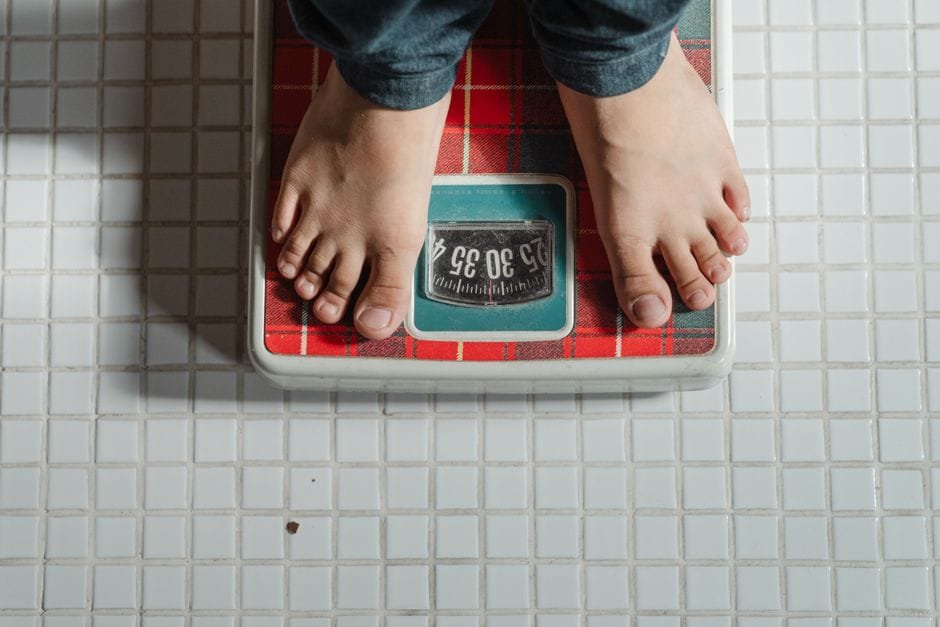
- Same time, same conditions. Weigh first thing in the morning, after the bathroom, before eating or drinking.
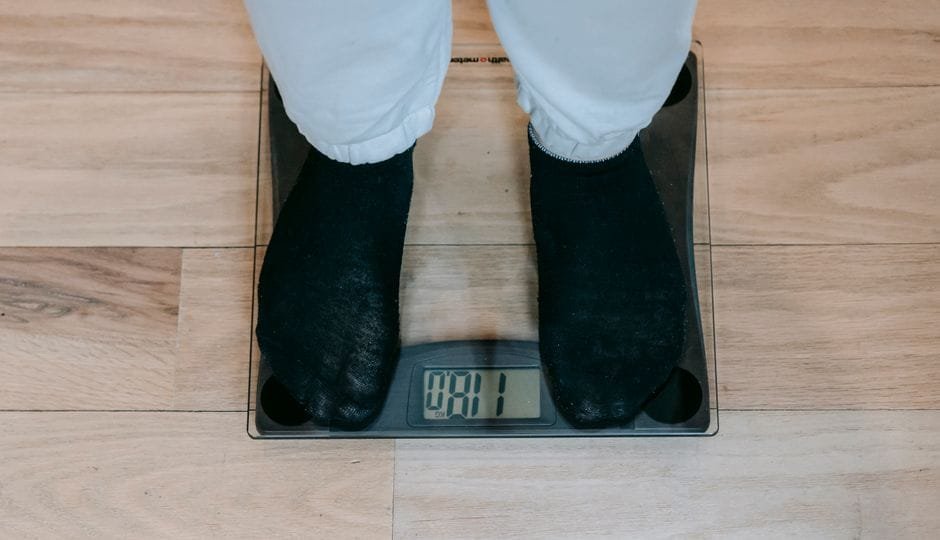
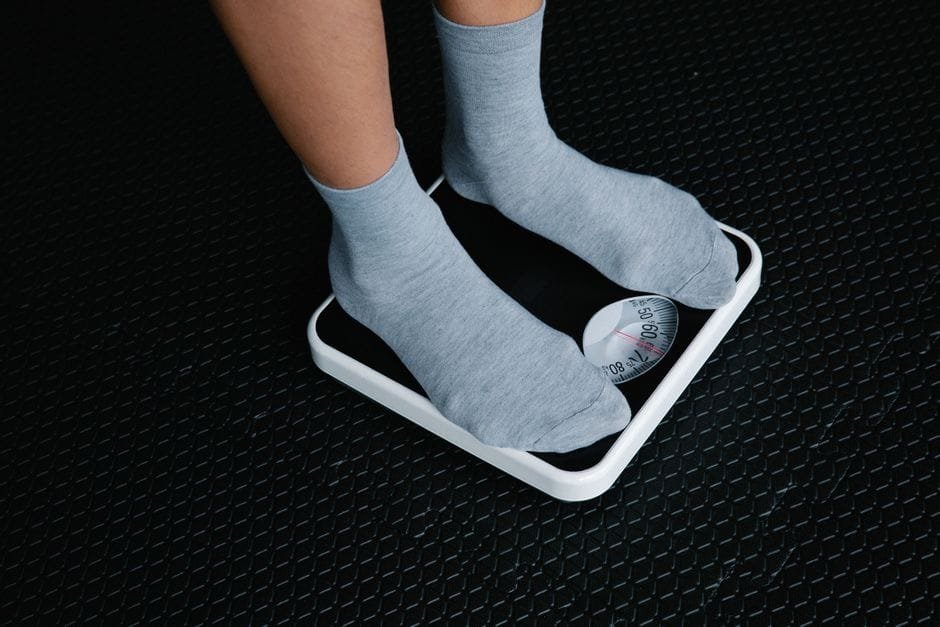
- Bare feet on a hard floor. Socks block the BIA signal, and carpet throws off the weight.
- Stand still and evenly. Balance your weight on both feet and wait for the reading to settle.
- Track the trend, not the day. Weight naturally swings a couple of pounds daily with food, water and hormones — look at the weekly average.
Common smart-scale mistakes to avoid
- Obsessing over daily numbers. Normal fluctuation is 2–4 lb; watch the weekly trend instead.
- Trusting body-fat % as exact. BIA is an estimate — use it to see change over time, not as a precise figure.
- Weighing under different conditions. After a meal, a workout or on carpet, readings won’t compare.
- Ignoring the app. The trends and charts are where the value lives — set it up and check in weekly.
- Using BIA with a pacemaker. Skip the body-composition mode and check your manual if you have an implanted device.
Key takeaways
- Best overall: Withings Body Comp — accurate, feature-rich, best app.
- Best value: RENPHO — the Amazon favourite for good reason.
- Best budget: Wyze Scale X — smart tracking for pocket change.
- Read BIA wisely: weight is accurate; body-fat is an estimate — track the trend.
- Turn data into goals with our BMI, Ideal Weight and Calorie calculators.
- Safety: avoid BIA body-composition mode if you have a pacemaker.
Frequently Asked Questions
Are smart scales accurate?
For weight, yes — good ones are within about a pound of a doctor’s scale. For body fat and muscle, they use bioelectrical impedance, which is an estimate that can vary 3–5% with hydration and timing. Track your trend under the same conditions rather than trusting a single figure.
How do smart scales measure body fat?
They pass a tiny, safe electrical current up one leg and down the other. Fat, muscle and water conduct that current differently, so the scale estimates your body composition from the resistance — a method called bioelectrical impedance analysis (BIA).
Are smart scales safe during pregnancy or with a pacemaker?
Most makers advise against the BIA body-composition feature if you have a pacemaker or implanted medical device, and BIA isn’t validated in pregnancy. You can usually still use these as a plain weight scale — check the manual and ask your doctor if unsure.
Do I need Wi-Fi or is Bluetooth enough?
Bluetooth scales sync when your phone is nearby, which is fine for most people. Wi-Fi scales upload automatically the moment you step off, with no phone needed — handy for households or if you like effortless tracking.
How often should I weigh myself?
Once or twice a week, at the same time and conditions, is plenty for tracking a trend. Daily weighing can work if you focus on the weekly average and don’t let normal 2–4 lb swings affect your mood.
Why is my weight different at different times of day?
Food, water, salt, exercise and hormones all shift your weight by a few pounds through the day — it’s completely normal and not fat gain. That’s exactly why weighing under consistent conditions, and watching the trend, matters.
Can the whole family use one smart scale?
Yes — most support multiple users, and many recognise who’s standing on them automatically. RENPHO and Etekcity even allow unlimited profiles, so everyone gets their own private history.
Is an expensive smart scale worth it?
For most people, a mid-priced scale like RENPHO gives 90% of the benefit. Premium models like Withings add more accurate multi-frequency BIA, Wi-Fi auto-sync and richer apps — worth it if you track closely or want the best data.
Do smart scales work with Apple Health or Google Fit?
Most do. Withings, Garmin, Eufy and many others sync to Apple Health and Google Fit, and some also connect to Fitbit or Samsung Health. Check the specific scale’s supported apps before buying so your data lands where you want it.
Can a smart scale help me lose weight?
Indirectly, yes. It won’t do the work, but seeing an honest weekly trend keeps you accountable and motivated, and body-composition data helps you tell fat loss from muscle gain. Pair it with sensible calorie targets and it becomes a genuinely useful feedback loop.
Why do my scale and my doctor’s scale disagree?
Small differences are normal — scales are calibrated slightly differently, and your weight shifts through the day. What matters is consistency: weigh on the same scale, at the same time, and track the direction rather than comparing one reading to another machine.

I'm Khan Laila, the founder and editor of The Self-Care Edit. I'm a dedicated self-care enthusiast and researcher (not a medical professional) on a mission to make relaxation, better sleep, and everyday wellbeing simpler and more accessible. I write and curate every guide here with genuine care, honest product picks, and a firm belief that self-care should be realistic and guilt-free.