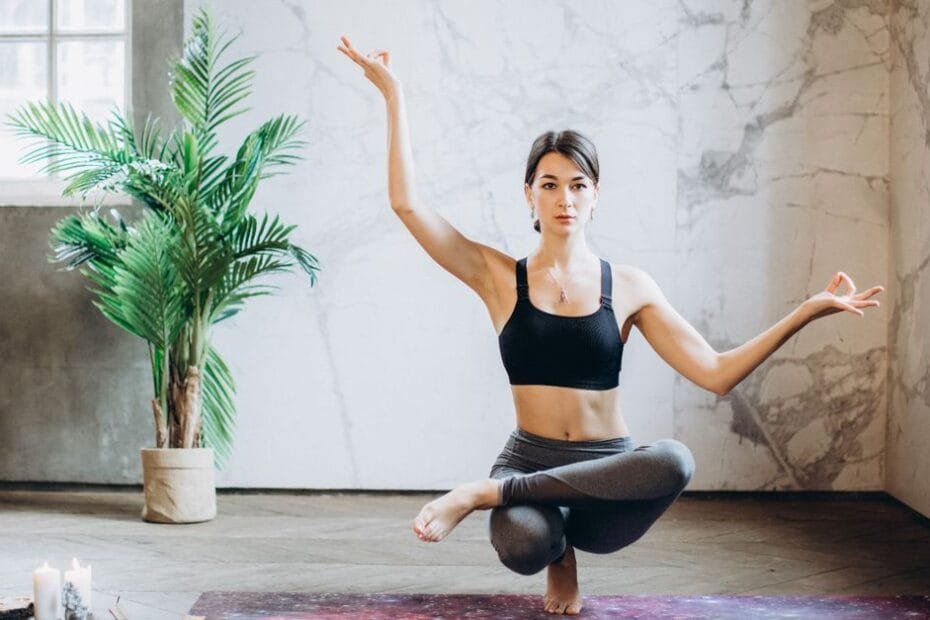
When you are stressed, anxious, or wound up, thinking your way to calm rarely works — because stress lives in the body, not just the mind. Somatic exercises work the other way round: they use gentle, body-based techniques to calm your nervous system directly, releasing tension and switching off the stress response.
Also Read



This guide explains what somatic exercises are, how they calm your nervous system, and simple techniques you can try today to feel more grounded and at ease.
What are somatic exercises?
Somatic exercises are gentle, body-based practices — using movement, breath, touch, and awareness of physical sensation — that help regulate your nervous system and release stored tension, rather than working through thoughts alone.
The word “somatic” simply means “of the body.” These practices calm you from the body up, which is often more effective for stress and anxiety than trying to think your way calm.

Key takeaways
- Somatic exercises calm the body to calm the mind.
- They regulate your nervous system, easing stress and anxiety.
- Techniques include grounding, gentle movement, touch, and breath.
- Just a few minutes a day can make a real difference.
- For trauma, work with a trained professional.
How do somatic exercises calm your nervous system?
Somatic exercises activate your parasympathetic nervous system — the body’s “rest and digest” state — which is the opposite of the stressed “fight or flight” response. This shift lowers your heart rate, eases tension, and creates calm.
With regular practice, they help your nervous system return to calm more easily over time, building genuine resilience. You can learn more in our guide on how to calm your nervous system.
How are somatic exercises different from regular exercise?
Regular exercise focuses on fitness and how movement looks or performs. Somatic exercises focus on how movement feels — tuning into internal sensations like breath, tension, and subtle shifts in the body.
The goal is awareness and regulation, not burning calories or building strength. This inward focus is what makes them so calming and grounding.
1. Grounding through your senses
Grounding uses your senses to anchor you in the present, interrupting stress and anxious spirals. Noticing what you can see, hear, feel, smell, and taste brings you out of your head and into your body.
Our guide to grounding techniques shares the simple 5-4-3-2-1 method, a perfect somatic starting point.
2. Self-soothing touch
Gentle, comforting touch signals safety to your nervous system. Placing a hand on your heart or belly, giving yourself a gentle hug, or lightly stroking your arms can quickly ease anxious feelings.
It sounds simple, but this kind of self-soothing touch releases tension and calm-promoting responses in the body. It is a discreet tool you can use anywhere.

3. Progressive muscle relaxation
Progressive muscle relaxation is a classic somatic technique: you gently tense and then release each muscle group in turn, teaching your body deep relaxation and releasing physical stress.
It is especially good for tension you carry without noticing. Our guide to progressive muscle relaxation walks you through it step by step.
4. Gentle shaking and movement
Animals instinctively shake to release stress, and humans can benefit too. Gently shaking out your hands, arms, and body, or bouncing lightly, helps discharge nervous energy and tension.
Gentle, flowing movement like swaying, stretching, or rolling your shoulders also releases stored tension. The key is moving slowly and noticing how it feels, rather than exercising hard.
5. Breathwork
Your breath is a direct line to your nervous system. Slow, deep breathing — especially a long, gentle exhale — switches on the relaxation response within minutes.
Breath is central to somatic practice because it links body and mind instantly. Our simple breathing exercises are an easy way to begin.
6. Humming and the vagus nerve
The vagus nerve is key to your body’s calming system, and gentle humming, singing, or chanting stimulates it through the vibrations in your throat and chest.
A few minutes of humming a tune can be surprisingly soothing. It is one of the simplest somatic ways to nudge your body toward calm.
7. The butterfly hug
The butterfly hug involves crossing your arms over your chest and gently, alternately tapping your shoulders. This rhythmic, bilateral touch is calming and grounding.
It is widely used to soothe anxiety and distress, combining self-soothing touch with a gentle, steady rhythm. It is easy to do discreetly whenever you feel overwhelmed.

8. Orienting to your surroundings
Orienting is a simple somatic practice of slowly looking around your environment, letting your eyes rest on things that feel neutral or pleasant. This signals to your nervous system that you are safe.
It gently pulls you out of internal stress and into the present, calming environment. Just turning your head slowly and noticing your surroundings can settle a keyed-up system.
How do you start a somatic practice?
Start small with one or two techniques that appeal to you — perhaps grounding and breathwork — and try them for a few minutes when you feel calm, so they are familiar when stress hits.
The video below shares a short beginner somatic routine you can follow along with to get a feel for it.
How often should you practice?
Consistency matters more than duration. Even a few minutes daily helps your nervous system learn to regulate more easily, building lasting calm over time.
You can also use somatic techniques in the moment whenever stress or anxiety rises. The more you practice when calm, the more effective they are when you truly need them.
What are the benefits of somatic exercises?
Regular somatic practice can reduce stress and anxiety, release physical tension, improve body awareness, support better sleep, and build emotional resilience.
Because they work directly with the nervous system, their calming effects tend to feel deep and genuine. Many people find them more grounding than purely mental relaxation techniques.
Somatic exercises and trauma
Somatic approaches are increasingly used to help process stored trauma, since trauma is held in the body as well as the mind. Gentle practices can help release it over time.
However, trauma work is best done with a trained somatic or trauma-informed professional, as it can bring up intense feelings. If you have experienced trauma, please seek qualified support rather than working through it alone.
What are common mistakes to avoid?
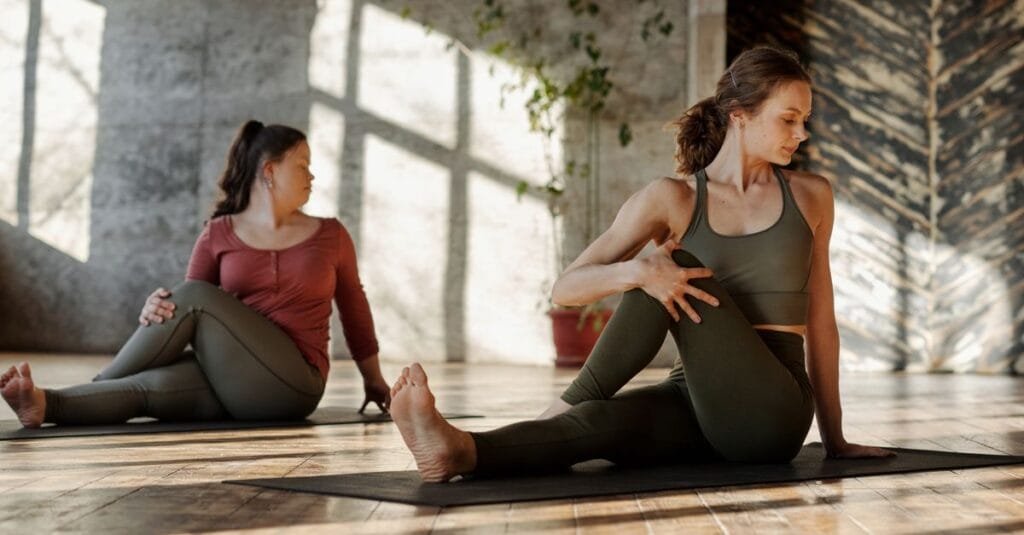
The main mistakes are rushing, forcing, or treating somatic work like a workout. These practices are gentle and slow — the goal is to notice and release, not to push or achieve.
Another is giving up too soon. Somatic regulation builds gradually, so be patient and approach it with gentle curiosity rather than expecting instant transformation.
A simple tool to go deeper
If you would like structure, a well-regarded book of somatic exercises can guide you through techniques step by step, which many beginners find helpful.
📖 Shop somatic exercise books on Amazon →
What is the “window of tolerance”?
The window of tolerance is the zone where you feel calm, present, and able to cope. When stress pushes you outside it, you become either overwhelmed and anxious, or shut down and numb.
Somatic exercises help widen this window and bring you back into it when you slip out. Over time, regular practice makes it easier to stay grounded even when life is difficult.
How is somatic work different from talk therapy?
Talk therapy works mainly through thoughts and words, while somatic approaches work through the body and physical sensation. Since stress and trauma are stored in the body, this bottom-up approach reaches what words sometimes cannot.
The two can complement each other beautifully. Many people find that adding body-based practices deepens the calm and regulation that talking alone does not fully provide.
Can somatic exercises help you sleep?
Yes. Gentle somatic practices like breathwork, progressive muscle relaxation, and a body scan calm the nervous system, which is exactly the state you need for sleep.
Doing a few soothing somatic exercises as part of your wind-down can ease you toward rest. See our complete guide to better sleep to pair them with other sleep-friendly habits.
What is a body scan?
A body scan is a foundational somatic and mindfulness practice where you slowly move your attention through your body, noticing sensations without judgment and gently releasing tension.
It builds body awareness and is deeply calming, especially before sleep. Our guide to the body-scan meditation walks you through it.
How do you know if your nervous system is dysregulated?
Signs include feeling constantly anxious or on edge, or the opposite — numb, exhausted, and shut down. Trouble sleeping, feeling easily overwhelmed, and struggling to relax are common too.
A dysregulated nervous system is stuck outside its calm zone. The good news is that somatic exercises are designed precisely to help it return to balance.
Can you do somatic exercises at your desk?
Absolutely. Many somatic techniques are discreet and perfect for work: slow breathing, self-soothing touch, shoulder rolls, gentle stretching, or orienting by looking slowly around the room.
A quick minute of grounding or breathwork between tasks can reset a stressful workday. These small resets are easy to weave in without anyone noticing.
How does cold water fit in?
Brief cold exposure, like splashing cold water on your face, can quickly calm the nervous system by triggering a natural soothing response. It is a simple somatic tool for intense moments.
Some people also use cold showers for this reset, though it is not for everyone. Even cool water on your wrists or face can help settle a keyed-up system fast.
How long until somatic exercises work?
Some effects are immediate — a few minutes of breathwork or grounding can calm you on the spot. Deeper regulation and resilience build gradually with regular practice over weeks.
Consistency matters more than intensity. Practicing a little each day trains your nervous system to find calm more easily over time, so be patient and gentle with the process.
How do somatic exercises build long-term resilience?
Each time you guide your body back to calm, you strengthen its ability to do so. Over time, this widens your window of tolerance and helps you recover from stress faster.
Like training any skill, the benefits compound with practice. Regular somatic work builds a steadier, more resilient nervous system that handles life’s ups and downs with greater ease.
How do somatic exercises help with chronic stress?
Chronic stress keeps your nervous system stuck in a heightened state, wearing you down over time. Somatic exercises interrupt this by regularly guiding your body back into its calm, “rest and digest” state.
Practiced consistently, they help your system stop treating everyday life as a constant threat. Over weeks, this can ease the physical tension, fatigue, and edginess that long-term stress creates.
Can anyone do somatic exercises?
Most of the gentle techniques here — grounding, breath, self-soothing touch, and slow movement — are suitable for almost everyone and require no special fitness or experience.
If you have a health condition or are working through trauma, it is wise to go gently and, where needed, with professional guidance. Otherwise, these practices are a safe, accessible way for anyone to find more calm.
Frequently Asked Questions
What are somatic exercises in simple terms?
Somatic exercises are gentle, body-based practices — using movement, breath, touch, and awareness of physical sensation — that calm your nervous system and release stored tension. Instead of trying to think your way to calm, they work from the body up. Examples include grounding, gentle shaking, self-soothing touch, breathwork, and humming.
Do somatic exercises really work for anxiety?
Many people find them genuinely helpful. Somatic exercises activate the parasympathetic “rest and digest” nervous system, which counters the stress response behind anxiety. Body-awareness practices have been found to reduce anxiety and build resilience. They are a wonderful tool for everyday stress and anxiety, though not a replacement for professional care when needed.
How do I start doing somatic exercises?
Start small with one or two techniques that appeal to you, such as grounding through your senses or slow breathing, and practice for a few minutes when you feel calm. This makes them familiar when stress hits. Following a short beginner somatic routine can help you get the feel for moving slowly and noticing sensations.
How are somatic exercises different from yoga or regular workouts?
Regular workouts and even much of yoga focus on fitness, strength, or how poses look. Somatic exercises focus entirely on how movement feels internally — tuning into sensation, breath, and tension to regulate the nervous system. The goal is awareness and calm, not performance, which is what makes them so grounding for stress relief.
Can somatic exercises help with trauma?
Somatic approaches are increasingly used to help process trauma, since trauma is stored in the body as well as the mind. However, trauma work can bring up intense emotions and is best done with a trained, trauma-informed professional. If you have experienced trauma, please seek qualified support rather than attempting deep somatic release alone.
The bottom line
Somatic exercises are a powerful, gentle way to calm stress and anxiety by working directly with your body and nervous system. From grounding and self-soothing touch to gentle shaking, breathwork, and humming, there is a technique for every moment.
Start with one or two, practice a little each day, and be patient and gentle with yourself. For more ways to soothe your body and mind, see our guide to calming your nervous system and our complete guide to stress relief.

I'm Khan Laila, the founder and editor of The Self-Care Edit. I'm a dedicated self-care enthusiast and researcher (not a medical professional) on a mission to make relaxation, better sleep, and everyday wellbeing simpler and more accessible. I write and curate every guide here with genuine care, honest product picks, and a firm belief that self-care should be realistic and guilt-free.