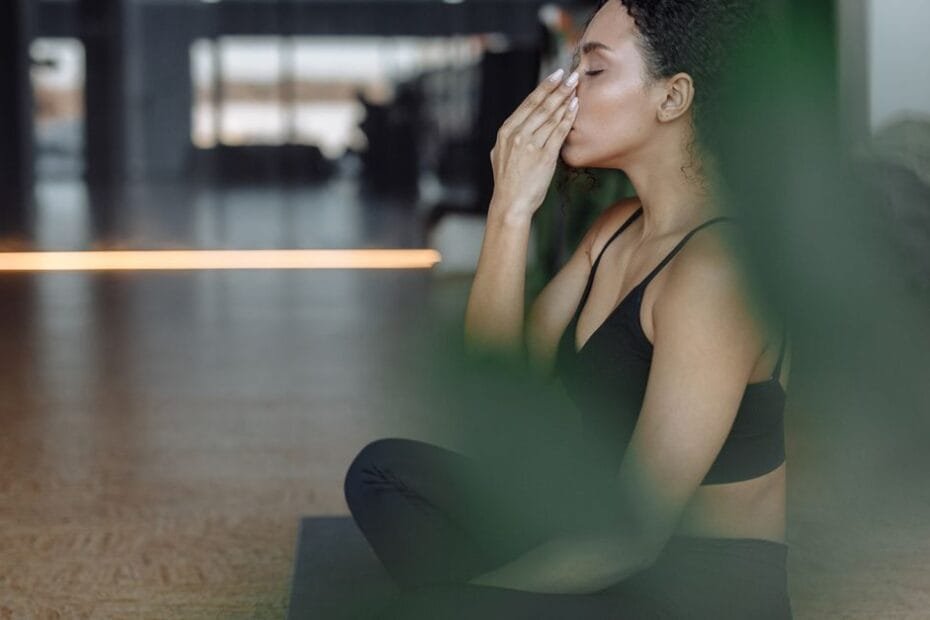
Breathwork is the practice of using deliberate breathing patterns to calm your mind, steady your body, and shift how you feel — often within a few minutes. The main types include box breathing, 4-7-8 breathing, diaphragmatic (belly) breathing, alternate-nostril breathing, and coherent breathing, each with its own rhythm and best use.
Also Read


This guide walks through the most useful breathwork techniques, what each one does, and how to choose the right one for stress, sleep, focus, or a quick reset — no equipment needed.
What is breathwork?
Breathwork is any practice where you consciously control the pace, depth, and pattern of your breath to influence your nervous system and state of mind. It ranges from simple slow breathing to structured techniques rooted in yoga and modern therapy.
Because your breath is one of the few automatic functions you can also control on purpose, it acts as a direct dial on your stress response — which is what makes breathwork so quietly powerful.

Key takeaways
- Breathwork uses deliberate breathing patterns to calm or energize you.
- Slow, extended exhales are the key to relaxation techniques.
- Box breathing and 4-7-8 are the easiest starting points.
- Different techniques suit different goals — calm, sleep, focus, or energy.
- A few minutes a day is enough to feel the benefits.
How does breathwork calm the body?
Slow, controlled breathing — especially a long exhale — activates the parasympathetic nervous system, the “rest and digest” mode that counters fight-or-flight. This slows your heart rate and eases tension.
When you are stressed, breathing becomes fast and shallow. Deliberately slowing it sends a safety signal to your brain, which is why breathwork can shift anxiety so quickly. Our guide to calming your nervous system explains this mind-body link in more depth.
Box breathing (4-4-4-4)
Box breathing is a simple, balanced technique: inhale for 4 counts, hold for 4, exhale for 4, and hold for 4 — like tracing the four sides of a box. Repeat for several rounds.
It is popular with athletes, first responders, and even the military because it steadies nerves under pressure without making you drowsy. Box breathing is ideal for staying calm and focused in a stressful moment.
4-7-8 breathing
Developed by Dr. Andrew Weil, the 4-7-8 technique involves inhaling for 4 counts, holding for 7, and exhaling slowly for 8. That long exhale is deeply relaxing.
Because it emphasizes a slow release of breath, 4-7-8 is especially good for winding down, easing anxiety, and preparing for sleep. Start with just four rounds so you do not feel lightheaded.
Diaphragmatic (belly) breathing
Diaphragmatic breathing, or belly breathing, means breathing deeply into your abdomen rather than shallowly into your chest. Place a hand on your belly and feel it rise as you inhale.
This is the foundation of almost all breathwork. It maximizes oxygen exchange, slows your breath naturally, and is worth practicing until deep belly breathing becomes your default, everyday way of breathing.
Alternate-nostril breathing (Nadi Shodhana)
In this yogic technique, you gently close one nostril, inhale through the other, then switch sides to exhale — alternating throughout. It is done slowly and smoothly.
Alternate-nostril breathing is prized for creating a sense of balance and mental clarity. Many people use it to feel centered and calm without becoming sleepy, making it a lovely midday reset.
Coherent (resonant) breathing
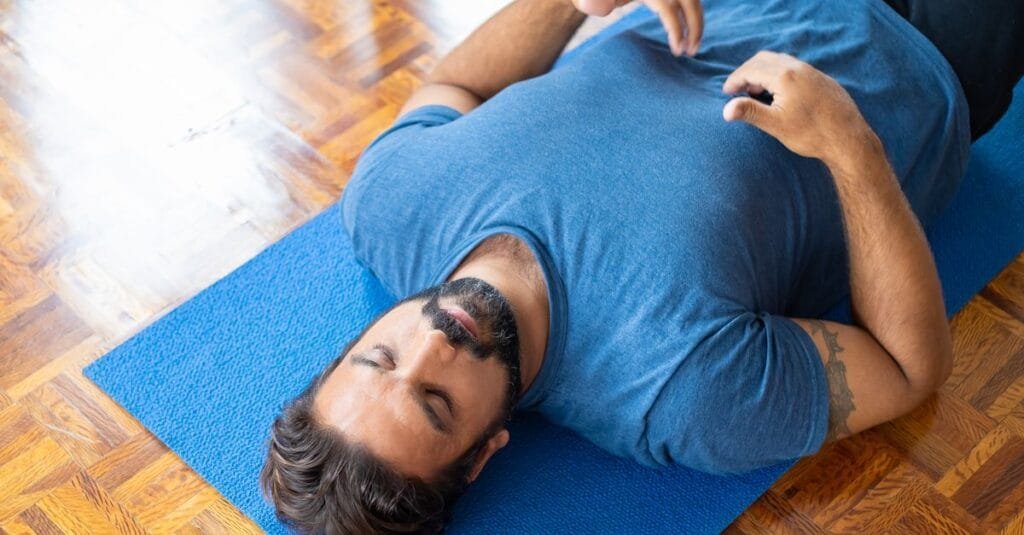
Coherent breathing means slowing your breath to about five or six breaths per minute — roughly a 5-count inhale and 5-count exhale, with no holds. It is gentle and sustainable.
This slow, even pace is thought to bring your heart rate and nervous system into a balanced, “resonant” state. It is excellent for ongoing calm and can be practiced for ten minutes or more.
Pursed-lip breathing
Pursed-lip breathing involves inhaling through your nose, then exhaling slowly through pursed lips as if blowing out a candle. The narrowed lips naturally lengthen your exhale.
It is simple, discreet, and useful any time you feel short of breath or panicky. The long, controlled out-breath quickly slows everything down.
Energizing breathwork techniques
Not all breathwork is calming. Faster techniques like “breath of fire” or lion’s breath use quick, active breathing to boost alertness and release tension — a natural pick-me-up.
These energizing styles are best done in the morning or when you need a lift, not before bed. Approach rapid techniques gently and stop if you feel dizzy.

Which breathwork technique should you choose?
The best technique depends on your goal. For calm under pressure, try box breathing. For sleep and deep relaxation, choose 4-7-8. For balance and clarity, use alternate-nostril or coherent breathing.
There is no single “right” method — experiment and notice which leaves you feeling best. Most people end up with two or three favorites for different situations.
Breathwork for anxiety
For anxiety, lengthening your exhale is the priority, since a long out-breath is what triggers relaxation. 4-7-8, coherent breathing, and pursed-lip breathing all work well.
Keeping a go-to technique ready means you can steady yourself the moment anxiety rises. For more support, see our guide to self-care for anxiety and these simple breathing exercises to calm anxiety fast.
Breathwork for better sleep
Slow breathwork before bed quiets a racing mind and prepares your body for rest. 4-7-8 breathing is the classic choice, but any slow, exhale-focused pattern helps.
Practicing a few rounds as you lie in bed can shorten the time it takes to drift off. Pair it with the tips in our complete guide to better sleep for the best results.
Breathwork for focus and energy
Balanced techniques like box breathing sharpen focus without over-relaxing you, making them perfect before work or a demanding task. A few rounds can clear mental fog.
For an energy boost, brief energizing breathwork in the morning can feel like a natural alternative to reaching straight for caffeine.

How often should you practice breathwork?
Even a few minutes a day builds real benefits over time. Many people practice once in the morning and again in the evening, plus whenever stress spikes.
Consistency matters more than duration. A short daily habit trains your nervous system to settle more easily, so breathwork becomes more effective the longer you keep it up.
Common breathwork mistakes to avoid
The most common mistakes are forcing the breath, breathing too fast, or straining to hit exact counts. Breathwork should feel smooth and comfortable, never tense.
Skip the breath-holds if they make you anxious, and never practice intense techniques while driving or in water. Gentle and steady always beats forceful.
Is breathwork safe for everyone?
For most people, gentle breathwork is very safe. But if you have a heart or respiratory condition, are pregnant, or have a history of panic attacks, some intense techniques may not suit you.
Breathwork supports wellbeing but does not replace medical care. If you have health concerns or feel unwell during practice, please stop and check with a doctor.
Building breathwork into your routine
Breathwork slots easily into an existing self-care routine — try a round after waking, before meals, or as part of your wind-down. Anchoring it to daily habits helps it stick.
Combined with movement, mindfulness, and good sleep, it becomes a reliable tool for steadier days. See our complete guide to stress relief and guide to meditation and mindfulness for complementary practices.
A helpful resource for learning breathwork
While you can learn the basics for free, a well-regarded breathwork book offers guided techniques, the science behind them, and structured practices to deepen your habit.
📚 Shop breathwork books on Amazon →
What happens in your body during breathwork?
Slow breathwork stimulates the vagus nerve, the main pathway of your parasympathetic nervous system. This nudges your body out of stress mode and into a calmer, more restorative state.
Gentle breath-holds and slow exhales also subtly shift the balance of oxygen and carbon dioxide, which can heighten that relaxed, slightly floaty feeling many people notice during practice.
Breathwork and heart rate variability
Slow, paced breathing is linked to higher heart rate variability — a marker of a flexible, resilient nervous system that adapts well to stress.
You do not need to measure anything to benefit, but the connection helps explain why regular breathwork tends to make you calmer and steadier over time, not just in the moment.
A simple morning breathwork routine
Starting the day with breathwork sets a calm, focused tone. Try a few rounds of box breathing or coherent breathing before you reach for your phone.
Just three to five minutes is enough to feel more grounded. Anchoring it to your morning coffee or shower makes it easy to remember day after day.
Breathwork at your desk
Breathwork is discreet enough to do at work. A few slow, quiet rounds between tasks can dissolve tension and reset your focus without anyone noticing.
Pursed-lip or coherent breathing works well here, since neither requires closing your eyes or making noise. It is one of the fastest ways to steady yourself before a stressful meeting.
Can breathwork help children and teens?
Simple breathing techniques can help children and teens manage big feelings and anxiety. Making it playful — like “smell the flower, blow out the candle” — helps younger ones engage.
Teaching kids to pause and breathe gives them a lifelong self-regulation tool. Keep it gentle and pressure-free so it feels like a comfort, not a chore.
Is breathwork a replacement for anxiety treatment?
Breathwork is a wonderful complement to anxiety care, but it is not a replacement for professional treatment when that is needed. Think of it as one supportive tool among many.
If anxiety significantly affects your life, please talk to a doctor or therapist. Breathwork can work alongside therapy and other support, not instead of it.
Combining breathwork with meditation
Breathwork and meditation pair beautifully. A few minutes of slow breathing settles the body first, making it far easier to sit and meditate afterward.
Many people use breathwork as an on-ramp to a calmer mind. Our guide to meditation and mindfulness shows how to build a practice that includes the breath.
What to expect when you start
At first, controlling your breath may feel unnatural or you might lose count — that is completely normal. With practice, it quickly becomes smooth and automatic.
Some people feel calm immediately; for others the benefits build over a couple of weeks. Be patient and gentle with yourself as you learn.
Breathwork for emotional release
Deeper, longer breathwork sessions can sometimes bring up emotions, which is a recognized part of the practice for some people. Allowing feelings to surface can be cleansing.
If you try more intense breathwork, do it gently and ideally with guidance. Return to slow, normal breathing any time it feels like too much.
Can you do too much breathwork?
Gentle daily breathwork is very safe, but very intense or prolonged fast breathing can cause lightheadedness and is not for everyone. More is not always better.
For everyday calm, short and regular beats long and forceful. Let comfort be your guide and never push into dizziness or strain.
Making breathwork a lifelong habit
The magic of breathwork is that it is always with you — free, portable, and available in any moment of stress. That makes it one of the most sustainable self-care habits there is.
Tie it to daily anchors, keep it enjoyable, and let it grow. Over months, conscious breathing becomes a reflex you reach for automatically when life gets hard.
Frequently Asked Questions
What is the best breathwork technique for beginners?
Box breathing (4-4-4-4) and 4-7-8 breathing are the easiest and most popular starting points. Box breathing is great for calm focus, while 4-7-8 is ideal for relaxation and sleep. Both are simple to remember, need no equipment, and can be done anywhere in just a few minutes, making them perfect first techniques.
How long should I practice breathwork each day?
Even three to five minutes a day makes a difference. Many people do a short session in the morning, another in the evening, and a few rounds whenever stress rises. Consistency matters more than length — a brief daily habit trains your nervous system to relax more easily over time than occasional long sessions.
Can breathwork help with anxiety and panic?
Yes. Slow breathing with a long exhale activates your body’s relaxation response and can ease anxiety within minutes. Techniques like 4-7-8, coherent breathing, and pursed-lip breathing are especially helpful. Breathwork is a useful tool, but if anxiety is severe or persistent, please also reach out to a mental health professional for support.
Is it normal to feel dizzy during breathwork?
Mild lightheadedness can happen if you breathe too fast, too deeply, or hold your breath too long. If it occurs, return to normal breathing and go gentler next time. Start with just a few rounds and build up slowly. If dizziness is frequent or strong, stop and check with a doctor.
What is the difference between breathwork and meditation?
Breathwork focuses specifically on controlling breathing patterns to shift how you feel, often quickly. Meditation is a broader practice of training attention and awareness. They overlap — many meditations use the breath as a focus — but breathwork is more about the mechanics of breathing, while meditation is about the quality of your attention.
The bottom line
Breathwork is one of the simplest, most portable self-care tools you have. By learning a few techniques — box breathing for focus, 4-7-8 for sleep, coherent breathing for balance — you gain the ability to shift your state almost anywhere, anytime.
Start with one technique this week and practice it daily. For a fuller approach to feeling calmer, explore our complete guide to building a self-care routine.

I'm Khan Laila, the founder and editor of The Self-Care Edit. I'm a dedicated self-care enthusiast and researcher (not a medical professional) on a mission to make relaxation, better sleep, and everyday wellbeing simpler and more accessible. I write and curate every guide here with genuine care, honest product picks, and a firm belief that self-care should be realistic and guilt-free.