Also Read


Your mind and body are not separate systems — they are in constant conversation. When you calm your body, your mind follows; when you quiet your mind, your body relaxes. Mind-body practices use this two-way connection to melt away stress and build lasting calm.
This guide explains what the mind-body connection is, why it matters for stress and wellbeing, and the best practices to strengthen it — from breathwork and meditation to yoga, tai chi, and gentle mindful movement.
What are the best mind-body connection practices?
The most effective mind-body practices include deep breathing, meditation, yoga, tai chi, qigong, progressive muscle relaxation, and body-scan awareness. Each uses the link between body and mind to create calm.
You do not need to master all of them. Choosing one or two that appeal to you and practicing regularly is far more valuable than dabbling in everything.
Key takeaways
- Mind and body constantly influence each other — calm one, calm both.
- Breathwork and meditation are the simplest places to start.
- Movement practices like yoga and tai chi unite body and mind.
- Regular practice builds lasting resilience to stress.
- Start small — a few minutes a day makes a real difference.
What is the mind-body connection?
The mind-body connection is the simple truth that your thoughts, feelings, and physical body are deeply linked. Stress in your mind creates tension in your body, and physical states like tight shoulders or shallow breathing feed back into how you feel emotionally.
Mind-body practices work with this loop on purpose. By deliberately relaxing your body or focusing your mind, you can interrupt the stress cycle and guide yourself toward calm.
Why does the mind-body connection matter for stress?
Because stress is never just “in your head.” When you are stressed, your body tenses, your heart races, and your breathing quickens — real physical changes that keep the feeling going.
Mind-body practices break that cycle from either direction. Slow your breath and your mind calms; relax your muscles and your worry eases. This gives you practical, always-available tools to manage stress in the moment.
Our guide to calming your nervous system explains the science of this shift in more depth.
1. Deep breathing and breathwork
Your breath is the fastest, simplest bridge between body and mind. Slow, deep breathing directly signals your nervous system to relax, lowering your heart rate and easing tension within a minute or two.
It is free, portable, and always available. Try our simple breathing exercises to calm anxiety fast whenever you feel overwhelmed.
2. Meditation and mindfulness
Meditation trains your mind to rest in the present moment rather than spinning through worries. Even a few minutes a day can reduce stress, sharpen focus, and build a calmer baseline over time.
You do not need to empty your mind — just gently return your attention whenever it wanders. New to it? Our meditation for beginners guide makes starting easy.
3. Yoga
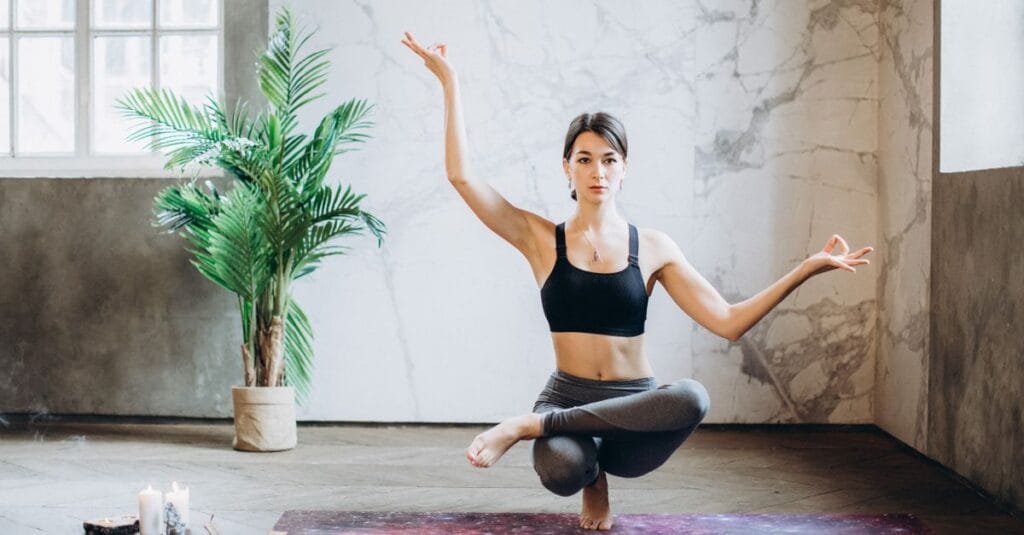
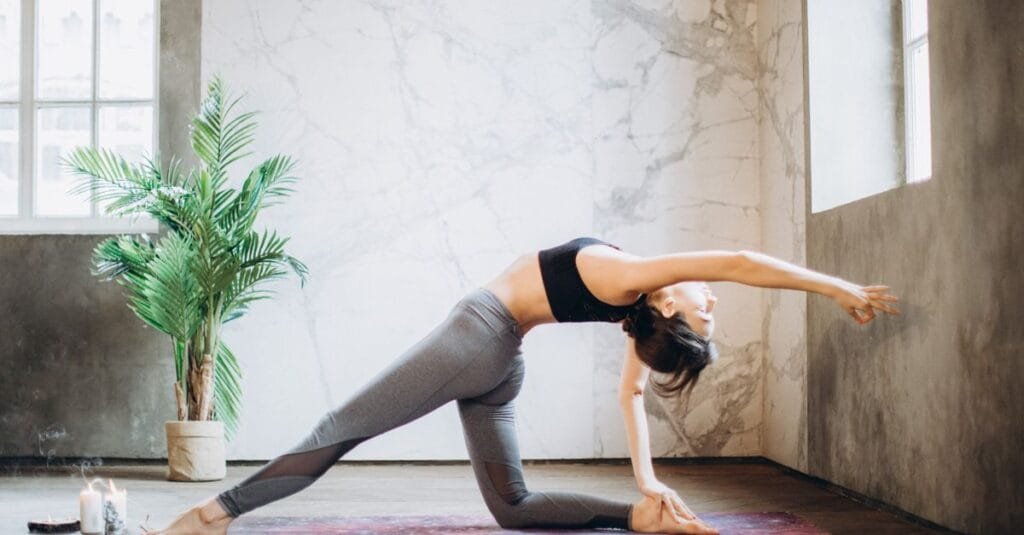
Yoga is a classic mind-body practice that unites movement, breath, and awareness. Flowing gently through poses releases physical tension while the focus on breathing quiets the mind, leaving you calmer and more centered.
You can practice at any level, from gentle stretches to fuller flows. A comfortable mat helps you build a consistent home practice.
4. Tai chi and qigong
Tai chi and qigong are gentle, flowing movement practices rooted in Chinese tradition. Their slow, deliberate motions combined with focused breathing make them wonderful for reducing stress and improving balance.
They are especially accessible and low-impact, suiting almost any age or fitness level. The video below explores the mind-body connection at the heart of these arts.
5. Progressive muscle relaxation
Progressive muscle relaxation, or PMR, is a beautifully simple body-first technique. You gently tense and then release each muscle group in turn, teaching your body what deep relaxation actually feels like.
It is especially good for physical stress and for winding down before sleep. Our step-by-step guide to progressive muscle relaxation walks you through it.
6. Body-scan awareness
A body scan is a mindfulness practice where you slowly move your attention through your body, noticing sensations without judgment. It builds awareness of where you hold tension and helps you release it.
It is a lovely way to reconnect with your body and calm a busy mind, especially at the end of the day. See our guide to the body-scan meditation to try it tonight.

7. Mindful walking
Mindful walking turns an everyday activity into a calming practice. Instead of walking on autopilot, you pay gentle attention to each step, your breath, and the world around you.
It is perfect if sitting still feels difficult, combining gentle movement, fresh air, and present-moment awareness. Even a slow ten-minute walk can noticeably ease stress.
8. Mindful eating
Mindful eating brings awareness to a daily habit we usually rush. By slowing down and truly noticing the taste, texture, and experience of your food, you turn a meal into a grounding, present-moment practice.
It also supports a healthier relationship with food and gives your busy mind a gentle, pleasant anchor several times a day.
9. Journaling and reflection
Writing connects your inner thoughts to the physical act of putting pen to paper. Journaling helps you process emotions, notice patterns, and release worries from your head, easing mental tension.
A few minutes of reflection can quiet a racing mind. Our guide to journaling for stress relief includes simple prompts to begin.
How do you start a mind-body practice?
Start small and pick just one practice that appeals to you. Commit to a few minutes a day rather than an ambitious routine you cannot keep, and attach it to something you already do so it becomes a habit.
Breathwork or a short meditation are the easiest entry points. Once one practice feels natural, you can add another and gradually build a routine that suits your life.
How often should you practice?
Consistency matters far more than duration. A few minutes every day builds the mind-body connection more effectively than a long session once a week, because the benefits are cumulative.
Aim for little and often. Even five focused minutes daily will, over weeks, noticeably lower your baseline stress and strengthen your sense of calm.

What are the benefits of mind-body practices?
The rewards go well beyond stress relief. Regular practice can improve sleep, sharpen focus, ease physical tension, lift mood, and build genuine resilience to life’s pressures.
Because these practices strengthen the link between body and mind, their benefits tend to ripple through every area of wellbeing, making them some of the most worthwhile self-care habits you can build.
Common mind-body practice mistakes
The biggest mistakes are trying too much at once, expecting instant results, and giving up after a few days. These practices work gradually, rewarding gentle consistency over intensity.
Another is self-judgment — thinking you are “bad” at meditation because your mind wanders. Wandering is normal; noticing it and returning is the practice. Be patient and kind with yourself.
Frequently Asked Questions
What is the mind-body connection in simple terms?
The mind-body connection is the way your thoughts, emotions, and physical body constantly influence each other. Stress in your mind creates physical tension, and physical states like shallow breathing feed back into how you feel. Mind-body practices use this two-way link to reduce stress by calming either the body or the mind.
What is the easiest mind-body practice to start with?
Deep breathing is the easiest and most accessible. It requires no equipment, works within minutes, and can be done anywhere. Simply slowing and deepening your breath signals your nervous system to relax. A short daily meditation is another gentle starting point that builds calm and focus over time.
How long does it take to feel the benefits?
Some benefits, like the calm from deep breathing, are immediate. Deeper benefits — better sleep, sharper focus, and greater resilience — build gradually with regular practice over days and weeks. Consistency is key, so a few minutes daily will produce far more lasting change than occasional long sessions.
Do I need special equipment for mind-body practices?
Not for most of them. Breathing, meditation, mindful walking, and body scans need nothing at all. Yoga is more comfortable with a mat, and a meditation cushion can help you sit comfortably, but these are optional extras. You can begin any of these practices today with what you already have.
Can mind-body practices help with anxiety?
Yes, many people find them genuinely helpful for managing everyday anxiety, as they calm the nervous system and interrupt the stress cycle. They are a wonderful support tool, but not a replacement for professional care. If anxiety is persistent or overwhelming, please reach out to a doctor or mental-health professional.
How does stress show up in the body?
Stress is remarkably physical. It often appears as tight shoulders, a clenched jaw, shallow breathing, a racing heart, headaches, or a knotted stomach — your body’s response to feeling under threat.
Noticing these physical signs is actually useful, because they are your cue to use a mind-body practice. When you release the physical tension, the emotional stress usually eases along with it.
What is the vagus nerve’s role in calm?
The vagus nerve is a key part of your body’s relaxation system, connecting your brain to many organs. Activating it helps switch you from a stressed state into “rest and digest” mode.
Many mind-body practices — slow breathing, humming, gentle movement — gently stimulate this nerve, which is part of why they calm you so effectively. You do not need the science to benefit, but it explains why these simple techniques work.
Can gentle movement really reduce stress?
Yes, and it does not need to be strenuous. Gentle movement like stretching, yoga, tai chi, or a slow walk releases physical tension and shifts your focus into your body and the present moment.
This is perfect for people who find sitting still difficult, offering the calming benefits of mindfulness through motion rather than stillness. Even a few minutes can noticeably lift your mood and ease tension.
How do you fit mind-body practice into a busy day?
You do not need long sessions — you need small, consistent moments. A minute of deep breathing at your desk, a mindful walk at lunch, or a short body scan before sleep all count.
Attach practices to things you already do, like breathing deeply while the kettle boils. Woven into daily life this way, mind-body practice becomes effortless rather than one more thing on your to-do list.
What is the best mind-body practice for beginners?
Deep breathing is the ideal starting point. It is simple, free, works within minutes, and requires no experience or equipment, making it accessible to absolutely everyone.
From there, a short daily meditation or gentle stretching are natural next steps. The best practice is simply the one you enjoy enough to keep doing, so experiment gently until something clicks.
Can mind-body practices improve your sleep?
They often do. Practices like breathing, progressive muscle relaxation, and body scans calm both the body and a busy mind, making them wonderful for winding down before bed.
By easing the physical and mental tension that keeps you awake, a short evening practice can help you fall asleep more easily and rest more deeply. It is one of the loveliest ways to close the day.
How do mind-body practices build resilience?
With regular practice, the benefits extend well beyond each session. You gradually train your nervous system to return to calm more quickly, so everyday stresses affect you less and recover from faster.
Over time, this builds genuine resilience — a steadier baseline and more tools to draw on when life gets hard. Like any training, the strength comes from consistency, not intensity.
What if you can’t sit still to meditate?
Then do not force it — choose a moving practice instead. Mindful walking, gentle yoga, tai chi, or even mindful washing-up give you the same present-moment focus without the stillness.
Meditation does not have to mean sitting cross-legged in silence. The goal is gentle, present awareness, and there are many active ways to reach it that suit restless minds and bodies beautifully.
How do you stay motivated to keep practicing?
Keep it small, enjoyable, and tied to a routine. Choosing a practice you genuinely like, starting with just a few minutes, and forgiving yourself for missed days all help it stick.
Notice the benefits, too — better sleep, calmer moods, less tension — because seeing real results is the best motivation of all. Progress, not perfection, is what turns a practice into a lasting habit.
Can children and families practice mind-body techniques?
Absolutely, and it can be wonderful for the whole family. Simple practices like deep “belly breathing,” gentle stretching, mindful walks, or a short body scan at bedtime are easy for children to learn and enjoy.
Keeping it playful and short works best for young ones, who often take to these techniques more naturally than adults. Practicing together also creates a calm, connected moment in a busy family day, and models healthy ways to handle big feelings.
Final thoughts
Your mind and body are always in conversation — and mind-body practices let you join that conversation on purpose. Whether you choose breathwork, meditation, yoga, tai chi, or a simple body scan, you gain reliable tools to ease stress and build lasting calm.
Start with one practice, keep it small and consistent, and let the benefits grow. To fit these habits into a bigger picture of wellbeing, explore our complete guide to building a self-care routine for better sleep and less stress.

I'm Khan Laila, the founder and editor of The Self-Care Edit. I'm a dedicated self-care enthusiast and researcher (not a medical professional) on a mission to make relaxation, better sleep, and everyday wellbeing simpler and more accessible. I write and curate every guide here with genuine care, honest product picks, and a firm belief that self-care should be realistic and guilt-free.