Also Read

Scent has a direct, almost instant line to the part of your brain that handles emotion — which is exactly why aromatherapy is such a fast, effective tool for stress relief. A few breaths of the right essential oil can genuinely help your body shift out of tension and into calm.
This guide focuses specifically on using aromatherapy for stress: the best oils to reach for, the different ways to use them, and how to build simple aromatherapy rituals that actually lower your stress day to day.
How does aromatherapy relieve stress?
Aromatherapy works because smell is wired directly to the brain’s emotional and memory centers. When you inhale a calming scent, it can quickly influence your mood and help switch your body from a stressed “fight or flight” state toward “rest and digest.”
That is why a calming aroma can steady you within moments — it is one of the fastest natural ways to signal safety to your nervous system.
Key takeaways
- Scent affects emotion fast, making aromatherapy great for stress.
- Lavender, bergamot, and frankincense are top oils for calm.
- You can diffuse, inhale, bathe, or apply (diluted) oils.
- Small daily rituals work better than occasional use.
- Always dilute, never swallow, and check safety around pets.
What are the best essential oils for stress?
A handful of oils stand out for easing stress and anxiety. Lavender is the classic all-rounder, while bergamot, frankincense, ylang-ylang, clary sage, chamomile, and sweet orange each bring their own calming character.
You do not need all of them. Starting with lavender and one or two others gives you plenty to work with as you discover which scents soothe you most.
1. Lavender: the essential calmer
If you buy just one oil for stress, make it lavender. Its soft, floral scent is the most widely loved and studied for relaxation, and it works beautifully for both daytime calm and better sleep.
Diffuse it in the evening, add a drop to your pillow, or inhale it straight from the bottle during a tense moment. It is gentle, versatile, and a perfect starting point.
2. Bergamot: uplifting and calming
Bergamot is a citrus oil with a bright, slightly floral aroma that is uniquely both uplifting and soothing. It is a wonderful choice when stress leaves you feeling low or flat, lifting your mood while easing tension.
It blends especially well with lavender for a scent that is calming without being sleepy, making it great for daytime use.
3. Frankincense: grounding and deep
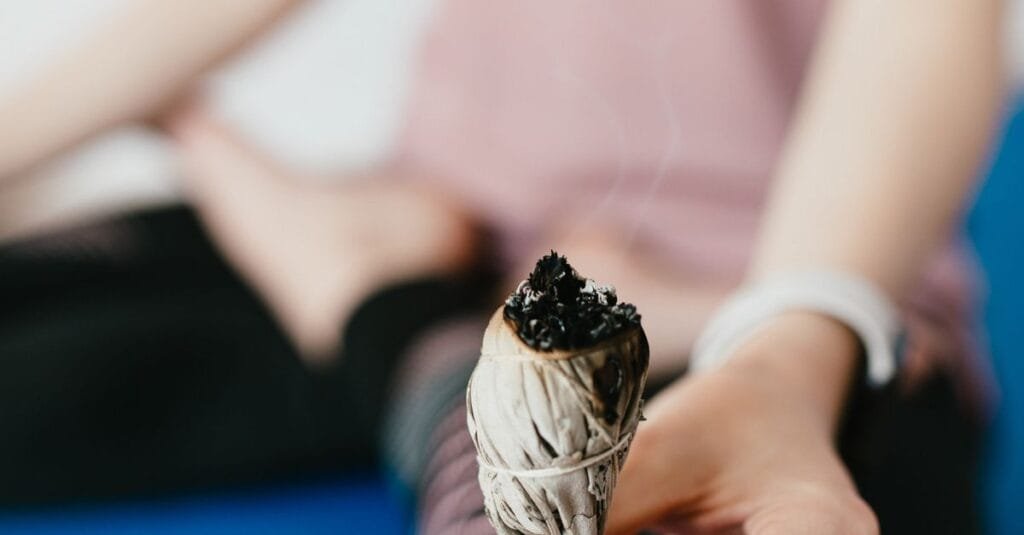
Frankincense has a warm, woody, resinous aroma often used to deepen breathing and encourage a sense of grounded calm. It is a favorite for meditation and quiet, reflective moments.
Reach for it when you want to slow down and feel more centered, or add it to a blend to give lighter scents a richer, more grounding base.
4. Ylang-ylang, clary sage, and chamomile
These three round out a great stress-relief collection. Ylang-ylang is sweet and floral and often used to ease tension, clary sage has a herbaceous scent traditionally used for relaxation, and chamomile is as soothing to smell as it is to drink.
Each is lovely on its own or blended, letting you tailor your aromatherapy to exactly the kind of calm you need.
5. Sweet orange and citrus oils
Citrus oils like sweet orange are cheerful, fresh, and instantly mood-lifting. They are perfect for daytime when you want to feel brighter and less weighed down by stress.
Because they are gentle and widely liked, citrus scents are a great way to bring a little calm and positivity into a workspace or living area.
How do you use essential oils for stress?
There are several easy methods, and each suits different moments. The most popular is diffusing, which fills a room with a calming scent, but simple inhalation, baths, and diluted topical use are all effective too.
The video below walks through using essential oils specifically for stress, anxiety, and restful sleep.
Method 1: Diffusing
An electric diffuser disperses a fine, scented mist into the air, filling your space with calm. It is perfect for setting a relaxing mood in a bedroom, living room, or office over a longer period.
For choosing a device, see our roundup of the best aromatherapy diffusers and essential oils.
Method 2: Direct inhalation
The simplest method needs no equipment at all. Inhale the aroma straight from the bottle, or place a drop on a tissue or a personal inhaler and breathe it in when stress rises.
This is perfect for on-the-go calm — at your desk, in the car, or anywhere you need a quick reset.
🌿 Shop stress-relief oil sets →
Method 3: Baths and showers
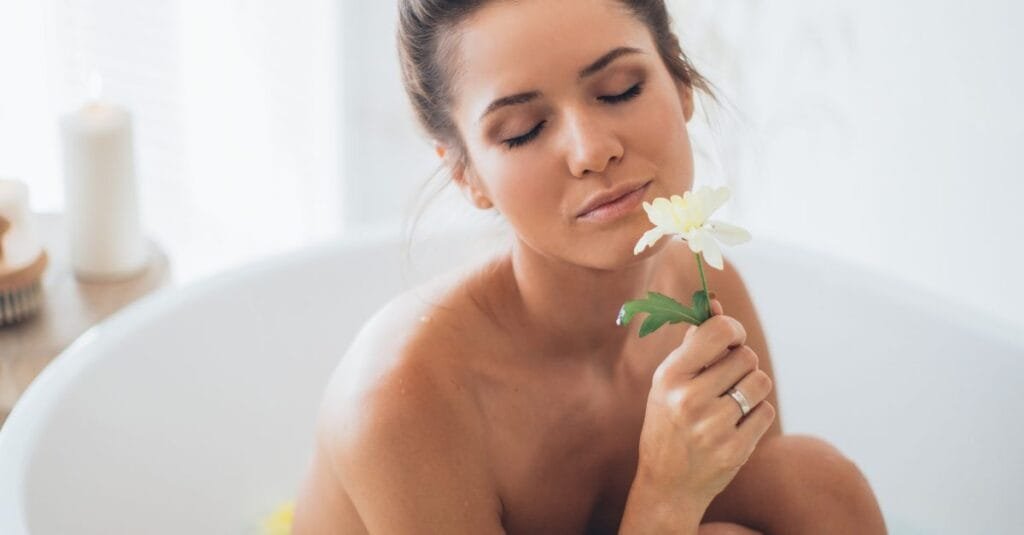
Adding a few drops of a suitable, diluted essential oil to a warm bath turns it into a deeply relaxing ritual. The combination of warm water and calming scent is wonderful for melting away a stressful day.
In the shower, place a few drops out of the direct stream so the steam carries the aroma. Always dilute properly and check that an oil is safe for skin contact first.

Method 4: Diluted topical use and rollers
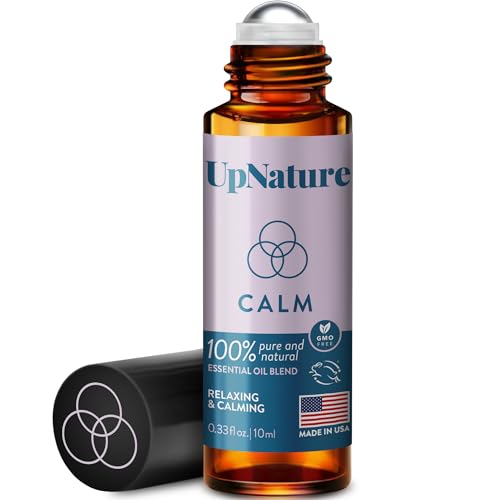
Applied to the skin, essential oils must always be diluted in a carrier oil like jojoba or almond. Pre-diluted roller blends make this easy and portable — just roll onto pulse points like wrists or temples.
A roller in your bag means calming scent is always within reach, making it one of the most practical ways to use aromatherapy for stress.
How do you build an aromatherapy routine for stress?
Consistency beats intensity. Choose a scent for the morning to set a calm, positive tone, and a different one for the evening to help you wind down, then use them at the same times each day.
Pairing aromatherapy with other calming habits multiplies the effect. Diffuse lavender while you do breathing exercises or enjoy a cup of tea, and the calm compounds.
Can you combine aromatherapy with other self-care?
Absolutely, and it works beautifully. Scent pairs naturally with meditation, gentle yoga, journaling, a warm bath, or a calming tea, deepening whatever relaxing activity you are already doing.
Try diffusing frankincense during meditation or bergamot while journaling. Layering calming inputs like this makes each one more powerful than it would be alone.
Is aromatherapy safe? Important precautions
Aromatherapy is gentle, but essential oils are concentrated and deserve respect. Never swallow them, always dilute before applying to skin, and do a small patch test first to check for irritation.
Some oils are not safe during pregnancy or around pets and young children, so a little research goes a long way. If you have a health condition or are pregnant, check with a professional before regular use.

What are common aromatherapy mistakes?
The most common slip-ups are using undiluted oils on skin, over-diffusing until a scent becomes overwhelming, and expecting a single sniff to erase serious stress. Less is usually more.
Aromatherapy is a gentle, supportive tool, best used consistently and alongside other self-care. Treat it as one calming layer rather than a standalone fix, and you will get far more from it.
Frequently Asked Questions
What is the best essential oil for stress and anxiety?
Lavender is the best all-round choice — its soft floral scent is the most widely loved and studied for relaxation, and it suits both daytime calm and better sleep. Bergamot, frankincense, ylang-ylang, and chamomile are also excellent. Many people start with lavender and add one or two others to find their favorites.
How do you use essential oils for stress relief?
The main methods are diffusing into the air, inhaling directly from the bottle or a personal inhaler, adding diluted oils to a warm bath, or applying pre-diluted roller blends to pulse points. Diffusing and inhalation are the easiest to start with. Always dilute oils for skin use and never swallow them.
Is aromatherapy actually effective for stress?
Many people find it genuinely helpful. Scent has a direct link to the brain’s emotional centers, so calming aromas can quickly influence mood and help shift the body toward relaxation. It works best as a consistent habit combined with other self-care, rather than a one-time cure for serious stress.
Can I put essential oils directly on my skin?
Not undiluted. Essential oils are highly concentrated and can irritate or burn the skin if applied neat. Always dilute them in a carrier oil such as jojoba or almond, or use pre-diluted roller blends, and do a patch test first. Keep oils away from eyes and sensitive areas.
Are essential oils safe to diffuse around pets?
Not all of them. Some essential oils that are fine for humans can be harmful to pets, especially cats and dogs. If you have animals, research pet-safe oils, diffuse in well-ventilated spaces, and give pets the option to leave the room. When in doubt, check with your veterinarian first.
What is a carrier oil and why does it matter?
A carrier oil is a gentle base oil — like jojoba, sweet almond, or coconut — used to dilute concentrated essential oils before they touch your skin. It “carries” the essential oil safely and helps it absorb.
This step is essential, because undiluted essential oils can irritate or burn the skin. Diluting also makes your oils last longer and spread more evenly, so a carrier oil is a must-have for any topical use.
How many drops of essential oil should you use?
Less is almost always more with essential oils. For topical use, a common guideline is a small number of drops per teaspoon of carrier oil, and for a diffuser, just a few drops in the water is plenty.
Start with less than you think you need. You can always add more, but an overpowering scent can trigger headaches and defeats the calming purpose. Always follow the directions on your specific product.
Can aromatherapy help you sleep?
Yes, it is one of aromatherapy’s most popular uses. Calming scents like lavender and chamomile are widely used to encourage relaxation and better sleep, whether diffused in the bedroom or dabbed (diluted) on the skin before bed.
Building a scent cue into your wind-down routine tells your brain it is time to rest. Combined with other good sleep habits, aromatherapy can make falling asleep feel more natural and calm.
Essential oils vs fragrance oils: what’s the difference?
This distinction really matters for aromatherapy. Essential oils are natural extracts from plants and carry the plant’s aromatic and therapeutic properties. Fragrance oils are usually synthetic, made only to smell a certain way, with none of the natural benefits.
For genuine aromatherapy, choose pure essential oils rather than fragrance oils. Check the label carefully, as marketing can blur the line between the two.
How do you choose quality essential oils?
Quality varies widely, so a little care pays off. Look for oils that list the plant’s botanical name, come in dark glass bottles to protect them from light, and clearly state they are pure with no additives.
Reputable brands are usually transparent about sourcing and testing. You do not need the most expensive option, but very cheap “essential oils” are often diluted or synthetic, so choose trusted sellers.
Can you blend your own stress-relief oils?
Absolutely, and it is part of the fun. Blending lets you create a scent that soothes you personally — for example, lavender for calm, bergamot to lift your mood, and a touch of frankincense to ground the blend.
Start with simple two- or three-oil combinations and keep notes on what you like. Over time you will build a small collection of personal blends perfect for different moods and moments.
What are the best oils for a stressful workday?
For daytime, choose scents that calm without making you sleepy. Citrus oils like sweet orange and bergamot are uplifting and focusing, while peppermint offers a refreshing mental boost during an afternoon slump.
A personal inhaler or roller keeps these within reach at your desk. A quick, discreet sniff between tasks can reset a tense moment without disturbing anyone around you.
How long do essential oils last?
Most essential oils keep for one to three years if stored well, though citrus oils tend to fade faster. Heat, light, and air are the enemies, so keep bottles tightly closed in a cool, dark place.
If an oil smells off or very different from when you bought it, it is past its best. Buying sensible quantities you will use within a reasonable time keeps your collection fresh and effective.
Can you use aromatherapy in a shared space?
Yes, with a little consideration for others. In a shared office or home, a full diffuser may be too much, but a personal inhaler, a scent roller on your wrists, or a drop of oil on a tissue keeps the calming benefit personal and unobtrusive.
Subtle, well-chosen scents are best, and it is always kind to check that no one nearby has sensitivities or allergies. Used thoughtfully, aromatherapy can bring a little calm to almost any environment without affecting the people around you.
Final thoughts
Aromatherapy is one of the fastest, most pleasant ways to ease stress naturally. With a few well-chosen oils like lavender, bergamot, and frankincense — and simple methods like diffusing, inhaling, and diluted roller blends — you can create calming rituals that fit effortlessly into your day.
Use oils safely, keep your rituals consistent, and let scent become a reliable cue for calm. To weave aromatherapy into a fuller routine, see our complete guide to building a self-care routine for better sleep and less stress.

I'm Khan Laila, the founder and editor of The Self-Care Edit. I'm a dedicated self-care enthusiast and researcher (not a medical professional) on a mission to make relaxation, better sleep, and everyday wellbeing simpler and more accessible. I write and curate every guide here with genuine care, honest product picks, and a firm belief that self-care should be realistic and guilt-free.