
Disclosure: As an Amazon Associate, The Self-Care Edit earns from qualifying purchases. This comes at no extra cost to you, and we only recommend products we genuinely believe can help.
Also Read


Affiliate disclosure: The Self-Care Edit is reader-supported. If you buy through our links we may earn a small commission, at no cost to you. We only recommend products we genuinely love.
The first time I switched on an essential oil diffuser in my bedroom, I genuinely slept better that night — and I’ve been quietly obsessed ever since. There’s something about a soft cloud of lavender drifting through a dark room that tells your whole nervous system it’s finally okay to slow down. Aromatherapy won’t fix everything, but as a small daily ritual? It’s one of the easiest, loveliest ways to bring calm into your home.
This is my complete beginner-friendly guide: how aromatherapy actually works, which diffusers and essential oils are genuinely worth buying, the blends I use for sleep vs focus, and the safety bits most articles skip. Pair these with our sleep & relaxation guides and meditation picks for a full wind-down routine.
How aromatherapy works (the honest version)
Essential oils are concentrated extracts of plants — the fragrant compounds from lavender, peppermint, eucalyptus and so on. When you breathe them in (usually dispersed as a fine mist by a diffuser), the scent travels to the part of your brain tied to emotion and memory, which is why a smell can shift your mood so quickly. The U.S. National Center for Complementary and Integrative Health notes lavender in particular is widely studied for relaxation. My honest take after years of use: think of aromatherapy as a gentle, pleasant nudge toward calm — a ritual that supports good habits, not a cure-all.

Diffuser vs. other methods
You’ve got options: ultrasonic diffusers (mist + water, my favorite for bedrooms), nebulizing diffusers (stronger, waterless, pricier), reed diffusers (no electricity, gentle constant scent), and roll-ons (for on-the-go). For most people starting out, a quiet ultrasonic diffuser is the sweet spot — affordable, doubles as a humidifier, and safe to run overnight.
Best essential oil diffusers
1. Best overall — a quiet ultrasonic diffuser
Look for a 300–500ml tank, automatic shut-off, adjustable mist, and a soft night-light. It runs whisper-quiet (crucial for sleep), mists for hours, and adds a little humidity — lovely in dry winter rooms. This is the one that lives on my nightstand and the one I recommend first to everyone.
- ✅ Quiet, long run time
- ✅ Auto shut-off — safe to leave on overnight
- ✅ Soft light for winding down
- ❌ Rinse it weekly or you’ll get mineral buildup
2. Best budget pick
A smaller, cheaper diffuser is perfect for testing whether you even like aromatherapy, or for a desk at work. Less mist output and a smaller tank, but genuinely lovely for a single small room.
- ✅ Inexpensive entry point
- ✅ Compact for desks & offices
- ❌ Smaller tank = more frequent refills
3. Best premium — nebulizing diffuser
If you fall in love with aromatherapy, a waterless nebulizing diffuser gives a stronger, purer scent (no water dilution). Pricier and uses more oil, but powerful for larger living rooms.
- ✅ Strong, pure scent
- ✅ No water/humidity
- ❌ Uses more oil; louder than ultrasonic
Best essential oils to start with
Lavender — the classic calmer
If you buy one oil, make it lavender. Soft, floral, the undisputed go-to for winding down before bed. Always choose 100% pure oil from a transparent brand.
Eucalyptus & peppermint — for clear, awake mornings
Bright and fresh; lovely in a morning shower routine or when you need to focus. Peppermint is my desk favorite.
Sweet orange & bergamot — the mood-lifters
Citrus oils are cheerful and uplifting — perfect for a grey afternoon slump.
A relaxation starter set
Honestly the smartest first buy: a set of small bottles lets you experiment without committing to big bottles you might not use. Most include lavender, eucalyptus, peppermint, orange and tea tree.
Simple blends to try
- Sleepy night: 3 drops lavender + 2 drops sweet orange
- Focus & energy: 3 drops peppermint + 2 drops eucalyptus
- Cozy weekend: 3 drops bergamot + 2 drops lavender
- Fresh home: 3 drops lemon + 2 drops eucalyptus
Aromatherapy safety (please read)
A few honest cautions: never apply undiluted oils directly to skin (always use a carrier oil); keep oils out of reach of children; and be careful around pets — oils like tea tree and eucalyptus can be harmful to cats and dogs. Diffuse in a ventilated room, keep sessions to 30–60 minutes, and stop if you get a headache. If pregnant or managing a health condition, check with your doctor first.
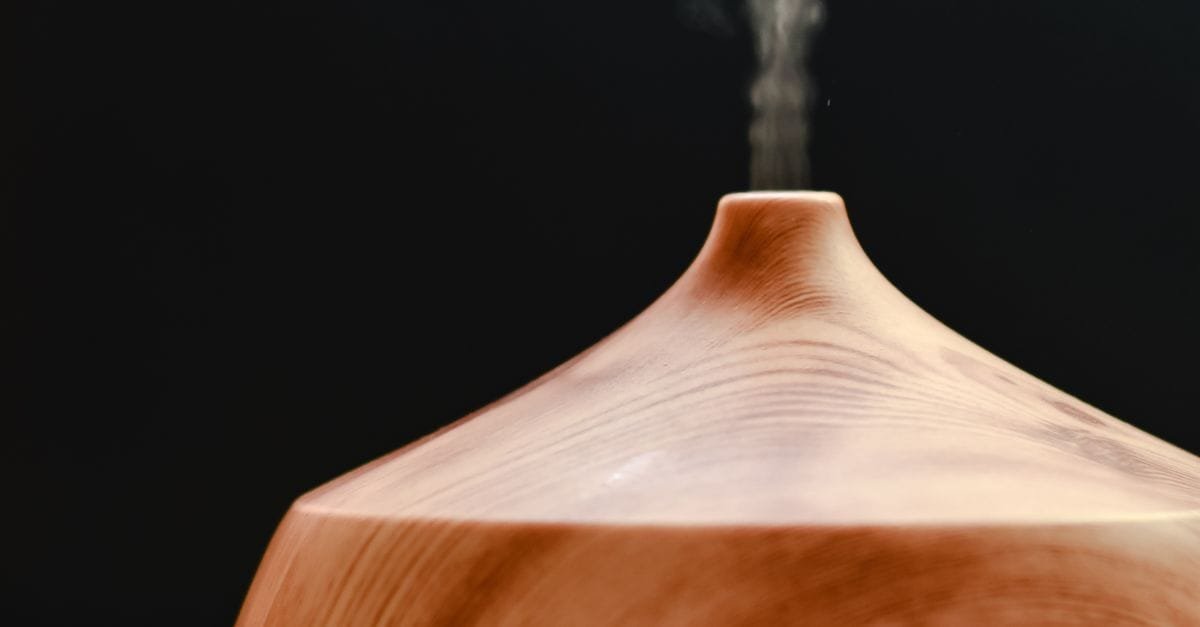
Types of Essential Oil Diffusers Explained
Not all diffusers work the same way, and knowing the differences helps you choose. Ultrasonic diffusers use water and vibrations to release a fine, fragrant mist — they’re the most popular, double as light humidifiers, and are gentle on oils. Nebulizing diffusers use no water and disperse pure, concentrated oil for a stronger scent, ideal for larger spaces. Evaporative and reed diffusers are simple and quiet, letting oils evaporate naturally for subtle, continuous fragrance. Heat diffusers use gentle warmth. For most people starting out, an ultrasonic diffuser offers the best balance of affordability, ease, and a soothing, visible mist.
How to Use and Care for Your Diffuser
Getting the most from your diffuser is simple. Fill it with clean water to the line, add a few drops of oil (start with three to five and adjust to taste), and run it in the room you’re relaxing in. Less is often more — a subtle scent is more pleasant and safer than an overpowering one. Clean your diffuser regularly: empty it after use, wipe it dry, and run a quick rinse with a little vinegar every week or two to prevent buildup. Well-maintained, a good diffuser will give you years of calming, fragrant service.
Aromatherapy for Better Sleep
Scent is closely tied to mood, which is why aromatherapy can be such a lovely sleep aid. Calming oils like lavender, chamomile, and bergamot are popular evening choices, often diffused in the bedroom an hour before bed as part of a wind-down routine. The gentle aroma helps cue your brain that it’s time to relax, especially when paired with dimmed lights and screen-free time. Keep the diffuser on a timer or low setting so it isn’t running all night. For many people, a softly scented bedroom becomes a simple, reliable signal that sleep is near.
Aromatherapy for Stress and Focus
Aromatherapy isn’t only for bedtime — different oils suit different moods. For easing stress and tension during the day, calming scents like lavender, frankincense, or ylang-ylang can help you feel more grounded. For focus and a gentle lift, brighter oils like peppermint, rosemary, citrus, and eucalyptus are popular at a desk or during work. Keeping a diffuser in your workspace lets you shift the atmosphere to match what you need. Experiment to find which scents calm you and which energize you — it’s a personal thing, and half the fun is discovering your favorites.
Build a Calming Aromatherapy Routine
Aromatherapy gives the most benefit when it becomes a gentle habit rather than an occasional novelty. Tie it to moments you already have: diffusing a calming blend during your evening wind-down, an uplifting scent with your morning coffee, or a grounding oil while you work or stretch. Pair it with other rituals — a warm bath, journaling, deep breathing — so the scent becomes a cue for calm. Over time, your brain links those aromas with relaxation, making the effect stronger. A small, consistent routine turns a simple diffuser into a meaningful part of your self-care.
Choosing Your First Diffuser and Oils
If you’re just starting out, keep it simple. A reasonably priced ultrasonic diffuser with an auto shut-off and a timer is a great first choice — it’s easy to use, doubles as a light humidifier, and works well in most rooms. For oils, begin with a few versatile favorites like lavender (calming), peppermint (refreshing), and a citrus such as sweet orange (uplifting). Buy pure, good-quality oils from a reputable brand rather than the cheapest option. With one good diffuser and a small starter set of oils, you have everything you need to explore aromatherapy comfortably.
Common Aromatherapy Mistakes to Avoid
A few simple missteps can take the joy out of aromatherapy. Using too much oil is the most common — more isn’t better, and a subtle scent is far more pleasant and safer than an overwhelming one. Forgetting to clean your diffuser leads to buildup and off smells, so rinse it regularly. Buying very cheap, low-quality oils can mean synthetic fragrances rather than genuine essential oils. And running a diffuser non-stop can be too much; intermittent use keeps the scent fresh and your space comfortable. Avoid these, and aromatherapy stays a simple, soothing pleasure.
What types of aromatherapy diffusers are there?
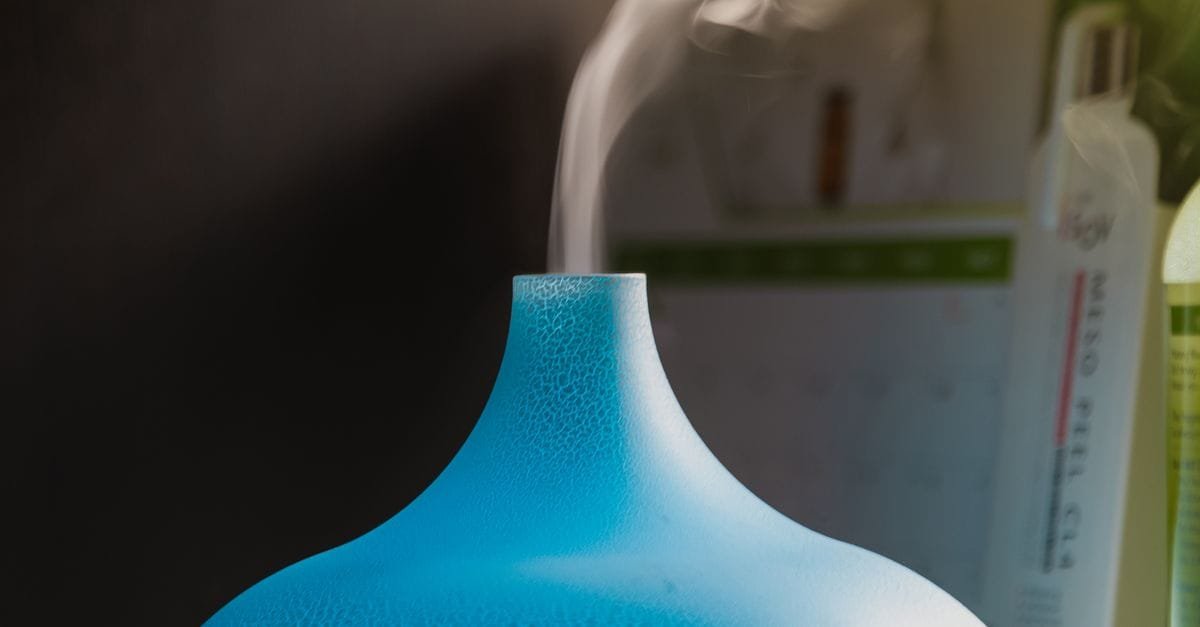
The main types are ultrasonic diffusers, which use water and vibrations to release a fine scented mist; nebulizing diffusers, which disperse pure oil without water; plus simpler reed and evaporative diffusers.
Ultrasonic models are the most popular for home use, being quiet, affordable, and doubling as light humidifiers. Knowing the types helps you pick one that suits your space and how you like to use scent.
How does an ultrasonic diffuser work?
An ultrasonic diffuser adds a few drops of essential oil to water, then uses high-frequency vibrations to break it into a fine mist that floats gently into the air, filling the room with fragrance.
Because it uses water, it also adds a little humidity, which many people find pleasant. Its quiet operation and soft mist make it ideal for bedrooms, living rooms, and relaxing spaces.
How do you choose the right diffuser?
Consider the size of your room, how long you want it to run, noise level, and features like timers, auto shut-off, and lighting. A larger space needs a diffuser with a bigger water tank and coverage.
Think about where you will use it, whether a bedside table or a large living room. Matching the diffuser’s capacity and features to your needs ensures it works well and lasts.
How do you use and maintain a diffuser?
Fill it with water to the marked line, add a few drops of oil, and switch it on. To keep it working well, empty and wipe it after use and clean it regularly to prevent oil residue building up.
A quick rinse between different oils keeps scents pure, and an occasional deeper clean with a little vinegar helps. Simple maintenance keeps your diffuser running reliably for a long time.
What essential oils are best to diffuse for calm?
For relaxation, lavender is the classic choice, along with chamomile, bergamot, frankincense, and sweet orange. Citrus oils are uplifting for daytime, while lavender and chamomile suit evenings and sleep.
You can also blend oils to create your own signature calming scent. Choosing pure essential oils rather than synthetic fragrance oils ensures you get the genuine aromatherapy benefits.
How much water and oil should you use?
Follow your diffuser’s instructions, but a common guideline is a few drops of oil per 100ml of water. Start with less, as you can always add more, and too much oil can be overpowering.
Using the right ratio gives a pleasant, balanced scent without waste. Over time you will learn your preferred strength for different oils and room sizes.
Are diffusers safe around children and pets?
Diffusers are generally safe when used sensibly, but some essential oils can be harmful to pets, especially cats, and strong scents may not suit young children. Diffuse in well-ventilated spaces and keep sessions moderate.
Give pets the option to leave the room, and research pet-safe oils if you have animals. When in doubt, check with your veterinarian or pediatrician to use aromatherapy safely around your whole household.
Diffuser or humidifier: which do you actually need?
People often mix up the two, but they solve different problems. A diffuser is built to release essential-oil scent for mood and relaxation, using only a little water.
A humidifier is built to add real moisture to dry air — easing dry skin, sinuses, and winter congestion — and most humidifiers should not be used with essential oils.
If your goal is calming aroma, a diffuser is the right pick; if dry air is your problem, you want a humidifier. Our full essential oil diffuser vs humidifier guide breaks down every difference. To weave aromatherapy into your evenings, see our self-care routine for better sleep and less stress and complete guide to stress relief.
Frequently asked questions
Are essential oils safe around pets?
Some (tea tree, eucalyptus, citrus) can be harmful to cats and dogs. Diffuse in a ventilated room, keep sessions short, give pets a way to leave, and check with your vet.
How long should I run a diffuser?
30–60 minutes is plenty for most rooms. Many diffusers have interval modes so they don’t run all night.
Can aromatherapy really help me sleep?
For many people a calming scent like lavender, used as part of a consistent wind-down, genuinely helps signal “bedtime.” It works best alongside good sleep habits, not instead of them.
How much do diffusers cost?
Good ultrasonic diffusers run roughly $20–$45; premium nebulizers $60+. A starter oil set is usually $15–$30.
What’s the difference between essential oils and fragrance oils?
Essential oils are pure plant extracts; fragrance oils are synthetic scents. For aromatherapy benefits, choose 100% pure essential oils.
Bottom line
Start small: one quiet ultrasonic diffuser and a bottle of pure lavender. Use it during your evening wind-down for a week and notice how your brain starts to associate that scent with rest. Small ritual, surprisingly big calm. 🌿
— The Self-Care Edit team 🌿
Shop Aromatherapy Picks on Amazon →

I'm Khan Laila, the founder and editor of The Self-Care Edit. I'm a dedicated self-care enthusiast and researcher (not a medical professional) on a mission to make relaxation, better sleep, and everyday wellbeing simpler and more accessible. I write and curate every guide here with genuine care, honest product picks, and a firm belief that self-care should be realistic and guilt-free.