A warm cup of herbal tea is one of the oldest, simplest self-care rituals there is. The right calming herbs can genuinely help ease tension, quiet a busy mind, and prepare your body for rest — all without caffeine or side effects.
This guide walks through the best calming teas and herbal blends, what each one does, how to brew them properly, and how to build a soothing tea ritual into your day. Think of it as your friendly herb-by-herb companion to a calmer evening.
What are the best calming teas and herbal blends?
The most calming teas are chamomile, lavender, lemon balm, passionflower, valerian, and peppermint. Each soothes in its own way, and many are blended together for a deeper, more rounded effect.
If you want relaxation without caffeine, herbal (non-tea) infusions are your best friends — they are naturally caffeine-free and gentle enough for the evening.

Key takeaways
- Herbal teas calm both body and mind, gently and naturally.
- Chamomile, lavender, and lemon balm are the classic calming stars.
- The ritual itself matters as much as the herbs.
- Most calming herbal teas are caffeine-free, ideal for evenings.
- Check with a professional if you are pregnant or on medication.
Why do herbal teas help you relax?
Herbal teas work on two levels at once. Many calming herbs contain natural compounds traditionally used to ease tension and support sleep, gently nudging your body toward a more relaxed state.
Just as importantly, the ritual of making and sipping tea creates a pause in a busy day. Cradling a warm mug, breathing in the aroma, and slowing down all signal to your nervous system that it is safe to unwind.
For a wider view of natural calm, our guide to calming your nervous system explains how these small signals add up.
1. Chamomile: the classic calmer
Chamomile is the most famous calming tea, and deservedly so. It has been used for centuries to ease tension and encourage restful sleep, with a mild, gently floral, slightly sweet flavor most people enjoy.
It is the perfect starting point if you are new to herbal teas, and a lovely part of a wind-down routine an hour or so before bed.
2. Lavender: soothing and floral
Lavender is as calming to drink as it is to smell. Its distinctive floral aroma is deeply associated with relaxation, and a warm cup can feel like a hug at the end of a stressful day.
Lavender is often blended with chamomile for an even more soothing cup. If you love the scent, our beginner’s guide to aromatherapy shows other ways to enjoy it.

3. Lemon balm: gently uplifting
Lemon balm is a member of the mint family with a bright, lemony flavor. It has long been used to ease tension and lift a low mood, making it a lovely daytime calmer that soothes without making you drowsy.
It blends beautifully with chamomile or mint, and works well whenever you need to take the edge off a stressful afternoon.
4. Peppermint: refreshing and easing
Peppermint tea is crisp, refreshing, and naturally caffeine-free. Beyond its clean taste, it is traditionally used to ease digestion, which is helpful since stress and tummy troubles often go together.
It is a great choice after a meal or whenever you want something soothing but a little more invigorating than a floral tea.
5. Passionflower: for a busy mind
Passionflower is a gentle herb traditionally used to quiet a racing mind and support sleep. It has a mild, earthy, grassy flavor and is often included in bedtime blends.
If your stress shows up as overthinking at night, passionflower is well worth trying as part of your evening ritual.
6. Valerian root: the sleep herb
Valerian root is one of the most well-known herbs for sleep. It has a strong, earthy taste that not everyone loves, so it is frequently blended with sweeter herbs to soften it.
Because it is quite potent and can cause drowsiness, valerian is best kept for the evening — and worth checking with a professional if you take other medications.
7. Rooibos: rich and caffeine-free
Rooibos, or red bush tea, is a naturally caffeine-free option with a smooth, slightly sweet, full-bodied flavor. It makes a comforting evening alternative if you crave something richer than a delicate floral tea.
It is gentle, versatile, and pairs well with a splash of milk or a touch of honey for a cozy treat.
8. Ginger and other warming blends
Ginger tea is warming, soothing, and comforting, especially on a cold or tense evening. While more invigorating than sedating, its warmth and gentle spice make it a grounding, calming ritual.
Ginger blends nicely with lemon and honey, or with calming herbs, to create a cup that feels like genuine self-care in a mug.
How do you brew calming tea properly?
A few simple steps make a real difference. Use fresh, just-boiled water for most herbal teas, and let them steep longer than you might expect — often five to seven minutes — to draw out the beneficial compounds and full flavor.
Cover your cup or pot while it steeps to keep the aromatic oils from escaping. Then slow down and actually enjoy it, rather than gulping it between tasks.
When is the best time to drink calming tea?
It depends on the herb and your goal. Caffeine-free calming teas like chamomile, lavender, and valerian are ideal in the evening, roughly an hour before bed, as part of a wind-down routine.
Gentler daytime calmers like lemon balm and peppermint can be enjoyed anytime you need to reset. The key is to pair the tea with a genuine pause, not just add it to a hectic moment.
How do you build a calming tea ritual?
The ritual is where the real magic lives. Choose a favorite mug, put your phone away, and give yourself a few uninterrupted minutes to make and savor your tea without multitasking.
Pair it with something else soothing — reading, journaling, or a few deep breaths — and it becomes a signal that the day is winding down. Over time, this small ceremony becomes a cue for calm.
What about caffeine in “calming” teas?
This trips people up, so it is worth clarifying. True teas — green, black, white, and oolong — all contain caffeine, even soothing-sounding green tea, so they are not ideal right before bed.
Herbal infusions like chamomile and peppermint are not technically “tea” at all and are naturally caffeine-free. For evening calm, stick to herbal blends and check the label if you are unsure.
Are calming teas safe for everyone?
For most healthy adults, calming herbal teas are very safe and gentle. However, some herbs are not recommended during pregnancy or breastfeeding, and a few can interact with medications or cause drowsiness.
If you are pregnant, take regular medication, or have a health condition, it is wise to check with a doctor or pharmacist before making a new herb a daily habit. When in doubt, ask.
What are common mistakes with calming teas?
The biggest one is expecting instant, dramatic results. Calming teas offer gentle support, not a knockout effect, and they work best as part of a wider routine rather than a standalone cure.
Other slip-ups include not steeping long enough, drinking caffeinated tea before bed by mistake, and rushing the cup. Slow down, steep properly, and let the ritual do its quiet work.
How do calming teas fit into your self-care?
Think of tea as one gentle thread in a larger calming routine. On its own it is lovely; combined with good sleep habits, breathing, and a proper wind-down, it becomes genuinely powerful.
For ready-made blends chosen specifically for stress and sleep, see our roundup of the best calming teas, and fold your favorite into your evening.
Frequently Asked Questions
What is the best tea to calm anxiety?
Chamomile is the most popular choice for easing anxiety and tension, thanks to its long history of use and gentle, soothing nature. Lavender, lemon balm, and passionflower are also excellent. Many people find a blend of chamomile and lavender especially calming, particularly as part of an evening wind-down routine.
Are calming teas caffeine-free?
Most true calming herbal teas — like chamomile, lavender, peppermint, and rooibos — are naturally caffeine-free, making them ideal for the evening. However, green, black, white, and oolong teas all contain caffeine despite sometimes sounding soothing. For bedtime, always choose caffeine-free herbal infusions and check the label if unsure.
How long before bed should I drink calming tea?
Around an hour before bed is ideal. This gives the warm drink time to work as part of your wind-down and avoids waking you for the bathroom right as you fall asleep. Pair it with other calming habits like dimming the lights and putting screens away for the best effect.
Can I drink calming tea every day?
For most healthy adults, enjoying calming herbal teas daily is perfectly fine and can be a lovely self-care habit. That said, it is smart to vary your herbs, follow package directions, and check with a professional if you are pregnant, breastfeeding, or taking medication, as some herbs can interact or are not recommended.
Do calming teas actually work or is it just the ritual?
It is genuinely both. Many calming herbs contain natural compounds traditionally used to ease tension and support sleep, and the comforting ritual of pausing to sip something warm is itself relaxing. You get the benefit of the herbs and the calming pause together, which is what makes tea such an effective, gentle self-care tool.
How are herbal teas different from regular tea?
This is a common point of confusion. Regular teas — green, black, white, and oolong — all come from the same plant and contain caffeine. Herbal “teas” are really infusions of other plants, flowers, and roots, and are usually caffeine-free.
That difference matters for calm, because caffeine is a stimulant that can add to stress and disrupt sleep. For relaxation, especially in the evening, caffeine-free herbal infusions are almost always the better choice.
Can calming teas really help you sleep?
Many people find they genuinely help. Herbs like chamomile, valerian, and passionflower have long been used to support restful sleep, and a warm, caffeine-free cup is a soothing part of a bedtime routine.
Tea alone will not fix serious sleep problems, but as one piece of a calming wind-down — alongside dim lighting and less screen time — it can make drifting off noticeably easier. Our guide to sleeping better naturally covers the full picture.
What calming tea blend should you try first?
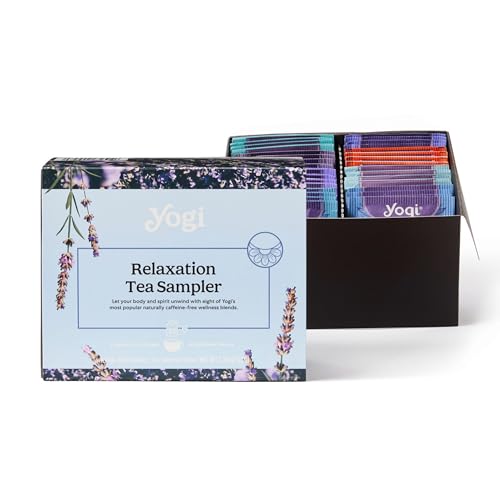
A gentle chamomile-and-lavender blend is a wonderful starting point, combining two of the most soothing herbs into one comforting cup. Sampler sets are ideal for beginners, letting you try several calming herbs to find your favorites.
Once you know what you like, you can buy your favorites in larger quantities or even blend your own custom mix.
🍵 Shop calming tea samplers on Amazon →
Loose leaf or tea bags: does it matter?
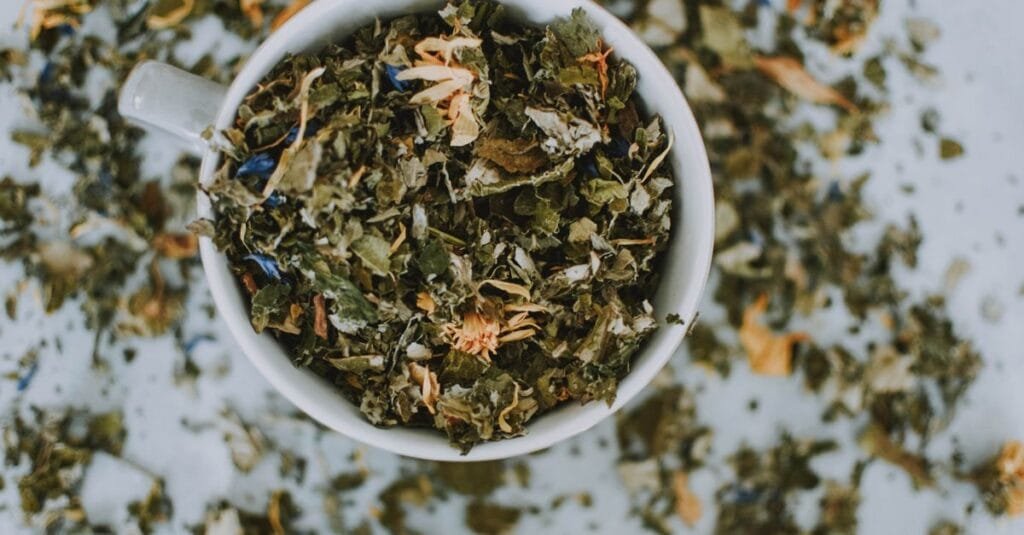
Both can make a lovely cup, so choose what suits your life. Loose-leaf herbs are often fresher and more flavorful, and let you control the strength, but they need a strainer or infuser and a little more effort.
Tea bags are convenient, consistent, and perfect for busy days or the office. For a daily habit you will actually keep, convenience often wins, so there is no shame in reaching for quality bags.
Can you drink too much herbal tea?
In normal amounts, calming herbal teas are very gentle, but moderation still applies. Drinking large quantities of a potent herb like valerian, or relying heavily on one herb every day, is not ideal.
Variety is your friend — rotating between different calming herbs keeps things balanced and interesting. If you take medication or are pregnant, check which herbs are safe before making any a daily habit.
How do you make iced calming tea?
Calming teas are just as lovely cold in warmer weather. Simply brew a stronger-than-usual batch, let it cool, and pour it over ice, or cold-brew herbs in the fridge overnight for a smooth, mellow flavor.
Iced chamomile or lemon balm with a slice of lemon makes a refreshing, caffeine-free alternative to sugary drinks, keeping your calm ritual going all year round.
Which calming teas suit the workday?
For daytime, you want calm without drowsiness. Lemon balm and peppermint are ideal — they ease tension and refresh you without the sedating effect of valerian or heavy doses of chamomile.
Keeping a caffeine-free calming tea at your desk gives you a soothing ritual and a reason to pause during a stressful afternoon, without affecting your focus or your sleep later.
How should you store herbal teas?
Proper storage keeps your teas fresh and flavorful. Keep them in airtight containers away from light, heat, and moisture, which all degrade the delicate aromatic compounds over time.
A cool, dark cupboard is perfect. Well-stored dried herbs stay good for many months, so buy amounts you will realistically use and keep them sealed between brews.
Final thoughts
Calming teas are one of the easiest, most affordable ways to add a moment of peace to your day. From classic chamomile to soothing lavender and sleep-friendly valerian, there is a herbal blend for every mood and moment.
Brew it properly, slow down to enjoy it, and let it become a signal that it is time to relax. To weave this ritual into a bigger picture of calm, explore our complete guide to building a self-care routine for better sleep and less stress.

I'm Khan Laila, the founder and editor of The Self-Care Edit. I'm a dedicated self-care enthusiast and researcher (not a medical professional) on a mission to make relaxation, better sleep, and everyday wellbeing simpler and more accessible. I write and curate every guide here with genuine care, honest product picks, and a firm belief that self-care should be realistic and guilt-free.