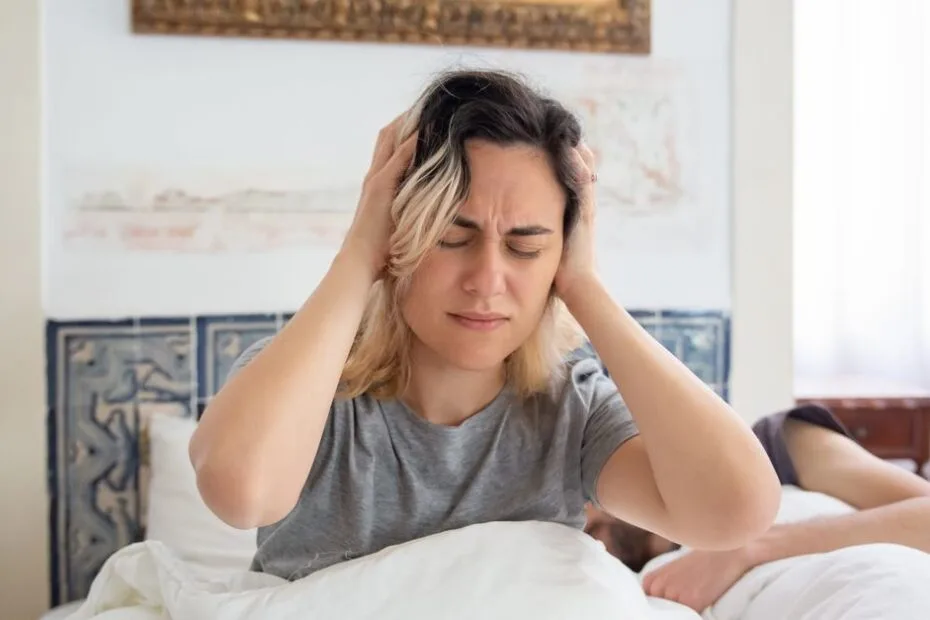
The alarm hasn’t even finished its first ring and your heart is already pounding. Before your feet touch the floor, your mind has drafted three worst-case scenarios for a day that hasn’t started yet.
Also Read



If mornings are your most anxious hours, you’re not broken — and you’re very much not alone. There’s real physiology behind waking up wired, and real, gentle ways to turn the volume down.
Quick answer: Morning anxiety is largely biology meeting habit. Cortisol — your alertness hormone — naturally peaks in the first 30–45 minutes after waking (the “cortisol awakening response”), and if you’re carrying stress, that surge amplifies it into racing thoughts and a pounding chest. Blood sugar lows, poor sleep, and checking your phone on waking all pour fuel on it. The fix is a calmer landing: steady sleep, a slower first ten minutes, grounding and breathing tools, and — when anxiety is frequent or heavy — support from a professional, because persistent anxiety is very treatable.
Key Takeaways
- Waking up anxious has a biological engine: cortisol naturally surges right after waking — stress turns that surge into alarm.
- The phone is a morning anxiety machine: news and email during the cortisol peak means marinating in stress hormones.
- The first ten minutes matter most: light, water, slow breath, no screens changes the whole trajectory.
- Evening you sets up morning you: late caffeine, alcohol, doomscrolling and vague worries all book 6 a.m. appointments.
- Tools that work in the moment: slow exhale breathing, 5-4-3-2-1 grounding, and getting moving.
- Frequent, intense morning anxiety deserves professional support — it responds well to therapy; suffering through it isn’t required.

Why Do You Wake Up Anxious? (The Cortisol Story)
Your body ships with a built-in espresso shot: the cortisol awakening response. In the first half hour to forty-five minutes after you wake, cortisol — the hormone of alertness and mobilization — rises sharply to boot the system for the day.
In calm seasons of life, that surge just feels like waking up. But cortisol is also the stress hormone — and if you went to bed worried, under-slept, or generally stretched thin, the morning surge lands on a nervous system already primed for threat.
The result: heart thumping, stomach tight, thoughts sprinting — before anything has actually happened. As Cleveland Clinic’s health experts put it, the morning cortisol peak can make the first hours of the day the hardest for anxious people.
Understanding this changes the story you tell yourself: the pounding chest at 6:30 isn’t proof the day is dangerous. It’s chemistry with bad timing — and chemistry can be worked with.
What Else Feeds Morning Anxiety?
Cortisol is the engine, but several passengers make the ride worse:
Overnight blood sugar dip. After eight foodless hours, low blood sugar can mimic and magnify anxiety — shakiness, unease, irritability. For some people, breakfast is genuinely half the cure.
Poor or short sleep. Sleep deprivation cranks up the brain’s threat detector; a rough night practically pre-orders a jittery morning.
The bedtime worry meeting. Falling asleep rehearsing tomorrow’s problems instructs your brain to resume that exact agenda at wake-up — which it dutifully does.
The instant phone check. Email, news, and feeds deliver a stress payload directly into your cortisol peak. It’s the single most common — and most fixable — morning anxiety habit.
Yesterday’s chemicals. Alcohol in the evening fragments sleep and rebounds as next-morning anxiety (“hangxiety” is real); caffeine late in the day lingers into the night’s sleep quality.
An anxiety disorder doing its thing. Sometimes morning anxiety is one face of generalized anxiety — more on when to seek support below, because that version has genuinely good treatments.
What Helps in the Moment, When You Wake Up Anxious?
Tools for the actual pounding-heart minutes — all doable from the bed:
Lengthen the exhale
Breathe in for a count of four, out for a count of six to eight. The long exhale activates the vagus nerve — your body’s built-in brake pedal. Five rounds, eyes closed, before anything else. (Full menu in our breathing exercises guide.)
Ground in your senses
The 5-4-3-2-1 method — five things you can see, four you can touch, three you can hear, two you can smell, one you can taste — escorts your attention out of the catastrophe reel and back into the ordinary, safe room.
Name it accurately
Quietly labeling it — “this is my cortisol peak, it crests and passes” — sounds too simple to work, but naming an experience engages the brain’s calmer circuitry. The wave usually softens within 20–40 minutes; knowing that shrinks it.
Change the body’s channel
Sit up, feet on floor, shoulders down; drink the glass of water on the nightstand; open the curtains for light. Small physical actions signal “day, not danger” faster than thoughts can argue.
Get moving, gently
Movement metabolizes stress hormones — a ten-minute walk, easy stretching, or a few sun salutations converts the cortisol surge into what it was designed for: motion.

How Do You Build a Morning That Doesn’t Spike You?
Beyond the emergency tools, the architecture of your first hour decides a lot:
Delay the phone — the big one. Thirty to sixty screen-free minutes after waking keeps news and demands out of your cortisol window. Charge the phone across the room (bonus: it fixes snoozing too) and let an actual alarm clock do the waking.
Add light and water early. Bright morning light steadies the whole circadian system, and rehydrating after a night’s fast quiets some of the shaky-empty feeling.
Eat something with protein reasonably soon if you wake shaky — steadying blood sugar steadies the mood riding on it.
Front-load a calming ritual, not a productivity sprint. Ten minutes of journaling, stretching, or sitting quietly with tea gives the cortisol crest time to pass before demands begin. Our 15-minute morning routine is built for exactly this slot.
Keep the wake time steady. An erratic schedule makes the hormonal morning wave less predictable; consistency tames it (the full method is in our wake-up-early guide).
How Does the Night Before Shape the Morning After?
Morning anxiety is often evening stress on a time delay. The night-before levers:
Close the loops on paper. Ten minutes of writing tomorrow’s tasks and today’s worries tells the brain it’s handled — and a brain that believes that doesn’t schedule a 6 a.m. emergency review. (Journaling for stress relief has the prompts.)
End the scroll early. Late-night feeds are both stimulating light and emotional static — the doomscrolling guide covers the escape plan.
Watch the alcohol and late caffeine — both are quiet morning-anxiety sponsors via broken sleep.
Land the plane gently. A consistent wind-down routine — dim lights, warm shower, a body scan in bed — buys the deeper sleep that makes tomorrow’s surge survivable.
One honest framing: you can’t delete the cortisol response — it’s supposed to happen. You’re lowering the baseline it lands on.

What Should You NOT Do About Morning Anxiety?
Don’t hit snooze into the spiral. Fragmented dozing adds grogginess on top of anxiety — one deliberate wake-up with a breathing round beats five dreading snoozes.
Don’t treat coffee as the first responder. Caffeine on an empty, already-surging system can read as pure jitter. Water, food, light first; coffee a little later rides much smoother.
Don’t argue with every anxious thought. At peak cortisol, thoughts are unreliable narrators. You don’t have to believe them or debate them — acknowledge, breathe, let the wave pass, and re-evaluate at 10 a.m., when chemistry has moved on.
Don’t build avoidance rituals. Skipping mornings, calling in, staying in bed — relief now, reinforcement later. Gentle engagement (small step, then the next) teaches the system mornings are survivable.
Don’t self-blame. This is physiology plus habit, not weakness. Nobody white-knuckles their way out of a hormone curve — they work around it.
When Should You Seek Professional Support?
Self-help tools are real help for everyday morning anxiety — and there’s a line where the kinder move is bringing in a professional:
- Morning anxiety is most days for weeks, or intense enough to disrupt work, family, or eating.
- It comes with panic attacks, persistent dread, or physical symptoms that worry you.
- You’re waking at 3–4 a.m. with racing thoughts regularly, or dreading sleep itself.
- Low mood, hopelessness, or loss of interest ride along — anxiety and depression often travel together.
- You’re relying on alcohol or substances to blunt the mornings or reach sleep.
Anxiety is among the most treatable things a person can bring to therapy — approaches like CBT have decades of results, and a doctor can rule out physical contributors (thyroid, medications, and more can mimic anxiety).
The standing honest note: this guide is self-care education, not medical or mental-health advice — a professional who knows you beats any article, and reaching out is strength, not defeat.
A Realistic 10-Minute Anti-Anxiety Morning (Copy This)
The whole playbook, compressed into a morning you can actually run:
- Minute 0–2: alarm off (across the room), sit on the bed’s edge, five rounds of 4-in / 8-out breathing.
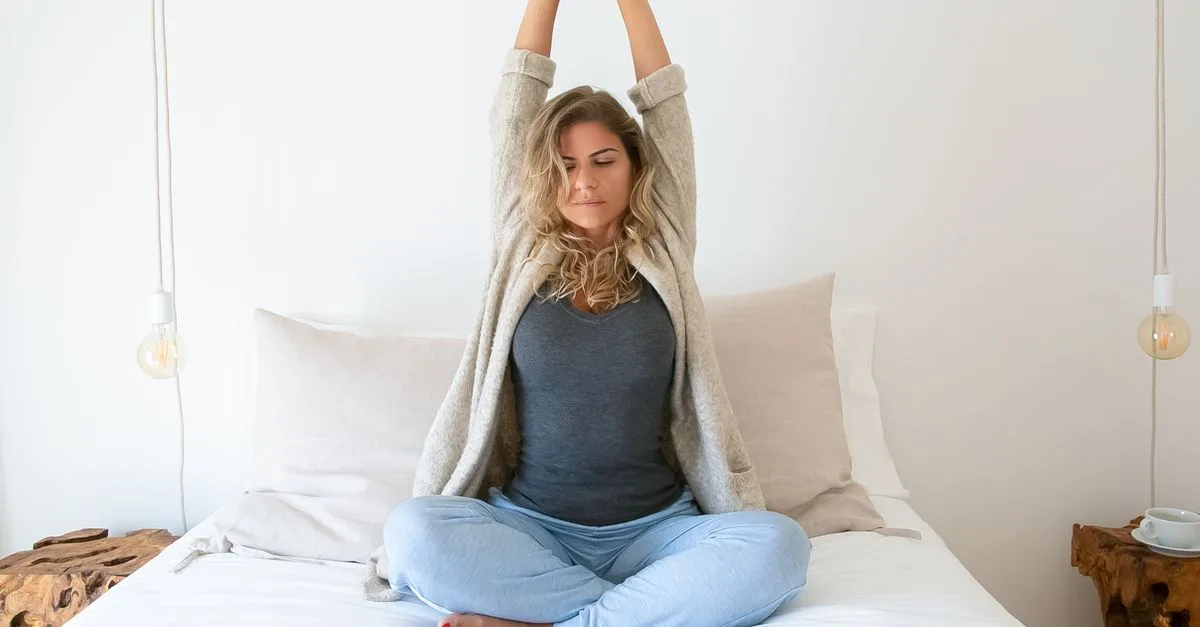
- Minute 2–4: curtains open, big glass of water, one long stretch toward the ceiling.
- Minute 4–7: the quiet anchor — tea or coffee with a window, journal three lines, or simply sit and let the light land. No phone yet.
- Minute 7–10: gentle motion — a lap around the home, easy stretches, step onto the balcony.
- After 30–60 minutes: phone returns, on your terms, ideally after breakfast.
Run it for two weeks before judging it. The surge will still arrive — but it lands on a runway now, not on a trampoline.
Why Are Weekend Mornings Sometimes Worse?
Counterintuitive but common: the anxious jolt hits harder on Saturday. A few reasons why.
Friday night’s chemistry bill. Alcohol is the classic “hangxiety” sponsor — it fragments the night’s second half and rebounds as morning unease.
The lie-in shifts your clock. Waking two hours later moves your cortisol peak into unfamiliar territory and gives Monday a jet-lagged launchpad.
Unstructured time invites the scanner. Weekday mornings hand your brain a script; weekend blankness lets the threat-scanner freelance. A loose weekend morning ritual — same wake window, same first-ten-minutes — keeps the calm without killing the rest.
Calmer-morning companions — honest Amazon searches:
Frequently Asked Questions
Why do I wake up with anxiety every morning?
Largely because cortisol — your alertness hormone — naturally peaks in the first 30–45 minutes after waking, and ongoing stress, poor sleep, low blood sugar, or an immediate phone check can amplify that surge into racing thoughts and a pounding heart. It’s physiology plus habit, and both sides can be worked on.
How do I calm morning anxiety fast?
From the bed: breathe in for four and out for eight for five rounds, then ground with the 5-4-3-2-1 senses method, drink water, open the curtains, and move gently. The cortisol wave typically crests and passes within about 20–40 minutes — the tools make riding it far easier.
Does checking my phone in the morning make anxiety worse?
For most people, noticeably — news, email, and feeds deliver stress directly into your body’s peak-cortisol window. Delaying screens 30–60 minutes after waking is one of the highest-impact single changes for anxious mornings.
Why is anxiety worse in the morning than at night?
The cortisol awakening response makes early hours your body’s most activated time, and an empty stomach plus unprocessed worries from the night amplify it. Many people feel anxiety ease across the day as cortisol declines — the pattern itself is a clue it’s hormonal timing, not the day being truly dangerous.
Can lack of sleep cause morning anxiety?
Strongly — sleep deprivation heightens the brain’s threat sensitivity and worsens the next morning’s hormonal landing. Protecting sleep with a consistent schedule and a wind-down routine is foundational morning-anxiety treatment.
What should I eat or drink for morning anxiety?
Water soon after waking, then a breakfast with some protein to steady overnight blood-sugar dips that mimic anxiety. Consider holding coffee until after food and light — caffeine on an empty, surging system often reads as pure jitters.
When is morning anxiety a sign of something more serious?
When it’s most days for weeks, disrupts daily life, includes panic attacks or 3 a.m. wakings with racing thoughts, or travels with low mood. That pattern deserves a professional — anxiety responds very well to therapy, and a doctor can also rule out physical contributors.
The bottom line
Morning anxiety is a wave with a schedule: chemistry crests, habits amplify, and both are workable. Give the surge a soft runway — breath, light, water, no phone — drain the evening fuel that feeds it, and let a professional carry the heavy version. The alarm can go back to being just an alarm.

I'm Khan Laila, the founder and editor of The Self-Care Edit. I'm a dedicated self-care enthusiast and researcher (not a medical professional) on a mission to make relaxation, better sleep, and everyday wellbeing simpler and more accessible. I write and curate every guide here with genuine care, honest product picks, and a firm belief that self-care should be realistic and guilt-free.