
Also Read

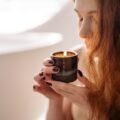
Holistic wellness is about caring for the whole you — body, mind, and spirit — rather than treating each in isolation. From aromatherapy and meditation to soothing rituals with sound, scent, and nature, holistic practices offer gentle, comforting ways to feel more balanced and calm.
This guide explains what holistic wellness really means, the practices and tools people love most, and how to build a simple holistic self-care routine — with honest, grounded expectations along the way.
What is holistic wellness?
Holistic wellness is an approach to wellbeing that considers the whole person — physical, mental, emotional, and spiritual — as connected parts of one balanced life, rather than separate boxes to tick.
In practice, it means nurturing your body, calming your mind, and tending to what gives you meaning, using gentle, natural, everyday rituals that help you feel whole and at ease.

Key takeaways
- Holistic wellness cares for body, mind, and spirit together.
- Aromatherapy, meditation, and nature are gentle foundations.
- Soothing rituals like sound and scent support relaxation.
- It complements, never replaces, professional medical care.
- Start small with practices that genuinely resonate with you.
Why do people love holistic practices?
Holistic practices are gentle, calming, and deeply personal. Many people find that caring for the whole self — not just fixing one symptom — brings a greater sense of balance, meaning, and peace.
These rituals also encourage you to slow down and be present, which is a powerful antidote to modern stress. The appeal is as much about how the rituals feel as any single outcome.
An honest note before we begin
It is worth being clear and grounded here. Holistic practices are wonderful for relaxation, comfort, and everyday wellbeing, but they are not a cure for illness and are not a substitute for medical care.
Think of them as supportive, soothing rituals that complement a healthy life and professional treatment when needed. Enjoyed with realistic expectations, they are a genuinely lovely part of self-care.
1. Aromatherapy and essential oils
Scent is a cornerstone of holistic self-care. Calming essential oils like lavender and frankincense, used in a diffuser or diluted on the skin, create a soothing atmosphere and a moment of ritual.
New to it? Our beginner’s guide to aromatherapy covers safe, simple ways to start.
🌿 Shop essential oil sets on Amazon →
2. Meditation and mindfulness
Meditation is central to holistic wellbeing, calming the mind and connecting you to the present moment. Even a few minutes a day can ease stress and bring a sense of inner stillness.
There are many styles, from breath awareness to guided meditations. Our meditation for beginners guide makes it easy to find one that suits you.
3. Sound and singing bowls
Sound is a soothing, immersive holistic ritual. Singing bowls, chimes, and gentle music are widely used to create a calming atmosphere for relaxation and meditation, their resonant tones helping quiet a busy mind.
Many people find a few minutes of gentle sound deeply relaxing at the end of the day. It pairs beautifully with meditation or a quiet evening wind-down.
🔔 Shop singing bowls on Amazon →

4. Crystals and meaningful objects
Crystals are a popular part of many people’s holistic rituals. While they are not a medical treatment, many enjoy them as beautiful, calming objects that serve as reminders of intentions like peace, focus, or gratitude.
Used this way — as a mindful anchor or a lovely addition to a calm space — they can add meaning and ritual to your self-care. Enjoy them for the comfort and intention they bring, without expecting physical cures.
5. Herbal teas and botanicals
Herbal remedies have a long place in holistic traditions. Calming teas like chamomile and lemon balm offer a gentle, comforting ritual and a caffeine-free way to unwind.
See our roundup of the best calming teas for soothing blends. As with any botanical, check with a professional if you are pregnant or take medication.
6. Sage, incense, and cleansing rituals
Cleansing rituals like burning sage, palo santo, or incense are used in many traditions to mark a fresh start or create a calm, intentional space. For many, the ritual itself is grounding and meaningful.
Approach these respectfully, use them safely with good ventilation, and enjoy them as a way to set a peaceful tone in your home rather than as any kind of medical practice.
7. Yoga and mindful movement
Yoga beautifully unites body, breath, and mind — the essence of holistic wellness. Gentle flows release physical tension while the focus on breathing calms the mind, leaving you centered and at ease.
You can practice at any level, from simple stretches to fuller sequences. It is one of the most accessible and rewarding holistic practices to build into a routine.

8. Time in nature
Connecting with nature is holistic wellness at its simplest. Time among trees, gardens, or open air lowers stress and restores a sense of calm and perspective.
The practice of forest bathing makes this intentional. Our guide to forest bathing shows how to soak up nature’s calming benefits.
9. Journaling and reflection
Reflection nurtures the emotional and spiritual side of wellbeing. Journaling your thoughts, gratitude, or intentions helps you process feelings and connect with what matters to you.
It is a quiet, powerful ritual that needs only a notebook and a few minutes. Our guide to journaling for stress relief offers prompts to begin.
10. Breathwork
Conscious breathing is a foundational holistic practice, linking body and mind instantly. Slow, deep breaths calm the nervous system and bring you into the present, easing tension within minutes.
It is free, always available, and beautifully simple. Breathwork pairs naturally with almost every other holistic practice, deepening their calming effect.
How do you start a holistic self-care routine?
Begin with what genuinely appeals to you. Choose one or two practices that feel calming or meaningful — perhaps aromatherapy and meditation — and weave them gently into your day.
The video below shares simple self-care ideas you can try in just a few minutes, a perfect starting point.
How do you build a holistic routine that lasts?
Consistency and enjoyment are everything. Attach your chosen practices to existing habits — scent and breathwork in the morning, tea and journaling at night — so they become a natural rhythm.
Let your routine evolve over time, keeping what resonates and gently releasing what does not. A holistic routine should feel nourishing, never like another chore on your list.
What holistic practices should you be cautious with?
Enjoy holistic wellness with a grounded, discerning mind. Be wary of anything that promises to cure serious illness, replace medical treatment, or asks for large sums of money for guaranteed results.
Herbal supplements can interact with medication, so check with a professional before taking them. The healthiest holistic approach embraces soothing rituals while keeping realistic expectations and sound medical care.

How does holistic wellness fit with modern medicine?
They work best as partners, not rivals. Holistic rituals support relaxation, mood, and everyday balance, while medical care treats illness and health conditions — you deserve both when you need them.
Using calming practices alongside professional care gives you the comfort of ritual and the safety of evidence-based treatment. That balanced approach is holistic wellness at its wisest.
Frequently Asked Questions
What does holistic wellness mean?
Holistic wellness is an approach that cares for the whole person — body, mind, emotions, and spirit — as connected parts of one balanced life. Rather than focusing on a single symptom, it uses gentle, natural rituals like aromatherapy, meditation, movement, and time in nature to support overall wellbeing and calm.
Do holistic healing practices actually work?
Many holistic practices are genuinely effective for relaxation, stress relief, and everyday wellbeing — meditation, breathwork, aromatherapy, and time in nature all help you feel calmer. However, they are supportive rituals, not cures for illness, and should never replace medical care. Enjoy them with realistic expectations as part of a balanced life.
Are crystals and sage scientifically proven?
No, crystals and sage are not proven medical treatments. Many people enjoy them as meaningful, calming rituals — crystals as mindful reminders of intentions, and sage as a way to create a peaceful space. Valued this way, for comfort and ritual rather than physical cures, they can be a lovely part of holistic self-care.
How do I start a holistic self-care routine?
Start small with one or two practices that appeal to you, such as aromatherapy and meditation, and attach them to habits you already have. Keep it simple and enjoyable, let it evolve over time, and focus on what genuinely feels calming and meaningful. Consistency matters far more than doing everything at once.
Is holistic wellness safe alongside medical treatment?
Gentle holistic practices like meditation, aromatherapy, and time in nature are generally safe and complement medical care well. However, herbal supplements can interact with medication, and holistic practices should never replace prescribed treatment. Always keep your doctor informed and check with a professional before adding supplements, especially if you have a health condition.
What is the mind-body-spirit connection?
It is the idea at the heart of holistic wellness: that your physical body, mental state, and sense of meaning are all connected and influence one another. Tension in one area affects the others.
Holistic practices honor all three. By caring for your body, calming your mind, and nurturing what gives you purpose, you support a fuller, more balanced sense of wellbeing than tending any one alone.
How does holistic wellness view stress?
Holistically, stress is seen as a whole-person experience, not just a mental one. It shows up in the body as tension, in the mind as worry, and can drain your sense of balance and joy.
So holistic stress relief works on every level — relaxing the body, calming the mind, and reconnecting with meaning — which is why combining practices tends to be more effective than any single fix.
What does a holistic morning routine look like?
A gentle holistic morning sets a calm tone for the day. It might include a few minutes of stretching or breathwork, a quiet moment of intention or gratitude, and a nourishing, unhurried start rather than reaching straight for your phone.
It need not be long or elaborate. Even five mindful minutes of movement, breath, and reflection can help you begin the day feeling grounded and centered.
How do you create a calming space at home?
Your environment shapes how you feel. A calming corner with soft lighting, a pleasant scent, comfortable seating, plants, and a few meaningful objects gives you a dedicated place to relax and reset.
It does not require much space or money — just intention. Having a spot that signals “this is where I unwind” makes your holistic practices easier and more inviting to return to.
What role does diet play in holistic wellness?
Holistic wellness sees food as nourishment for body and mind. Balanced, whole foods, good hydration, and mindful eating all support steady energy and mood, and eating with attention becomes a grounding ritual in itself.
There is no need for perfection or restrictive rules. Gentle, nourishing choices and a calm, present approach to meals fit naturally into a holistic way of living.
How does sleep fit into holistic wellness?
Rest is a cornerstone of whole-person wellbeing. Good sleep restores body and mind, and holistic habits like calming teas, aromatherapy, a wind-down routine, and reduced screen time all support it.
Treating sleep as sacred rather than optional is deeply holistic. When you rest well, every other part of your wellbeing becomes easier to nurture.
Can you practice holistic wellness on a budget?
Absolutely — many of the most powerful practices are free. Breathwork, meditation, time in nature, journaling, and mindful movement cost nothing at all, yet offer profound calm.
You can add small, affordable touches like a candle or herbal tea as you wish, but holistic wellness is about intention and presence, not expensive products. It is wonderfully accessible to everyone.
How do you avoid holistic ‘overwhelm’?
With so many practices available, it is easy to feel you should do everything. The antidote is simplicity: choose a small handful of practices that genuinely resonate and do them consistently.
Holistic wellness should feel nourishing, not like a demanding checklist. Let go of pressure and perfectionism, and keep only what brings you real calm and meaning.
How do you know a practice is right for you?
Trust how it makes you feel. A practice that leaves you calmer, more present, or more content is worth keeping, while one that feels like a chore or does nothing for you can be gently set aside.
Holistic wellness is deeply personal, so experiment with curiosity and keep what resonates. Your own experience is the best guide to building a routine that truly supports you.
How do you make holistic wellness a lasting lifestyle?
Holistic wellness becomes lasting when it stops being a project and simply becomes how you live. Rather than chasing every trend, weave a few genuinely nourishing practices into your daily rhythm until they feel natural.
Let your approach evolve gently with your needs, keeping what serves you and releasing what does not. Approached with patience and self-compassion, holistic wellness is not a destination to reach but a kind, balanced way of caring for yourself for years to come.
Final thoughts
Holistic wellness is a gentle, nourishing way to care for your whole self — body, mind, and spirit. From aromatherapy and meditation to soothing sound, herbal teas, and time in nature, these rituals help you feel more balanced, calm, and present.
Choose the practices that resonate with you, enjoy them with grounded expectations, and let them complement a healthy, well-cared-for life. To build them into a fuller routine, see our complete guide to building a self-care routine for better sleep and less stress.

I'm Khan Laila, the founder and editor of The Self-Care Edit. I'm a dedicated self-care enthusiast and researcher (not a medical professional) on a mission to make relaxation, better sleep, and everyday wellbeing simpler and more accessible. I write and curate every guide here with genuine care, honest product picks, and a firm belief that self-care should be realistic and guilt-free.