Affiliate disclosure: As an Amazon Associate, The Self-Care Edit earns from qualifying purchases, at no extra cost to you. We only recommend products we love. This is for general wellness and is not medical advice.
Also Read


For years I was a terrible sleeper — lying awake, scrolling, then dragging myself through the next day exhausted. What finally turned things around wasn’t one magic fix; it was building a calming sleep environment with a few simple tools. A good sleep mask, the right sounds, a cool dark room, and a wind-down ritual genuinely transformed my nights. If you’re tired of being tired, the right sleep aids can help you fall asleep faster and wake up actually rested.
Here are the 12 best sleep aids for a better night’s rest — from silky sleep masks to white-noise machines, weighted blankets, and calming sprays. None of these replace good sleep habits or medical care for a sleep disorder, but together they create the conditions your body needs to drift off. Pair them with our sleep & relaxation guides.
Why your sleep environment matters
Your brain takes powerful cues from your surroundings. A room that’s dark, cool, quiet, and comfortable signals that it’s safe to sleep, while light, noise, and screens keep you alert. The Sleep Foundation consistently points to a consistent routine and a sleep-friendly environment as two of the most effective, drug-free ways to improve rest. The tools below simply make it easier to create those conditions — blocking light, masking noise, and helping your body relax.
What to look for in sleep aids
- Light blocking — a quality sleep mask or blackout setup for true darkness.
- Sound — white noise or calming sounds to mask disruptions.
- Comfort & temperature — cool, breathable bedding; weight for calm.
- Routine support — tools that cue your brain it’s bedtime (dim light, scent).
- Drug-free first — start with environment and habits before sleep supplements; check with your doctor for those.
The 12 best sleep aids
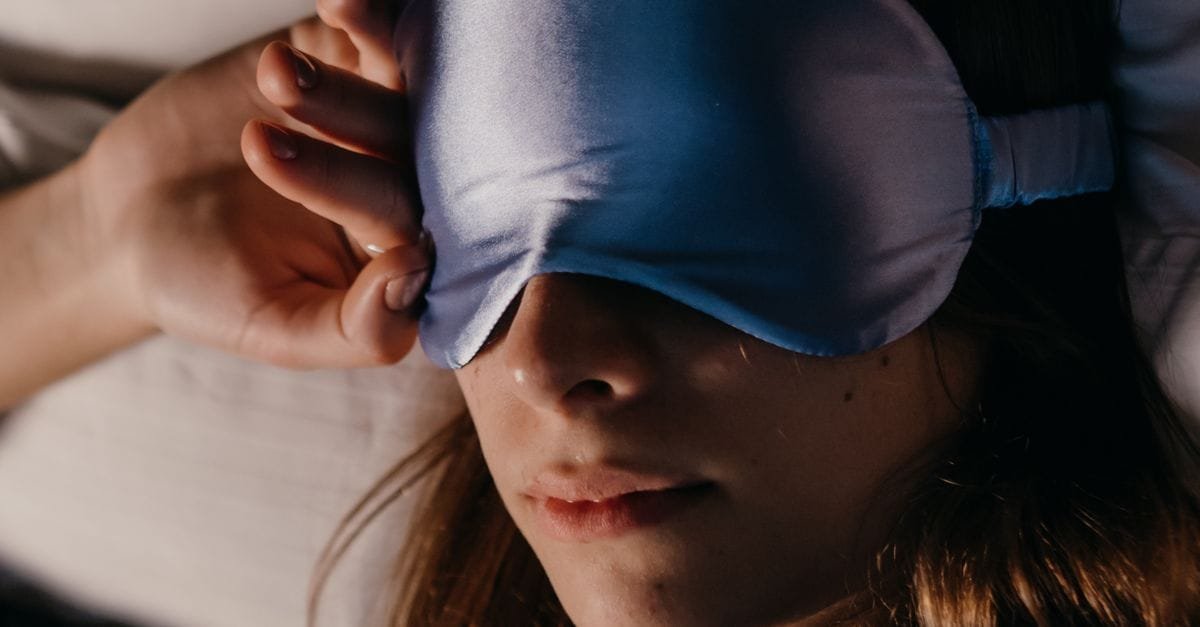
1. Best sleep mask — for true darkness
Even a little light disrupts melatonin. A contoured or silk sleep mask blocks it completely without pressing on your eyes, so you can sleep in a bright bedroom, on a plane, or through early sunrises. The single cheapest upgrade that made the biggest difference for me.
- ✅ Total darkness anywhere
- ✅ Comfortable, gentle on skin
- ❌ Takes a night or two to get used to
2. Best white noise machine
A white-noise machine masks sudden noises — traffic, snoring, a noisy neighbor — with a steady, soothing sound so they don’t jolt you awake. Choose one with fan, rain, and nature options to find your favorite.
- ✅ Masks disruptive noise
- ✅ Multiple soothing sounds
- ❌ Some prefer pink/brown noise — try options
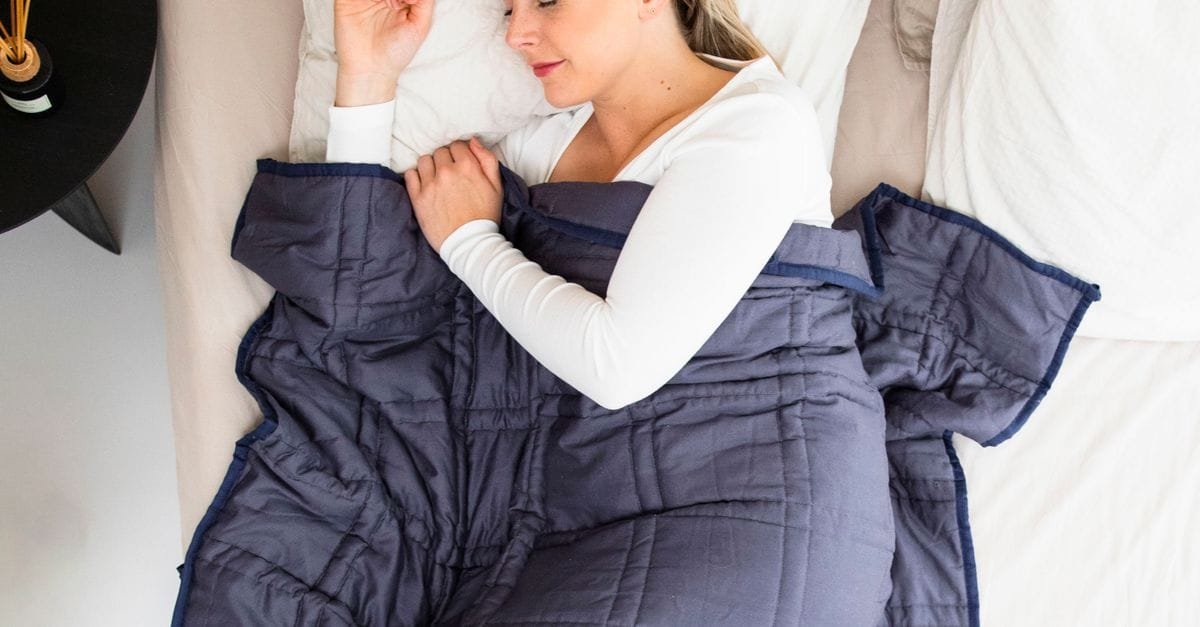
3. Best weighted blanket
The gentle, even pressure of a weighted blanket is genuinely calming for anxious or restless sleepers. Choose around 10% of your body weight, with a cooling cover if you sleep warm. (See our weighted blanket guide.)
- ✅ Calming deep pressure
- ✅ Helps restless sleepers settle
- ❌ Match the weight to your body
4. Best sunrise alarm clock
Jarring alarms spike stress. A sunrise alarm wakes you gradually with brightening light, so you rise more naturally and gently — and many also have a sunset mode to wind you down at night.
- ✅ Gentle, natural wake-up
- ✅ Sunset wind-down mode
- ❌ Pricier than a basic alarm
5. Best lavender pillow spray
A few spritzes of lavender on your pillow becomes a powerful bedtime cue — your brain learns to associate the scent with sleep. Simple, affordable, and genuinely soothing as part of a routine.
- ✅ Calming bedtime ritual
- ✅ Inexpensive
- ❌ Scent sensitivity varies
6. Best cooling pillow
An overheating head ruins sleep. A cooling gel or breathable memory-foam pillow keeps you comfortable all night and supports your neck properly — underrated but transformative for hot sleepers.
- ✅ Stays cool, supports the neck
- ✅ Great for hot sleepers
- ❌ Find the right loft for your position
7. Best blackout curtains
Streetlights and early sun sabotage sleep. Blackout curtains create a properly dark room for deeper rest and later lie-ins — especially valuable for shift workers and light-sensitive sleepers.
- ✅ True room darkness
- ✅ Also insulate & reduce noise
- ❌ Measure your window carefully
8. Best calming tea for bedtime
A warm, caffeine-free cup 45 minutes before bed is a soothing ritual that signals wind-down. Chamomile and bedtime blends are classics. (See our calming teas guide.)
- ✅ Cozy, screen-free ritual
- ✅ Caffeine-free & affordable
- ❌ The ritual matters as much as the herbs
9. Best magnesium supplement
Magnesium is popular for supporting relaxation and sleep quality. A gentle glycinate form is well-tolerated — but always check with your doctor before starting any supplement, especially if you take medication.
- ✅ Supports relaxation
- ✅ Gentle glycinate form
- ❌ Check with your doctor first
10. Best earplugs for sleep
For noisy environments or a snoring partner, soft reusable or foam earplugs are a cheap, effective fix. Modern “sleep” earplugs are designed to be comfortable to lie on.
- ✅ Blocks noise cheaply
- ✅ Comfortable side-sleeping designs
- ❌ Takes adjustment if you’re new to them
11. Best essential oil diffuser for the bedroom
A quiet diffuser with lavender turns your room into a calm sleep sanctuary and doubles as a humidifier. (See our aromatherapy guide.)
- ✅ Calming scent + humidity
- ✅ Builds a wind-down habit
- ❌ Use interval mode overnight
12. Best sleep headphones
For falling asleep to music, audiobooks, or sleep stories, flat sleep headphones (a soft headband design) are comfortable to lie on — far better than earbuds that dig in.
- ✅ Comfortable for side sleepers
- ✅ Great for sleep stories & music
- ❌ Recharge regularly
How we chose these sleep aids
We focused on drug-free tools that address the real pillars of good sleep — darkness, quiet, comfortable temperature, and a calming routine. We included options for every common sleep struggle (light sensitivity, noise, overheating, anxiety, jarring alarms) and at every budget, because better sleep shouldn’t be a luxury.
Building a wind-down routine that works
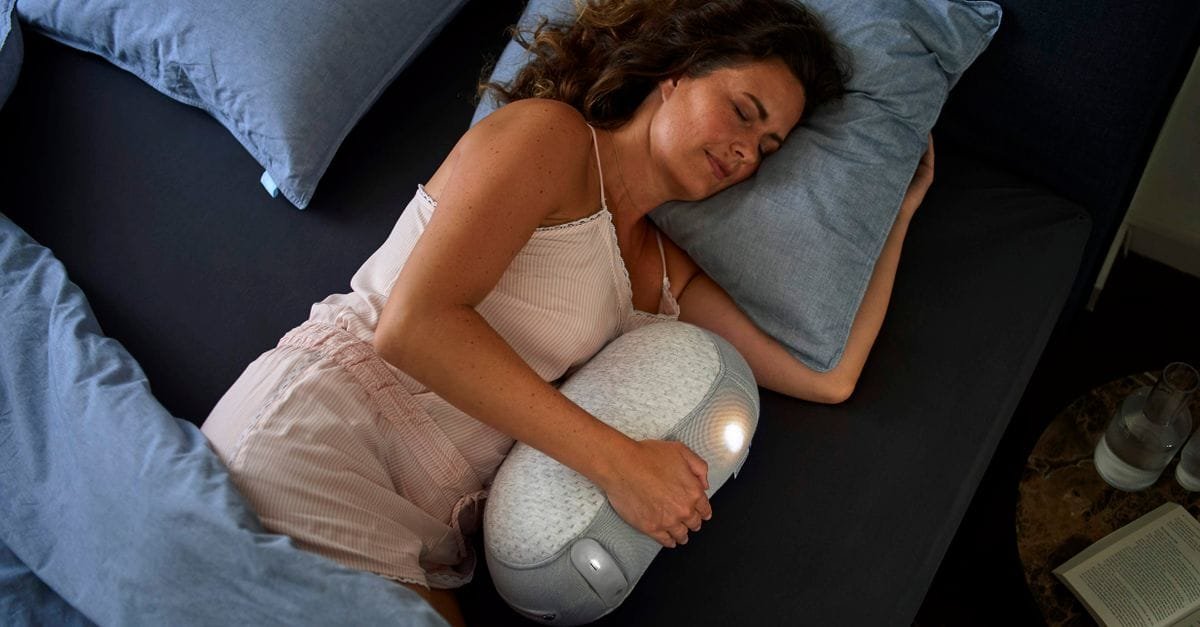
Tools work best inside a routine. About an hour before bed, dim the lights and put screens away (blue light delays sleep). Have your calming tea, spritz lavender on your pillow, and do something quiet — reading, gentle stretching, or journaling. Keep the room cool and dark, slip on your sleep mask, and switch on your white-noise machine. Go to bed and wake at consistent times, even on weekends. Within a couple of weeks, your body learns the cues and sleep comes far more easily.
Mistakes that wreck your sleep
- Screens in bed — blue light suppresses melatonin; stop scrolling 30–60 minutes before sleep.
- An inconsistent schedule — irregular bed/wake times confuse your body clock.
- Caffeine too late — it lingers for hours; cut it off by early afternoon.
- A too-warm room — cool is better for deep sleep.
- Relying on supplements over habits — environment and routine matter most.
What are natural sleep aids?
Natural sleep aids are gentle, non-prescription helpers for rest, including calming herbal teas, magnesium, a warm bath, aromatherapy with lavender, and sleep-friendly routines. They support relaxation rather than forcing sleep.
Many people prefer starting with these gentle options, which carry fewer side effects. Combined with good sleep habits, natural aids can make a real difference to how easily you drift off.
Are melatonin and sleep supplements safe?
Melatonin and similar supplements are widely used and generally considered safe for short-term use by many adults, but they are not right for everyone and can interact with medications or conditions.
Because supplements affect your body, it is wise to check with a doctor or pharmacist before starting one, especially if you take other medicines, are pregnant, or have a health condition. Use them as directed and start low.
How do you choose the right sleep aid?
Start by considering what disrupts your sleep — a racing mind, physical discomfort, or an irregular schedule — and choose aids that target it. Calming teas and aromatherapy suit a busy mind, while comfort items help physical restlessness.
Begin with the gentlest options and build a routine around them. The best sleep aid is often a combination of small supportive habits rather than a single product.
What lifestyle habits improve sleep?
Good sleep starts long before bedtime. A consistent sleep schedule, limiting caffeine and screens in the evening, getting daylight and movement during the day, and a calming wind-down all improve rest naturally.
These habits often help more than any product. Our guide to sleeping better naturally covers the full picture of sleep-friendly habits.
Do weighted blankets help with sleep?
Many people find weighted blankets comforting, as the gentle, even pressure can feel soothing and calming, a bit like a reassuring hug. This may help some people relax and settle at bedtime.
Choose a weight that feels comfortable, not overwhelming, and check suitability for children or anyone with certain conditions. For many, a weighted blanket is a simple, cozy addition to a restful bedroom.
When should you see a doctor about sleep?
Occasional poor sleep is normal, but persistent insomnia, loud snoring with pauses in breathing, or constant daytime exhaustion deserve professional attention. These can signal an underlying issue worth addressing.
Sleep aids support everyday rest but are not a cure for sleep disorders. If sleep problems continue despite good habits, please talk to a doctor, who can help identify and treat the cause.
Frequently asked questions
What is the best natural sleep aid?
A combination beats any single product: a dark, cool, quiet room (sleep mask, blackout curtains, white noise), a calming routine, and a consistent schedule. These drug-free basics help most people most.
Do sleep masks really work?
Yes — blocking light helps your body produce melatonin and stay asleep, especially if your room isn’t fully dark or you wake with the sunrise.
Is white noise good for sleep?
For many people, yes — a steady sound masks disruptive noises so they don’t wake you. Experiment with white, pink, or brown noise to find your favorite.
Are weighted blankets good for sleep?
Many find the gentle pressure calming and fall asleep faster. Choose around 10% of your body weight and a cooling cover if you run warm.
Does magnesium help you sleep?
Some people find it supports relaxation and sleep quality. Use a gentle glycinate form and check with your doctor first, especially if you take other medication.
How can I fall asleep faster naturally?
Dim lights and avoid screens an hour before bed, keep the room cool and dark, follow a calming routine (tea, lavender, reading), and go to bed at the same time nightly.
What should I do if I wake up at night?
Stay calm, keep lights low, and avoid your phone. If you can’t resleep within ~20 minutes, get up and do something quiet in dim light until you feel sleepy again.
When should I see a doctor about sleep?
If poor sleep persists for weeks, you snore heavily or gasp at night, or daytime tiredness affects your life, see a doctor — these tools help comfort, not diagnose sleep disorders.
Choosing sleep aids by your specific problem
The fastest way to better sleep is to target your actual issue. Can’t block out light? Start with a contoured sleep mask and blackout curtains. Noise keeps waking you? A white-noise machine and comfortable earplugs are your answer. Mind racing at bedtime? A wind-down ritual with lavender, calming tea, and a weighted blanket helps your body downshift. Overheating? A cooling pillow and breathable bedding make a huge difference. Jarring mornings? A sunrise alarm changes how you wake. Match the tool to the problem rather than buying everything, and you’ll see results faster and cheaper.
Natural sleep environment vs sleep supplements
It’s tempting to reach straight for a pill, but the evidence and most sleep experts agree: fixing your environment and routine should come first. A dark, cool, quiet room and a consistent schedule do more for most people than any supplement. Sleep aids like magnesium or melatonin can play a supporting role for some, but they work best alongside good habits, not instead of them — and you should always check with your doctor before starting a supplement, especially if you take medication or have a health condition.
Is it bad to rely on sleep aids every night?
Environmental aids like masks, white noise, and blackout curtains are perfectly fine to use nightly — they simply create good sleep conditions. Supplements are different; use those thoughtfully and with medical guidance rather than as a nightly crutch.
How long does it take to fix bad sleep?
With consistent habits and the right environment, many people notice improvement within one to two weeks. Your body clock needs time to adjust, so stick with a regular schedule even on weekends.
Bottom line
Better sleep rarely comes from one product — it comes from a better environment and routine. Start with the basics that block light and noise (a sleep mask and a white-noise machine), keep your room cool and dark, and build a calming wind-down ritual. Add a weighted blanket, lavender, or a sunrise alarm to suit your needs. Be consistent, and within a couple of weeks you’ll wonder how you ever slept without them. 😴🌿
— The Self-Care Edit team 🌿

I'm Khan Laila, the founder and editor of The Self-Care Edit. I'm a dedicated self-care enthusiast and researcher (not a medical professional) on a mission to make relaxation, better sleep, and everyday wellbeing simpler and more accessible. I write and curate every guide here with genuine care, honest product picks, and a firm belief that self-care should be realistic and guilt-free.