
Disclosure: As an Amazon Associate, The Self-Care Edit earns from qualifying purchases. This comes at no extra cost to you, and we only recommend products we genuinely believe can help.
Also Read



Affiliate disclosure: The Self-Care Edit is reader-supported. If you buy through our links we may earn a small commission, at no cost to you. We only recommend products we’d use ourselves.
I used to think “stress relief” meant a bubble bath and good intentions. Then a brutal work stretch — the kind where your jaw aches and you realise you’ve been holding your breath — sent me hunting for things that actually move the needle in the moment. Some were gimmicks I regret buying. A handful genuinely changed my evenings. After a lot of testing (and a cluttered drawer of fails), these are the stress relief tools I’d buy again without hesitation.
A quick promise: none of these replace rest, movement, sunlight, or talking to someone when you need to. But as small, reach-for-them-in-the-moment helpers, they genuinely earn their place. I’ve grouped them so you can pick what fits your kind of stress — physical tension, a racing mind, or that wired-but-tired evening feeling.
How to choose stress relief tools that actually work
Here’s the simple framework I use. Match the tool to where your stress lives: if it’s in your body (tight shoulders, clenched jaw) reach for pressure and massage tools; if it’s in your mind (racing thoughts) reach for tactile, grounding tools and journaling; if it’s about winding down at night, lean on warmth, weight, and scent. The best tool is the one you’ll actually use — so keep it visible and tie it to a moment you already have.
The best stress relief tools (tested)
1. Acupressure mat — the surprise winner
You lie back on a mat covered in hundreds of little plastic spikes. It sounds medieval, and the first 30 seconds are prickly — then your body floods with warmth and your shoulders simply let go. Ten minutes after dinner melts the whole day off me. It’s cheap, lasts for years, and it’s the tool I recommend first to almost everyone.
- ✅ Inexpensive and basically indestructible
- ✅ Brilliant for back, neck & shoulder tension
- ✅ No batteries, no app, no fuss
- ❌ The first minute is prickly — push through it
2. Weighted blanket — a hug in object form
The deep, even pressure (“deep pressure stimulation”) is genuinely calming for restless, anxious evenings — like being gently held. Choose roughly 10% of your body weight. If you sleep hot, get a cooling cover. Full details in our weighted blanket guide.
- ✅ Deeply calming, great for sleep
- ✅ Cooling versions for warm sleepers
- ❌ Pick the right weight or it feels wrong
3. Aromatherapy diffuser — an instant calm-down cue
A few drops of lavender and the whole room (and my brain) changes gears. It’s the easiest ritual to add and the one I never skip. Over time your brain links the scent to “safe to relax now.” See our aromatherapy guide for the best picks.
- ✅ Builds a powerful wind-down habit
- ✅ Doubles as a humidifier
- ❌ Rinse weekly to avoid buildup
4. Percussion massage gun — for shoulder-carriers
If you hold stress in your neck and shoulders (most of us do), two minutes with a massage gun is genuinely blissful. They’ve become affordable and they’re wonderful after a long desk day or workout.
- ✅ Fast physical tension release
- ✅ Great post-work or post-workout
- ❌ Don’t overdo it on sensitive areas
5. Sunset / mood lamp — soften the evening
Warm amber light tells your body the day is ending far better than harsh white overheads. I switch mine on an hour before bed and the whole flat feels calmer. Bonus: the projector versions are mesmerising.
- ✅ Cues your body for sleep
- ✅ Cosy, mood-setting glow
- ❌ More ambiance than “treatment”
6. Desk fidget tools — for nervous hands
A good fidget cube, spinner ring, or putty gives restless hands somewhere to go during stressful calls or commutes. Small, cheap, and quietly grounding — nobody even notices.
- ✅ Discreet, instant focus for the hands
- ✅ Very affordable
- ❌ Helps the body, not the to-do list
7. A guided journal — empty the mental clutter
Five minutes writing down what’s spinning in your head genuinely quiets it — and a guided journal removes the “what do I even write” barrier with prompts. My favourite end-of-day reset. Browse our journals.
- ✅ Clears a racing mind
- ✅ Builds a calming nightly habit
- ❌ Needs a few minutes of consistency
8. Herbal calming tea — the cosy ritual
Sometimes the simplest tool wins: a warm, caffeine-free cup 45 minutes before bed. It’s as much about the pause as the herbs. See our calming teas guide.
- ✅ Soothing, screen-free ritual
- ✅ Inexpensive
- ❌ Skip caffeine in the evening
How to actually build the habit
Owning the tools isn’t enough — the magic is the ritual. Pick just one or two, attach them to something you already do (after dinner, before bed, during your 3pm slump), and keep them in plain sight. A weighted blanket folded on the sofa, a diffuser on the nightstand, a fidget ring on your desk. Out of sight = forgotten; visible = used.
Why Physical Stress-Relief Tools Help
When stress hits, advice to “just relax” rarely works — which is where physical tools come in. A tactile object gives your restless hands and busy mind something concrete to focus on, interrupting the spiral of anxious thoughts. Many stress-relief gadgets work through the senses: touch, gentle pressure, repetitive motion, or soothing sensation. This sensory engagement can be genuinely grounding, pulling your attention out of your head and into the present moment. They won’t solve the root cause of stress, but as in-the-moment tools, they offer a simple, accessible way to discharge nervous energy and feel a little calmer.
Fidget and Tactile Tools
Fidget tools are small, satisfying objects that keep your hands busy and your mind anchored. Think fidget cubes, spinners, textured rings, putty, or smooth worry stones. The repetitive motion and tactile feedback can be soothing during stressful moments, meetings, or while concentrating. They’re discreet, portable, and easy to keep in a pocket or bag for whenever you need them. Many people find that a small fidget object helps channel nervous energy that would otherwise come out as restlessness. Inexpensive and unobtrusive, they’re an easy first step into hands-on stress relief.
Tools for Tension and Muscle Relief
Stress lives in the body as much as the mind, often showing up as tight shoulders, a clenched jaw, or a stiff neck. Tools that release physical tension can help you relax overall. Massage balls, foam rollers, handheld or electric massagers, and massage guns work knots and tension out of tired muscles. Acupressure mats are popular for full-body relaxation. Even a warm neck wrap can ease built-up tightness. By soothing the physical symptoms of stress, these tools often help calm the mind too — relaxing your body sends a powerful signal that it’s safe to unwind.
Breathing and Mindfulness Gadgets
Some of the most effective stress tools simply guide you back to your breath. Breathing-pacer devices and apps gently lead you through slow, calming breaths, which directly soothe your nervous system. Simple tactile breathing tools you trace with a finger help slow your exhale. Meditation apps and calming-sound machines create a peaceful atmosphere for winding down. These tools take proven relaxation techniques and make them easier to actually do in the moment, especially when stress makes it hard to focus. They’re a gentle bridge between knowing you should slow down and actually doing it.
Stress Relief at Your Desk
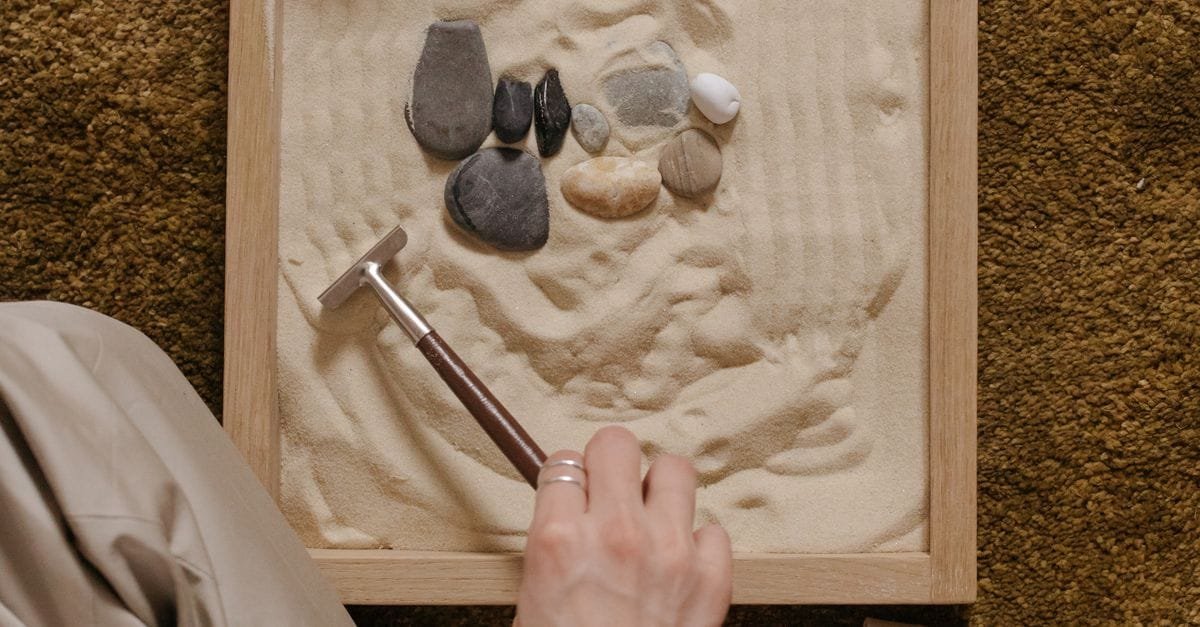
Work is a major source of daily stress, so having calming tools within reach of your desk is smart. A small fidget object, a stress ball, a desktop zen garden, or a hand massager can offer quick resets between tasks. A diffuser with a calming scent or a tabletop fountain can make your workspace feel more soothing. Even a quality pair of noise-cancelling headphones helps you carve out calm in a busy environment. Keeping a couple of these tools handy means you can take a brief, grounding pause without leaving your seat — a small but real buffer against workday stress.
Pair Tools With Healthy Habits
Stress-relief gadgets work best as part of a bigger picture, not a magic fix. Use them alongside the fundamentals: regular movement, decent sleep, time outdoors, connection with people you love, and slowing down where you can. A fidget tool or massager is a helpful in-the-moment aid, but lasting calm comes from the habits you build around it. Think of these tools as supports that make relaxation easier and more accessible, not replacements for caring for yourself more broadly. Combined with healthy routines, they become a genuinely useful part of managing everyday stress.
What are the best stress-relief tools?
The best stress-relief tools span the senses and situations: aromatherapy and calming scents, fidget and sensory items, weighted blankets, journals, calming teas, and apps for breathing and meditation.
Different tools suit different people and moments, so a small, varied toolkit works well. Having a few favorites ready means you always have a way to soothe yourself when stress rises.
How do sensory and fidget tools help?
Sensory and fidget tools give nervous energy a physical outlet and help redirect a busy mind to the present. Something to squeeze, spin, or touch can be surprisingly grounding during tense moments.
They are discreet and portable, handy at work, while traveling, or anywhere stress strikes. For many people, simply having something to occupy their hands genuinely eases restlessness and anxiety.
Can aromatherapy tools relieve stress?
Yes, scent is a fast route to calm. Diffusers, roll-on blends, and calming essential oils like lavender can quickly help ease tension, since smell is closely linked to the brain’s emotional centers.
These tools are easy to use at home or on the go. A quick, calming scent can reset a stressful moment, and it pairs beautifully with deep breathing for an even greater effect.
What tech tools help with stress?
Apps for guided breathing, meditation, mood tracking, and sleep can all support stress relief, putting helpful practices right in your pocket. Some wearables also track stress and prompt calming breaks.
Used mindfully, these tools make supportive habits easy and consistent. Just be careful that screen time itself does not add stress, and balance app use with offline calm.
How do comfort items ease stress?
Comfort items like weighted blankets, cozy textures, warm drinks, and soothing sounds create a sense of safety and calm. This physical comfort helps signal to your body that it is time to relax.
Never underestimate simple coziness. Wrapping up warm with a calming tea after a hard day is a genuine, accessible form of stress relief that soothes both body and mind.
How do you build a stress-relief toolkit?
Choose a few tools that target how your stress shows up, mixing something for quick calm, something comforting, and something for daily practice. Keep them somewhere accessible so you actually use them.
Your toolkit should reflect what genuinely soothes you. Building a small, personal collection of favorites means you are always prepared to care for yourself when stress arrives.
When do you need more than stress-relief tools?
These tools are wonderful for everyday stress, but they have limits. If stress feels constant, overwhelming, or interferes with your daily life, sleep, or health, that deserves professional attention.
Please reach out to a doctor or mental-health professional if stress becomes too much. Tools support everyday wellbeing, but they are not a substitute for proper care when you need it.
Frequently asked questions
What is the best tool for instant stress relief?
For the body, an acupressure mat or a couple of minutes with a massage gun give the fastest release. For a racing mind, slow breathing with a calming scent (lavender) works within minutes.
Do stress relief gadgets really work?
The good ones create a genuine physical relaxation response — pressure, massage, warmth, scent. A big part of the benefit is also the ritual of deliberately pausing.
What’s a good budget stress relief tool?
An acupressure mat or a fidget set, both usually under $25, give the best value for money.
How often should I use them?
Daily, in small doses, beats occasional marathons. Ten minutes on an acupressure mat or a cup of tea each evening compounds over time.
Bottom line
Don’t buy everything — pick one or two tools that match where your stress actually lives. An acupressure mat for tension, a weighted blanket for sleep, lavender for the ritual. Make them visible, make them a habit, and let the small daily calm add up. 🌿
— The Self-Care Edit team 🌿
Shop Stress Relief Tools on Amazon →
How do you know which stress-relief tool is right for you?
The best tool depends on how your stress shows up and what soothes you personally. If your mind races, breathing apps or journaling may help most; if you feel physically tense, comfort items or aromatherapy might suit you better.
The only real way to know is to experiment. Try a few different tools, notice which genuinely calm you, and build your personal toolkit around those favorites, so you always have something effective within reach.

I'm Khan Laila, the founder and editor of The Self-Care Edit. I'm a dedicated self-care enthusiast and researcher (not a medical professional) on a mission to make relaxation, better sleep, and everyday wellbeing simpler and more accessible. I write and curate every guide here with genuine care, honest product picks, and a firm belief that self-care should be realistic and guilt-free.