Also Read



Stress is part of modern life — but you do not have to just live with it. Gentle, natural remedies can genuinely help calm your body and mind, often with no cost and no side effects.
From herbal teas and aromatherapy to movement, breathing, and better sleep, this guide walks through the natural stress-relief methods that actually work — and how to build them into a routine you will keep.
What are the best natural remedies for stress relief?
The most effective natural remedies for stress are herbal teas, aromatherapy, regular movement, deep breathing, time in nature, journaling, and good sleep — often combined into a simple daily routine.
No single remedy is a magic cure. The real power comes from stacking a few small, calming habits that gently lower your stress over time.

Key takeaways
- Natural remedies work best in combination, not one at a time.
- Herbal teas, aromatherapy, and breathing calm you in minutes.
- Movement, sleep, and nature lower stress over the long term.
- Consistency matters more than any single product or trick.
- See a professional if stress feels constant or overwhelming.
Why choose natural remedies for stress?
Natural approaches are gentle, accessible, and easy to weave into everyday life.
Most cost little or nothing, carry few side effects, and support your overall wellbeing rather than just masking symptoms. They put you back in control of how you feel.
They are not a replacement for professional care when you need it, but for everyday stress, they are a wonderful place to start.
How do natural stress remedies actually work?
Most work by calming your nervous system.
Stress activates your body’s “fight or flight” response. Natural remedies like slow breathing, warm tea, soothing scents, and gentle movement help switch on the opposite “rest and digest” state, easing tension in body and mind.
If you want to understand this shift more deeply, our guide on how to calm your nervous system explains exactly what is happening and how to trigger calm on purpose.
1. Soothing herbal teas
A warm cup of herbal tea is one of the simplest stress relievers there is.
Chamomile, lemon balm, peppermint, and passionflower teas have long been used to promote calm and ease tension. The ritual itself — pausing to sip something warm — is part of the benefit.
For blends chosen specifically for calm, see our roundup of the best calming teas for stress and sleep.
🍵 Shop calming teas on Amazon →

2. Aromatherapy and essential oils
Scent has a direct, fast line to the parts of the brain that handle emotion.
Lavender, bergamot, and frankincense are especially popular for relaxation. You can use a diffuser, add a few drops to a bath, or simply inhale from the bottle when tension rises.
New to it? Start with our beginner’s guide to aromatherapy, and browse trusted options below.
🌿 Shop essential oils on Amazon →
3. Adaptogenic herbs like ashwagandha
Adaptogens are herbs traditionally used to help the body cope with stress.
Ashwagandha is the best known, and many people take it to support a calmer baseline. Rhodiola and holy basil are other popular options found in teas, capsules, and powders.
Because supplements can interact with medications, it is wise to check with a healthcare professional before starting one.
🌱 Shop adaptogen supplements →
4. Magnesium for relaxation
Magnesium plays a role in relaxation and healthy sleep, and many people do not get enough.
Magnesium glycinate is a gentle, well-absorbed form often chosen for calm and rest. You can also absorb it through a warm bath with magnesium-rich Epsom salts — doubly relaxing.
As with any supplement, a quick word with your doctor helps you use it safely and effectively.
5. Movement and gentle exercise
Moving your body is one of the most reliable natural stress relievers we have.
Exercise burns off stress hormones and releases mood-lifting endorphins. It does not have to be intense — a brisk walk, a gentle yoga flow, or a stretch break all count.
The video below shows a simple, fast way to release tension, no gym required.
6. Deep breathing and meditation
Your breath is a free, always-available off switch for stress.
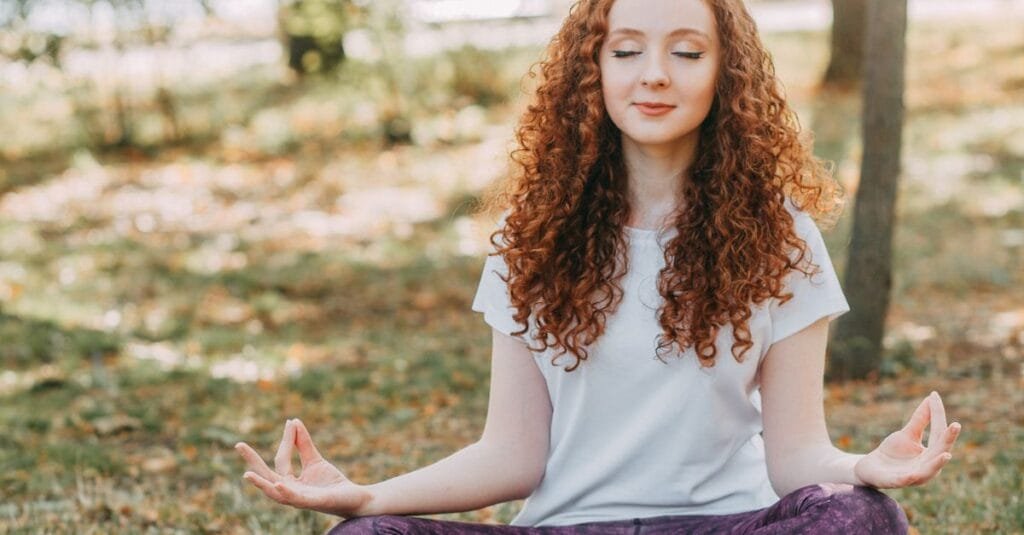
Slow, deep breathing tells your nervous system you are safe, lowering your heart rate and easing tension within minutes. Pair it with a few minutes of meditation for an even bigger effect.
Try our simple breathing exercises to calm anxiety fast the next time you feel overwhelmed.
7. Herbal supplements like valerian and passionflower
Certain herbs are traditionally used to ease tension and support sleep.
Valerian root and passionflower are two of the most common, often taken as teas, tinctures, or capsules in the evening to unwind.
These can be helpful, but they can also interact with medications or cause drowsiness, so check with a professional before adding them.
🌼 Shop calming herbal supplements →
8. Time in nature and sunlight
Nature is a genuine, research-backed stress reliever.
Sunlight supports a healthy mood, and simply being among trees and greenery lowers tension — a practice sometimes called forest bathing. Even a few minutes outside helps.
Learn how to make the most of it in our guide to forest bathing for stress relief.
9. Journaling to release stress
Getting worries out of your head and onto paper is surprisingly powerful.
Journaling helps you process emotions, spot stress triggers, and shift toward gratitude. A few minutes before bed can quiet a racing mind.
Our guide to journaling for stress relief includes simple prompts to get you started tonight.
10. Better sleep
Stress and sleep are deeply connected — and improving one improves the other.
Poor sleep makes everything feel more stressful, while good sleep builds resilience. Calming teas, magnesium, a cool dark room, and a wind-down routine all help.
See our guide to sleeping better naturally for a full plan.
How to build a natural stress-relief routine
Start small and stack habits gradually.
Pick one calming remedy for the morning (like sunlight or movement) and one for the evening (like tea, journaling, or breathing). Once those feel automatic, add another.
The goal is a handful of gentle rituals that add up to a calmer, more resilient you — not a long, stressful to-do list.

What natural remedies should you avoid relying on?
Be cautious with anything that promises a total cure.
Natural does not always mean harmless — supplements can interact with medication, and some essential oils are not safe to ingest or use undiluted. Always follow directions and do a little research.
Treat natural remedies as helpful support for everyday stress, not a substitute for medical care when you truly need it.
When should you see a professional?
Natural remedies are wonderful for everyday stress, but they have limits.
If stress feels constant, interferes with daily life, or comes with symptoms like panic, hopelessness, or trouble functioning, please reach out to a doctor or mental-health professional. Asking for help is a strength, not a weakness.
These remedies work beautifully alongside professional care — they are a complement, never a replacement.
Frequently Asked Questions
What is the fastest natural remedy for stress?
Deep breathing is the fastest — a few slow, deep breaths can calm your nervous system within a minute or two. Inhaling a calming scent like lavender or stepping outside for fresh air and sunlight also work quickly. For longer-lasting relief, combine these with movement, tea, and good sleep.
Do herbal teas really reduce stress?
Yes, in two ways. Herbs like chamomile, lemon balm, and passionflower are traditionally used to promote calm, and the ritual of pausing to sip a warm drink is itself relaxing. Tea is not a cure for serious stress, but it is a gentle, enjoyable way to build calm into your day.
Are natural stress supplements safe?
Many are generally well tolerated, but “natural” does not mean risk-free. Supplements like ashwagandha, magnesium, and valerian can interact with medications or cause side effects. Always follow the label, start with a low dose, and check with a healthcare professional first, especially if you take other medicines or are pregnant.
Can natural remedies replace medication or therapy?
No. Natural remedies are excellent for managing everyday stress, but they are not a substitute for professional treatment. If you are struggling, use them alongside — not instead of — care from a doctor or therapist. Never stop prescribed medication without medical guidance.
How long do natural stress remedies take to work?
It varies. Breathing, scent, and movement can bring relief within minutes. Habits like better sleep, regular exercise, journaling, and adaptogens work gradually, often over days or weeks. Consistency is what makes the biggest difference, so give any routine a fair chance before judging it.
Does chamomile really help with stress?
Chamomile is one of the most trusted calming herbs, and for good reason. It has been used for centuries to ease tension and support restful sleep, and many people find a warm cup genuinely soothing at the end of a hard day.
Part of the benefit is the compound content of the herb, and part is the simple ritual of slowing down to sip something warm. Both matter, and together they make chamomile an easy, gentle first step into natural stress relief.
What is the best essential oil for anxiety?
Lavender is the most popular essential oil for anxiety, widely loved for its calming, floral scent. Bergamot, frankincense, and chamomile oils are also common choices when you want to unwind.
You can inhale the scent directly, add a few drops to a diffuser, or dilute it in a carrier oil for the skin. Never swallow essential oils, and always dilute before applying them — a little goes a long way.
How does exercise reduce stress hormones?
Movement is one of the most effective stress relievers because it works on your body chemistry directly. Physical activity helps burn off excess stress hormones like cortisol and releases endorphins, the body’s natural mood lifters.
You do not need an intense workout to feel it. A brisk ten-minute walk, a gentle yoga session, or a few stretches can shift your mood noticeably, which is why movement belongs in any natural stress-relief routine.
Can what you eat affect your stress levels?
Yes, more than most people realize. A balanced diet with plenty of whole foods supports steady energy and mood, while too much caffeine and sugar can leave you jittery and prone to crashes that feel a lot like stress.
Staying hydrated and eating regular, nourishing meals gives your body the stable foundation it needs to handle pressure. You do not need a perfect diet — small, consistent choices make a real difference over time.
How does gratitude reduce stress?
Gratitude gently shifts your focus away from what is wrong and toward what is good. Regularly noting a few things you appreciate can lift your mood, improve your outlook, and make daily stresses feel more manageable.
It costs nothing and takes only a minute. Many people keep a small gratitude list in a journal or on their phone, adding to it each evening as a calming way to close the day on a positive note.
Are there natural remedies for stress at work?
Absolutely, and small ones fit easily into a workday. Keep a calming tea at your desk, take short breaks to breathe or stretch, step outside for fresh air, and add a plant or a soothing scent to your space.
Even a two-minute breathing break between tasks can reset a tense afternoon. The key is building tiny calming pauses into your day rather than waiting until stress has already piled up.
How do you stay consistent with natural remedies?
Consistency comes from keeping things small and attaching them to habits you already have. Link a calming remedy to something automatic — tea with breakfast, a walk after lunch, journaling before bed — so it becomes part of your routine.
Start with just one or two habits rather than overhauling your whole life at once. Once they feel natural, add another. Gentle, sustainable steps beat an ambitious plan you abandon in a week.
What is a simple daily natural stress-relief plan?
A realistic plan might look like this: a few minutes of sunlight or movement in the morning, a calming tea and a breathing break during the day, and journaling or aromatherapy in the evening to wind down.
None of it is complicated or expensive, and the whole plan takes only minutes across the day. Stacked together and repeated, these small calming habits build real, lasting resilience against stress.
Is aromatherapy and herbal remedy use safe for everyone?
Most gentle natural remedies are safe for healthy adults, but there are important exceptions worth knowing. If you are pregnant or breastfeeding, take regular medication, or have a health condition, some herbs, supplements, and essential oils may not be suitable for you.
Essential oils in particular should be diluted and never swallowed, and some are not safe around pets or young children. When in doubt, a quick conversation with a doctor or pharmacist keeps your natural stress relief both effective and safe.
Final thoughts
You do not need expensive treatments to feel calmer — some of the most effective stress relievers are natural, simple, and already within reach. Herbal teas, aromatherapy, movement, breathing, nature, journaling, and good sleep each help, and together they are powerful.
Pick one or two to try this week, be patient, and build from there. For a complete framework, start with our complete guide to building a self-care routine for better sleep and less stress.

I'm Khan Laila, the founder and editor of The Self-Care Edit. I'm a dedicated self-care enthusiast and researcher (not a medical professional) on a mission to make relaxation, better sleep, and everyday wellbeing simpler and more accessible. I write and curate every guide here with genuine care, honest product picks, and a firm belief that self-care should be realistic and guilt-free.